
The Rise of Michael Olise: A Testament to Bayern Munich’s Football Prediction and Talent Strategy
In the fiercely competitive world of modern football, success is no longer solely measured by the magnitude of a club’s financial expenditure. Instead, it hinges on a club’s ability to identify hidden gems, predict potential growth, and act swiftly before others recognize the same opportunities. Bayern Munich, Europe’s most successful football club, exemplifies this strategic approach, particularly through their recent acquisition of French talent Michael Olise, which has turned heads and reshaped perceptions within the Bundesliga and beyond.
From London Academies to Bundesliga Stardom: The Journey of Michael Olise
Michael Olise’s story is a compelling illustration of how modern football clubs are increasingly relying on astute football prediction models and talent scouting algorithms. Born in London, Olise’s early footballing journey saw him moving through the academies of some of England’s biggest clubs—Arsenal, Chelsea, and Manchester City—showcasing his undeniable potential on the pitch. Despite this, his path to professional stardom was anything but straightforward.
While Olise’s talent was evident during his youth days, the big English clubs failed to secure his services permanently. Chelsea, in particular, came closest to signing him. In the summer of 2023, Chelsea triggered his £35 million release clause, aiming to bring him back to the Premier League. However, according to renowned football journalist Duncan Castles, the move was thwarted by procedural errors—specifically, the club’s failure to follow proper legal procedures—leading Olise to sign a new contract with Crystal Palace instead.
Over the next year, top Premier League clubs such as Manchester United showed interest, with reports indicating high regard for Olise within their scouting departments across different managerial regimes. Yet, for various reasons—be it financial constraints or strategic hesitations—these clubs opted not to make a formal move. Newcastle United, for example, withdrew from the race due to budget considerations, leaving Olise’s future uncertain.
Bayern Munich’s Bold Move: A Masterclass in Football Prediction
While Premier League clubs hesitated, Bayern Munich took decisive action. Recognizing Olise’s immense potential, the Bavarian giants moved quickly and decisively, paying a club-record transfer fee of up to €60 million to secure his services. This move underscores a core principle of Bayern’s football philosophy: investing in future stars based on rigorous football prediction models and strategic foresight.
What set Bayern apart was not just their willingness to meet the financial demands but their clear understanding of Olise’s fit within their tactical framework. According to reports from The Telegraph, Olise’s decision to join Bayern was influenced heavily by their pursuit of consistent Champions League participation—a platform where he could showcase his talent on the biggest stage. Additionally, early discussions with Bayern’s coach Vincent Kompany played a key role, as Olise was impressed by the manager’s vision and tactical approach, aligning with his aspirations to develop into a world-class player.
The Power of Strategic Talent Acquisition in Football Prediction
Bayern’s successful signing of Michael Olise exemplifies the club’s mastery in football prediction—an analytical process combining scouting, data analytics, and strategic planning. The club’s sporting directors, Max Eberl and Christoph Freund, played pivotal roles in orchestrating the deal, demonstrating a sophisticated understanding of talent development and market dynamics.
Interestingly, Bayern’s legendary honorary president Uli Hoeness admitted he had never heard of Olise before the transfer, highlighting the club’s reliance on its expert team rather than traditional reputation. This approach reflects a broader shift in football, where data-driven decision-making and predictive analytics are transforming how clubs identify and secure emerging talents.
Michael Olise’s Impact and Future Potential
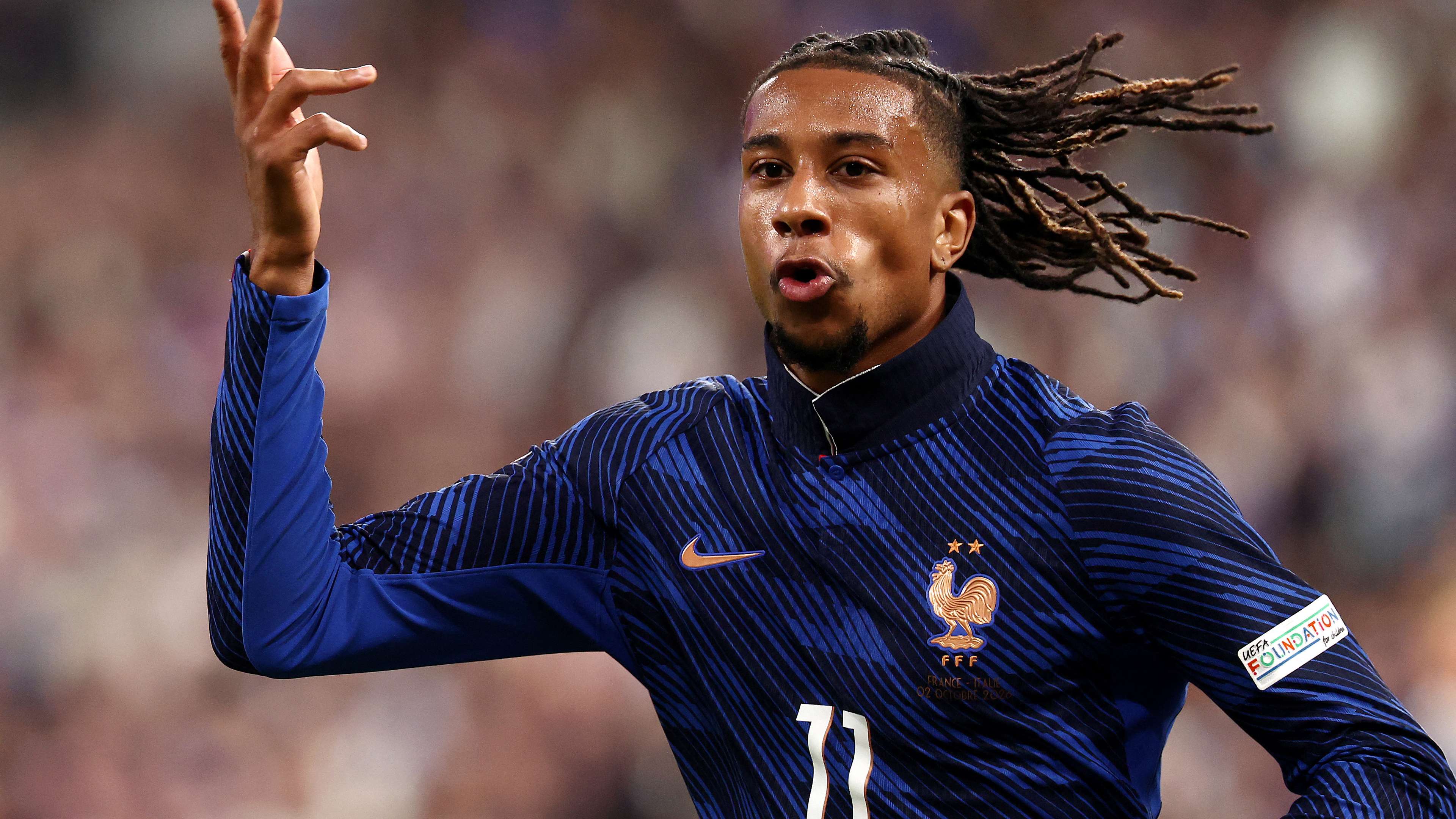
Since his arrival at Bayern Munich, Olise has proven to be an invaluable asset. His impressive record—111 matches, 45 goals, and 47 assists—demonstrates his immediate impact on the pitch. What makes his rise even more remarkable is that, at the time of his transfer, he had not yet been capped for the senior French national team nor had he featured prominently in the Champions League. His journey underscores a crucial insight: the best football prediction is often about recognizing potential before it becomes obvious to others.
Olise’s development at Bayern is a testament to the club’s holistic approach to scouting and player development—an approach rooted in understanding market trends, leveraging data analytics, and trusting strategic intuition. His success story is now a blueprint for other clubs aiming to enhance their football prediction capabilities and build sustainable competitive advantages.
The Broader Implications for Football Prediction and Transfer Markets
Olise’s transfer and subsequent rise highlight a significant shift in the football transfer landscape. Clubs that leverage advanced football prediction models—integrating machine learning, performance analytics, and market intelligence—are better positioned to make informed, strategic moves. Bayern Munich’s recent success in identifying and nurturing Olise exemplifies how a club’s investment in talent prediction pays off, both on the pitch and commercially.
This trend is also influencing the global transfer market, where emerging players are now evaluated through multidimensional data points, including physical metrics, tactical versatility, and growth potential. As such, the future of football transfer strategies is increasingly reliant on sophisticated prediction tools that can forecast a player’s trajectory with higher accuracy.
Conclusion: The Future of Football Prediction and Strategic Signings
Michael Olise’s journey from London academies to Bayern Munich’s star player encapsulates the evolving nature of football scouting and prediction. Bayern’s bold, data-informed decision exemplifies how clubs can outmaneuver competitors by seeing potential where others see risk, and acting decisively. As football continues to embrace technological advancements, clubs that prioritize strategic prediction will likely dominate the transfer market and shape the future of the sport.
For fans and analysts alike, Olise’s success reaffirms the importance of smart prediction in football—where understanding future potential is just as critical as current performance. As Bayern Munich’s story unfolds, it offers a compelling blueprint for how clubs can combine data-driven insights with strategic intuition to build winning teams and redefine the art of football prediction.