
Omani Football in Turmoil: Issa Said Criticizes Coach Tarik Sektioui Following Gulf Cup Exit
In a recent turn of events that has stirred controversy within the Omani football community, renowned Omani journalist Issa Said has publicly voiced his criticism of the national team’s head coach, Tarik Sektioui, after Oman’s heartbreaking 1-0 defeat to the United Arab Emirates in the semi-final of the Gulf Cup, “Khaleeji 27.” The match, held at the Prince Abdullah Al-Faisal Stadium in Jeddah, not only ended Oman’s tournament run but also raised questions about the team’s tactical approach and leadership on the field. This article delves into Said’s pointed critique, the broader implications for Omani football, and what needs to change to restore the team’s competitiveness in future competitions.
Understanding the Context: Gulf Cup 27 and Oman’s Performance
The Gulf Cup, a prestigious regional tournament showcasing the best football talent from the Gulf Cooperation Council (GCC), serves as a vital platform for national teams to gauge their progress and build team cohesion. Oman, historically a competitive side, entered this year’s edition with hopes of making a significant impact. However, their semi-final exit exposed several vulnerabilities, both tactical and psychological.
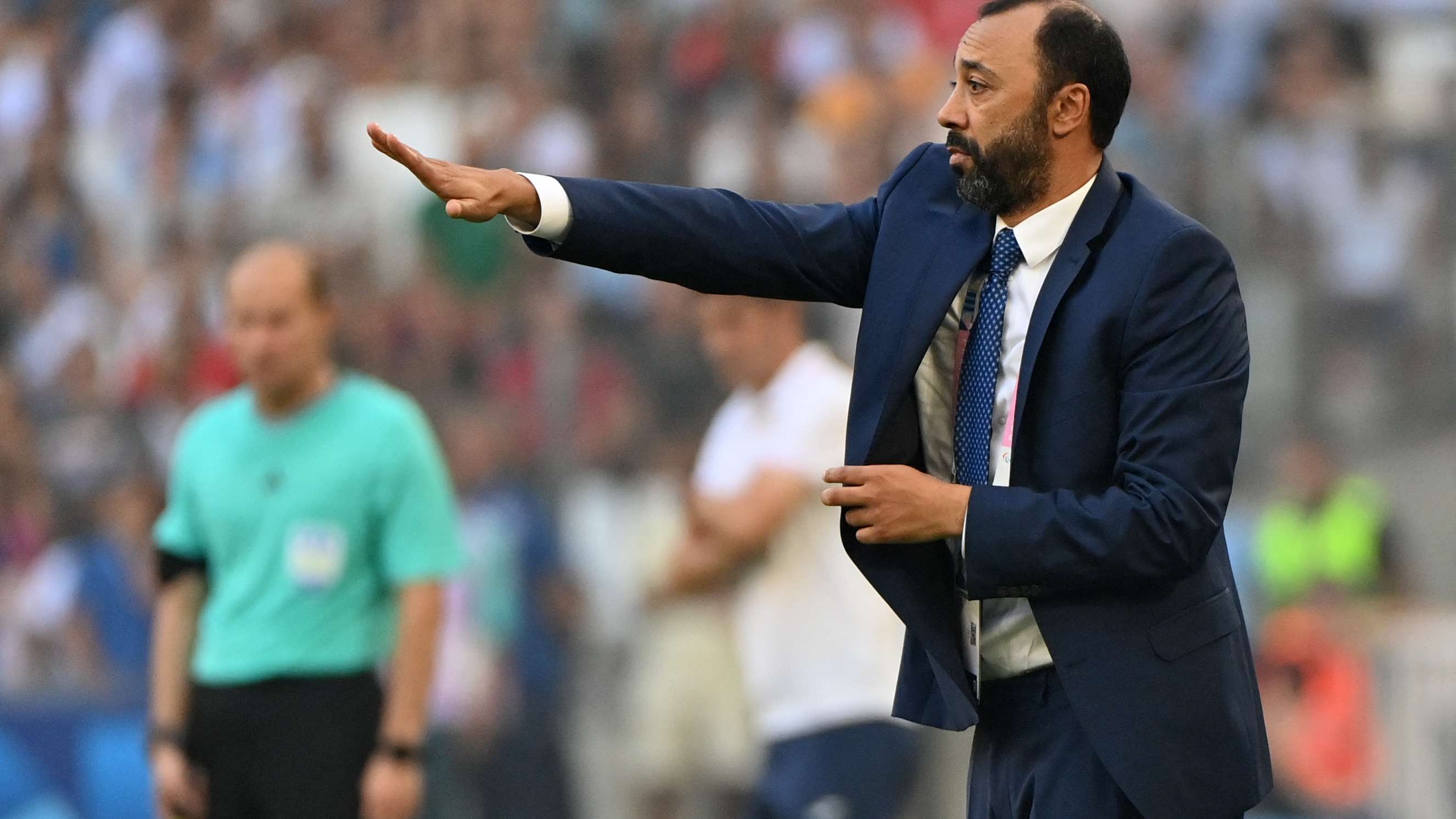
Facing the United Arab Emirates—a team known for its disciplined approach and tactical flexibility—Oman struggled to find cohesive attacking rhythm and defensive stability. The narrow 1-0 loss underscored the need for introspection and strategic overhaul. It also intensified scrutiny on the coaching staff, especially Tarik Sektioui, a Moroccan tactician tasked with steering the team through this challenging phase.
Issa Said’s Candid Criticism: A Wake-Up Call for Omani Football
In a detailed social media post on the platform “X” (formerly Twitter), Issa Said did not hold back in expressing his disappointment with the team’s approach and the coach’s decisions. While acknowledging Sektioui’s suitability as a coach—describing him as “very suitable” for Oman—Said emphasized the urgent need for a more authoritative leadership style from the Moroccan tactician.
“He is the right coach for us, but he must lead with an iron fist,” Said asserted. “Players who offer nothing or fail to meet expectations should be dropped without hesitation.” This frank statement highlights a growing frustration with the perceived lack of discipline and accountability within the squad.
Analyzing Tactical Choices: The Jamil Al-Yahmadi Dilemma
One of the most contentious points in Said’s critique revolves around Sektioui’s decision to rely heavily on Jamil Al-Yahmadi as the team’s holding midfielder. Said questioned whether this choice was based on genuine tactical necessity or a misjudgment, especially considering the availability of other capable players such as Aahed Al-Mashaykhi and Mosab Al-Shaqsi, who sat on the bench during the tournament.
“Does the coach believe Aahed and Mosab lack what is required for that role?” Said asked. “Or does he think Jamil offers something better? These decisions need clear explanations, especially at this level of competition.” The selection dilemma underscores broader issues in team management, including player evaluation and tactical flexibility, which could determine future success or failure.
Criticism of Player Performances and Leadership Qualities
Said didn’t shy away from criticizing other key players, including Harib Al-Saadi and Abdullah Fawaz. He described their recent performances as a “very strange story,” pointing to a decline in their form, waning confidence, and reluctance to receive or distribute the ball effectively. Such issues directly affect team cohesion and offensive potency.
More fundamentally, Said lamented what he perceives as a deficiency in the “weak personality” of the Omani player pool. He expressed concern that there is a noticeable absence of players with the leadership qualities necessary to inspire teammates, organize defensive efforts, and uphold team morale during high-pressure moments.
Implications for the Future: Developing Leadership and Tactical Discipline
Said’s critique extends beyond individual performances, emphasizing the importance of mental toughness, discipline, and strategic clarity. He issued a warning to the younger generation of Omani footballers, cautioning them against blindly copying the habits of some seasoned players who, according to him, have become complacent with failure.
“Learning from experienced players is essential, but imitation without understanding only breeds mediocrity,” he advised. “Our young talents must develop their own leadership qualities and mindset if we want to compete at higher levels.”
The Larger Picture: Challenges Facing Omani Football
Oman’s recent performances highlight systemic issues within its football development programs. Despite having talented players, the national team often struggles with tactical consistency, leadership, and mental resilience. The criticism of Sektioui’s coaching style and team selection underscores the urgent need for structural reforms—both in coaching philosophy and player development pathways.
Additionally, this situation reflects a broader regional football trend where teams are increasingly investing in specialized coaching staff, sports psychology, and tactical analysis. For Oman to elevate its game, it must embrace these advancements and foster a culture of discipline, accountability, and strategic innovation.
Expert Predictions and What’s Next for Oman’s Football
Many football analysts and fans are now speculating about the future direction of Oman’s national team. The key question remains: will the federation heed the calls for change and prioritize building a more disciplined, mentally resilient squad? Or will internal politics and coaching continuity hinder progress?
From a prediction standpoint, experts suggest that unless Oman addresses its leadership vacuum and tactical rigidity, future tournaments may yield similar disappointing results. However, with targeted reforms—such as investing in youth development, enhancing coaching standards, and instilling a winning mentality—there is potential for a turnaround.
Conclusion: A Critical Juncture for Omani Football
The recent Gulf Cup semi-final exit serves as a wake-up call for Omani football. Issa Said’s candid critique sheds light on underlying issues that need urgent attention—from coaching strategies and player mentality to leadership qualities and tactical discipline. As the nation looks ahead to upcoming tournaments, the focus must shift toward creating a more resilient, strategic, and leadership-driven team.
Football prediction enthusiasts and fans alike will be watching closely to see if Oman can learn from these setbacks and emerge stronger. The road to success demands not only tactical adjustments but also a cultural shift that prioritizes discipline, accountability, and genuine leadership on and off the pitch.
Final Thoughts
Oman’s football future hinges on embracing honest evaluation and implementing meaningful changes. The critique from Issa Said, while sharp, provides a valuable roadmap for growth. By fostering a culture of discipline, nurturing leadership qualities, and adopting modern tactical approaches, Oman can aspire to re-establish itself as a formidable force in Gulf and Asian football. The journey ahead is challenging, but with concerted effort and strategic vision, success is within reach.