Roma’s Late Collapse Against Real Madrid Raises Questions Over Injuries and Mentality
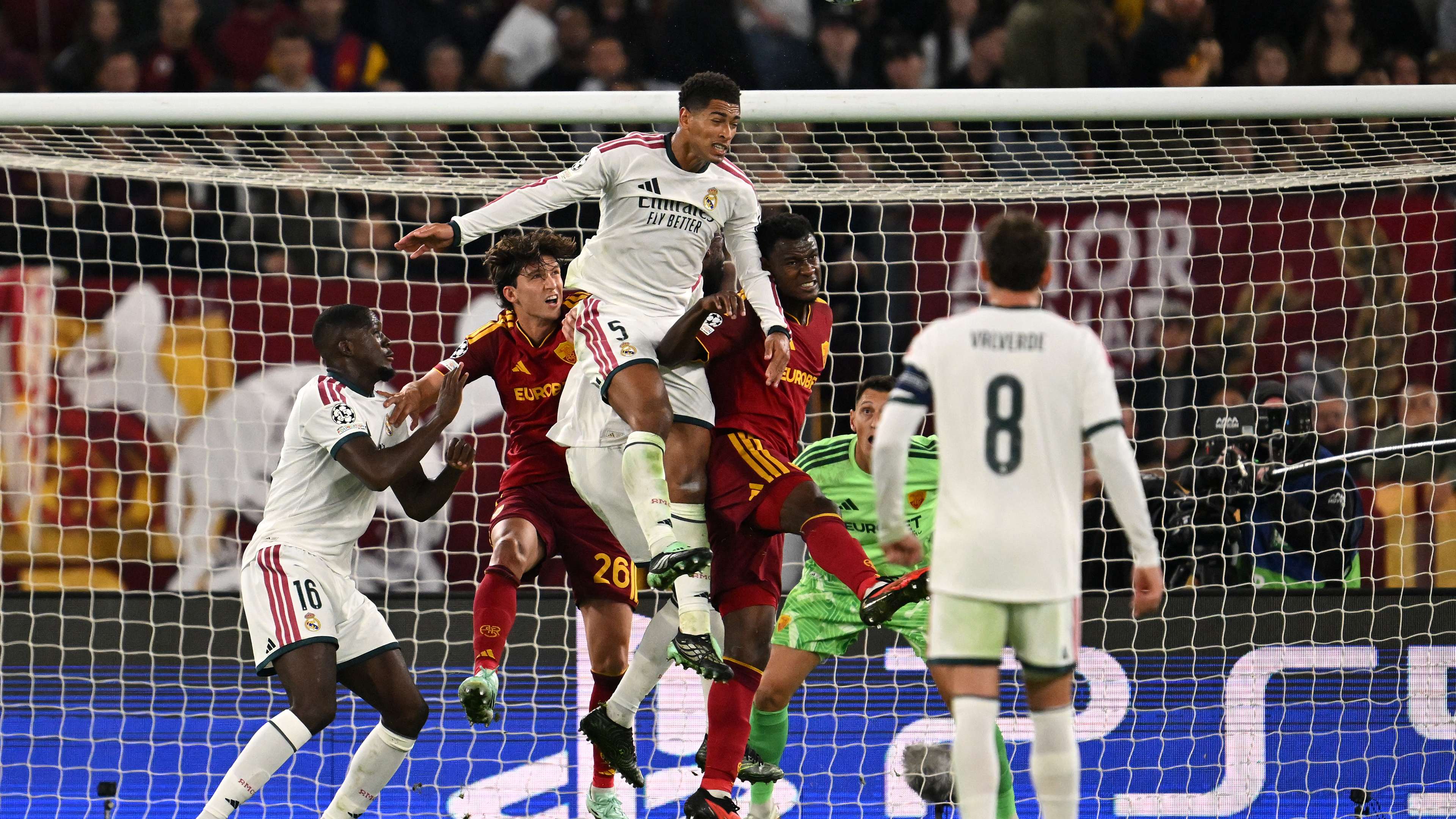
Roma were left to reflect on a painful European defeat after Real Madrid fought back to claim a dramatic 4-3 victory in Wednesday’s meeting. The Italian side appeared to have the match under control, but two goals conceded in the final ten minutes turned a promising performance into a damaging result.
After the game, Roma manager Gian Piero Gasperini addressed comments from Real Madrid coach José Mourinho, who had questioned whether the Giallorossi could maintain their intensity for the full match. Gasperini rejected that assessment, insisting his team had performed better for most of the contest. Yet his frustration was clear: Roma had created a position from which they should have secured the win, only to let it slip away.
Gasperini says Roma were the better side for 80 minutes
Roma took the lead and looked capable of controlling the match, but their advantage disappeared as Madrid punished mistakes late on. Gasperini argued that the result did not reflect the balance of play, saying his team had been superior in almost every area for much of the evening.
“For 80 minutes, we were superior to Real Madrid in everything,” the Roma manager said. He added that, if either side had reason to feel frustrated, it was Roma, given the position they had held before the late turnaround.
The coach’s response was aimed in part at Mourinho’s suggestion that Roma’s energy had faded after the first hour. Gasperini’s view was that his players had sustained their level long enough to put themselves in control. The problem, he indicated, was not simply a drop in intensity but a failure to manage the decisive closing stages.
Set-piece defending proves costly
Despite defending his team’s overall performance, Gasperini did not overlook the errors that allowed Madrid back into the game. Roma struggled to deal with corners and other set-piece situations, while their finishing failed to provide the cushion needed to protect the lead.
“We lacked effectiveness in front of goal and we were completely passive on corners,” he said. “We lost a match we were leading.”
That assessment points to two familiar pressure points in high-level football. A team that does not convert its chances can leave an opponent within reach, while passive marking at set pieces gives a strong attacking side opportunities to change a match quickly. Against Madrid, those weaknesses proved especially costly during the final stretch.
Gasperini also admitted that Roma have previously struggled to close out matches from favourable positions. He said the team had been vulnerable to similar defeats last season and acknowledged that his players lacked the character and awareness needed to recognise the moment when the match had to be secured.
For Roma supporters, the result creates a difficult contrast: the team showed it could compete with one of Europe’s most accomplished clubs, but the final score exposed a lack of control when the pressure was highest. That distinction will matter as the club reviews both its defensive organisation and its approach to protecting leads.
Koné and Dybala injuries add to Roma’s concerns
The defeat was not Roma’s only setback. The club is also waiting for clearer information about injuries to Manu Koné and Paulo Dybala, two important players whose availability could influence the team’s upcoming schedule.
Initial reports from Gasperini indicate that Koné has suffered a muscle strain, while Dybala is dealing with a muscle tear. Further medical examinations are expected in the coming hours, and those assessments will determine the severity of each injury and how long the players may be unavailable.
Until the results are confirmed, any estimate of their return dates remains uncertain. Muscle injuries can vary considerably in seriousness, and the recovery process depends on the exact damage, the player’s response to treatment and the medical staff’s assessment of the risk of an early return. Roma will be keen to avoid rushing either player back before they are ready, particularly with a demanding run of fixtures ahead.
Dybala’s absence would be a notable concern because of the creativity and attacking quality he brings, while Koné’s injury could affect Roma’s options in midfield. Their status may also shape Gasperini’s selection decisions, including whether he changes the team’s structure or asks other players to take on additional responsibilities.
What the result means for Roma’s next matches
Roma now need to respond quickly, both on the field and in the treatment room. Their next fixtures include a Serie A meeting with Genoa on October 18, followed by a La Liga match against Sevilla on October 19, according to the schedule provided. The close timing makes the injury updates especially important, although final team selections will depend on medical evaluations and match preparation.
For fans considering a football prediction ahead of Roma’s next appearance, the key factors will include the confirmed availability of Koné and Dybala, the team’s response to the Madrid defeat and whether Gasperini makes changes to strengthen its defensive work on set pieces. Roma’s attacking performance against Madrid offers encouragement, but their inability to finish chances and protect a lead remains a major question.
The loss may ultimately serve as a warning as much as a disappointment. Roma demonstrated that they could trouble a top opponent, but strong spells alone are not enough at this level. To turn competitive performances into results, the Giallorossi must become more clinical in front of goal, more alert when defending corners and more composed when a match reaches its decisive moments.
For now, the focus is split between recovery and response: waiting for the medical verdict on two key players, while finding a way to ensure that a promising performance does not end in another late collapse.