
Abdullah Al-Khaibari Emerges as Guests’ Pick for Saudi Football’s Best Player
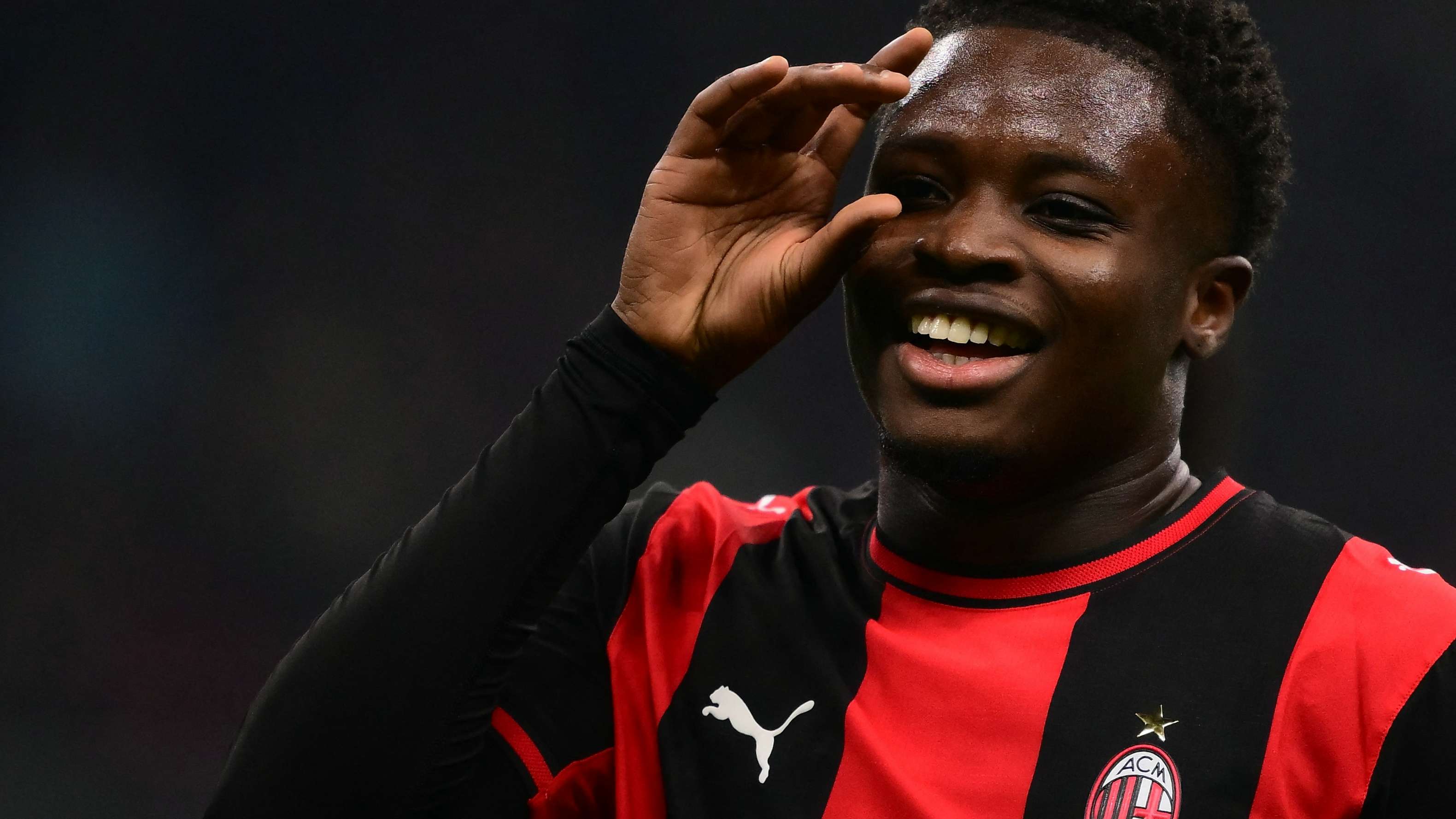
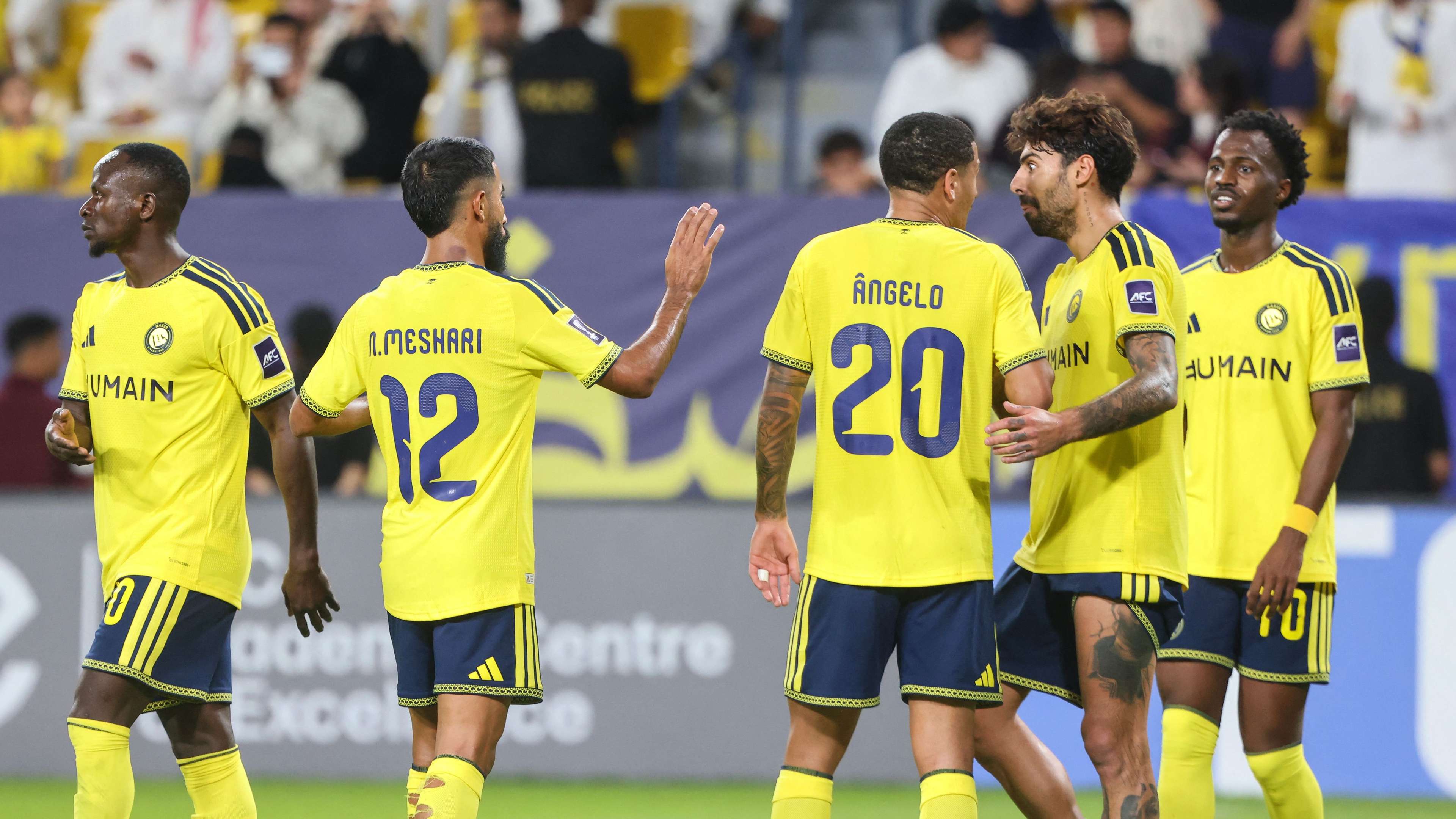
Al-Nassr midfielder Abdullah Al-Khaibari was the overwhelming choice among guests asked to name Saudi Arabia’s best footballer at the 2026 Ballon d’Or ceremony in London. The informal poll, conducted on the red-carpet sidelines, offered a snapshot of how the midfielder’s influence has grown following Saudi Arabia’s international achievements.
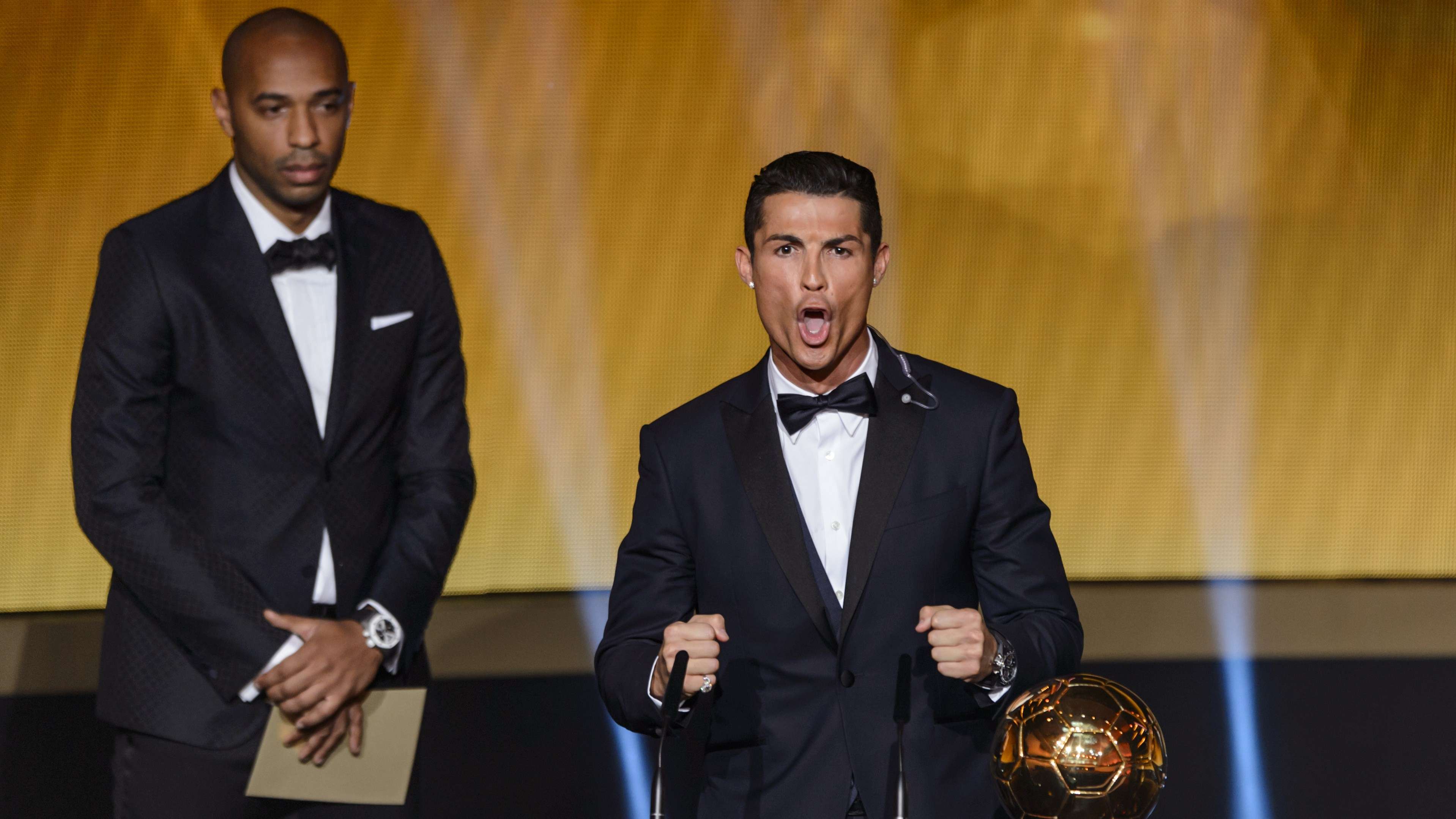
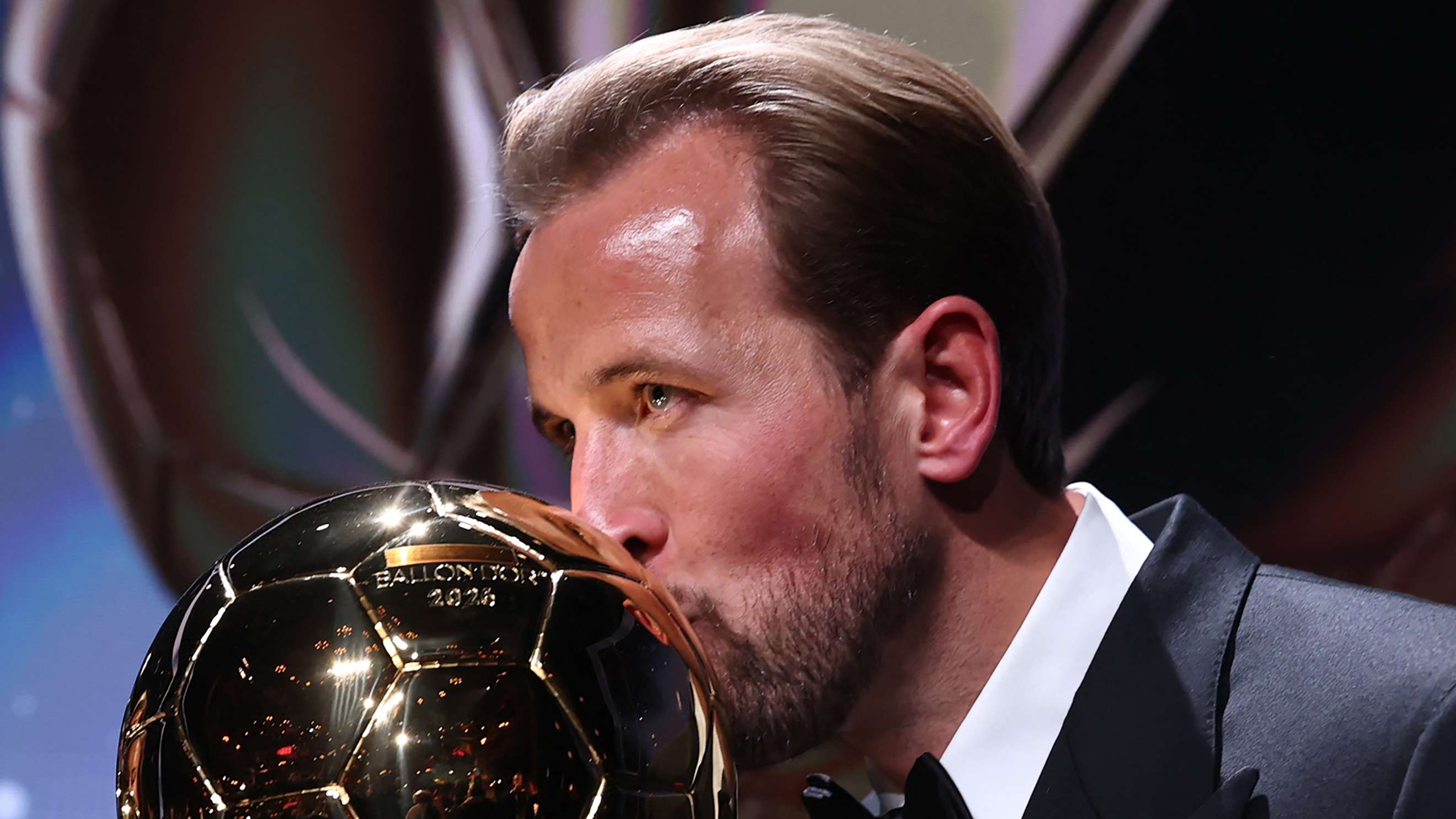
France Football staged the 2026 Ballon d’Or event in the British capital, bringing together players, football figures and other guests from across the sport. Saudi journalist Sharji attended on behalf of Thmanyah, the broadcaster of the Roshn League, and asked attendees a question focused on the Saudi game: which player deserves to be considered the country’s best right now?
The question came after Saudi Arabia’s appearance at the 2026 World Cup and its triumph at the Arabian Gulf Cup, also known as Khaleeji 27. Those milestones gave the discussion added context, shifting it beyond club performances and towards the players who have helped shape the national team’s recent progress.
A clear favourite in the London interviews
Most of the guests interviewed by Sharji named Al-Khaibari. Only one respondent chose his Al-Nassr teammate, striker Abdullah Al-Hamdan, making the midfielder the clear favourite in the small but telling poll.
One guest offered a playful endorsement, saying Al-Khaibari should have been at the ceremony himself and joking that he was “bigger than the Ballon d’Or award.” The comment was light-hearted, but it captured the enthusiasm surrounding the midfielder’s reputation among those asked to make their pick.
The responses should not be mistaken for an official award or a formal ranking of Saudi players. They were opinions gathered at a high-profile football event. Still, the consistency of the answers suggests that Al-Khaibari’s contributions have resonated beyond the domestic league and earned him recognition among international guests.
Why Al-Khaibari’s role matters
Al-Khaibari has become an important presence for both Al-Nassr and the Saudi national team. As a midfielder, his value is not measured only by goals or assists. Players in his position often influence a match through their ability to win possession, protect the defence, connect the lines and help a team move from recovery to attack.
That work can be less visible than a striker’s finishing, but it is essential to a side’s balance. A dependable central midfielder can give attacking players more freedom while helping the team remain organised when possession changes hands. For a club competing in the Roshn League and a national side facing international opponents, those qualities can make a significant difference.
His standing has also been strengthened by his involvement in Saudi Arabia’s Arabian Gulf Cup success. The title was especially meaningful because it ended a 23-year wait for the country to lift the trophy. Winning a regional competition requires more than individual talent: it depends on consistency, discipline and the ability to perform under pressure across a tournament.
Al-Khaibari played his part in that achievement, adding to the case made by those who selected him in London. The combination of club responsibility and international contribution helps explain why the poll’s answers leaned so heavily in his favour.
Saudi Arabia’s wider football momentum
The discussion also reflects a broader shift in attention towards Saudi football. The Roshn League has attracted growing interest, while the national team’s performances have given supporters new moments to celebrate and assess. Saudi Arabia’s World Cup appearance and Gulf Cup triumph have placed greater focus on the players behind those results—not only the headline scorers, but also the midfielders and defenders who provide structure.
That increased attention brings a familiar question: what makes a player the best? Some fans prioritise statistics, such as goals, assists and minutes played. Others value leadership, tactical intelligence or consistency in major matches. In Al-Khaibari’s case, the London guests appeared to favour the influence he brings to the team as a whole.
Al-Hamdan’s lone vote is also worth noting. As a striker, he offers a different profile and a different measure of impact, with goals and attacking movement often central to his contribution. The contrast between the two choices highlights how subjective any “best player” debate can be, particularly when comparing footballers with very different responsibilities.
What the prediction says about the next chapter
The ceremony interviews provide an engaging prediction about which Saudi player may command attention in the months ahead, but they do not settle the debate. Al-Khaibari will need to maintain his performances for Al-Nassr and continue contributing to the national team if he is to strengthen his claim. Form, fitness and success in future competitions will all shape how supporters judge his standing.
For now, the message from London was unmistakable: among the guests asked to name Saudi Arabia’s leading footballer, Abdullah Al-Khaibari was the name that came up most often. His recognition reflects the value of a midfielder whose influence extends beyond the most visible moments of a match—and whose role has coincided with a significant period for Saudi football.