
Manchester United’s Coaching Future: Inside the Club’s Strategic Moves and Recent Performance Challenges
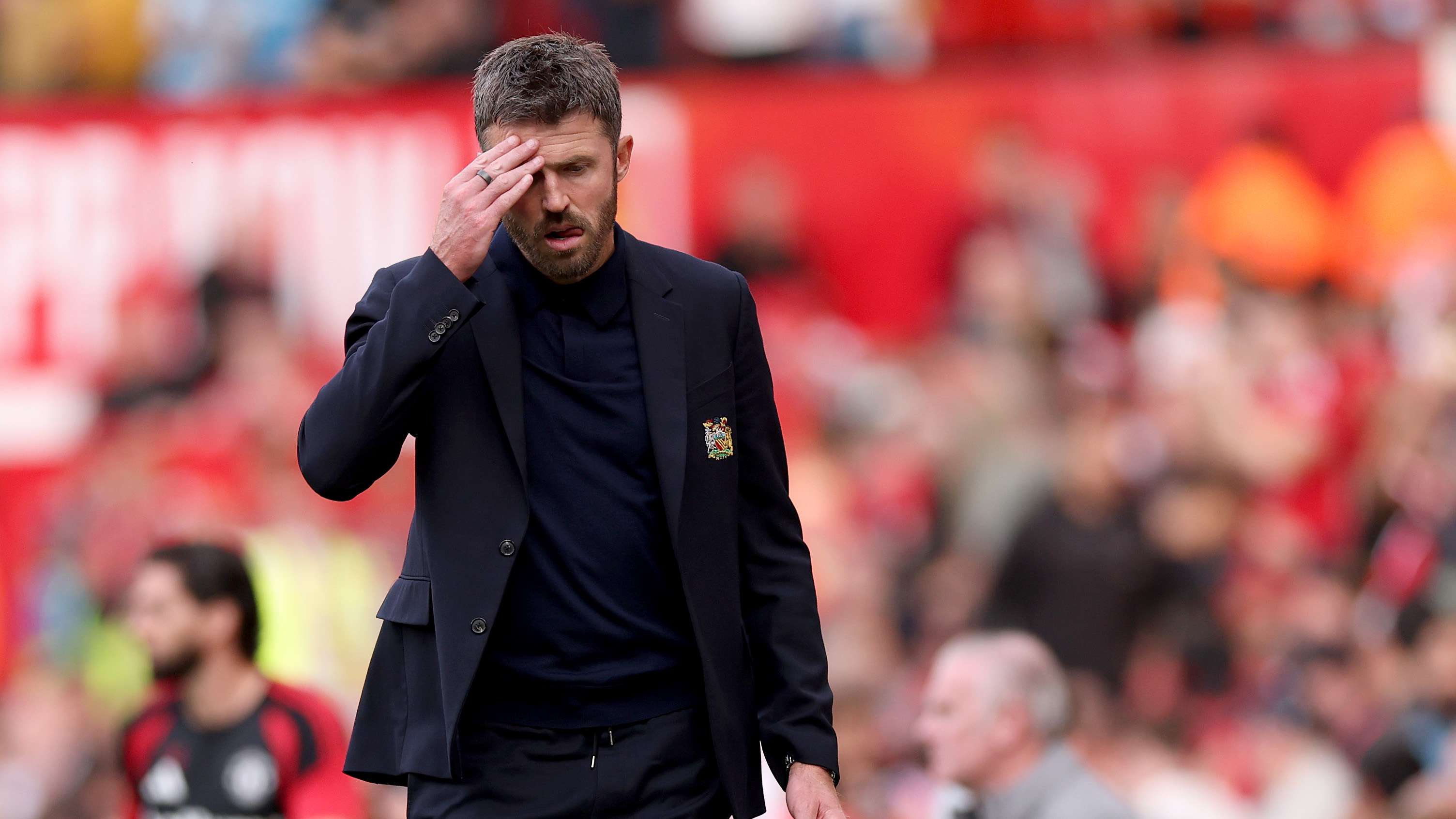
Manchester United, one of the most storied football clubs in the world, is currently navigating a turbulent period marked by inconsistent results and intense scrutiny of its coaching staff. Recent revelations by renowned football journalist Fabrizio Romano shed light on the club’s strategic intentions concerning interim head coach Michael Carrick, amid a backdrop of mounting pressure and fan expectations.
Understanding Manchester United’s Current Predicament
Under Michael Carrick’s stewardship, Manchester United has experienced a challenging start to the season, registering just one victory across their first five Premier League fixtures. The early exit from the League Cup after a disappointing defeat to Brighton, where the team squandered a two-goal lead, has only intensified criticism from supporters and pundits alike. Concerns center around the team’s defensive frailty—particularly the inability to keep a clean sheet against other English sides—and a noticeable lack of intensity in pressing opponents.
Analysts and fans alike have observed that United’s performances in most matches have fallen short of the high standards set in the latter part of last season. The second-half resurgence that characterized their previous form appears to have diminished, raising questions about the team’s tactical approach, motivation, and overall resilience. The only notable exception came during their Champions League opener against Azerbaijan’s Qarabag, where a more cohesive and aggressive display seemed to hint at potential under Carrick’s guidance.
What Fabrizio Romano Reveals About Manchester United’s Coaching Plans
Fabrizio Romano, a trusted voice in football transfers and management updates, confirmed through a YouTube interview that Manchester United’s management remains committed to stability, at least for the foreseeable future. According to Romano, the club has not initiated contact with any other coaching candidates nor entered into negotiations with agents representing potential replacements for Carrick. This indicates a deliberate choice to maintain a calm, measured approach despite the recent results.
Romano emphasized that the current situation at Manchester United is “calm,” with hopes that this stability will endure for months. This strategic patience suggests that the club’s leadership is prioritizing a long-term vision over quick fixes, especially given the recent summer transfer window that saw the arrival of promising talents like Carlos Baleba and a revamped midfield designed to bring dynamism and stability.
Support Within the Squad and the Importance of Results
One of the most notable insights Romano shared pertains to Carrick’s standing within the dressing room. Unlike previous coaching regimes at Manchester United, where support from players was often fragile or short-lived, Carrick appears to enjoy the backing of the majority of the squad. Romano clarified: “United’s players support Carrick and his ideas, and the vast majority of them back him.” This unity among players can be a crucial factor in navigating a difficult start, as morale and confidence are key components of performance in football prediction analyses.
However, Romano was quick to underline that player support alone is insufficient. “Results remain essential to guarantee the coach’s continuity and the success of the project in the long term,” he stated. This underscores the delicate balance between managerial backing and tangible results—a common theme in football prediction, where the outcome often dictates managerial tenure and future club strategies.
Comparing Manchester United’s Situation to Past Coaching Turmoil
Historically, Manchester United has experienced coaching upheavals following poor runs of form, with some managers facing the axe after just a handful of games. Romano’s comments suggest that Carrick is not currently suffering from such a crisis. Unlike previous coaches who encountered hostility or a lack of backing, Carrick’s position appears relatively stable, at least for now.
This stability could prove advantageous, providing the team with a sense of continuity amid adversity. The support from players and the club’s cautious approach to managerial changes suggest that Manchester United is aiming for a measured rebuild, rather than a knee-jerk reaction to early setbacks. It also reflects a broader trend in football prediction—recognizing that patience and strategic planning often yield better results over the long term.
The Road Ahead: Key Fixtures and Expectations
Looking ahead, Manchester United’s upcoming fixtures will be critical in shaping perceptions of Carrick’s tenure. Notably, the clash against Tottenham Hotspur on October 11, which Romano highlighted, will serve as an important test of the team’s resilience and tactical maturity. Football prediction models will likely analyze this fixture closely, assessing whether United can turn their fortunes around and improve their defensive solidity.
Furthermore, the club’s investment in new players and a midfield overhaul indicates a desire to evolve tactically and physically. The challenge now lies in integrating these new components into a cohesive unit capable of competing consistently at the highest level. Success in these endeavors could restore confidence among fans and elevate Manchester United’s standing in the Premier League, ultimately influencing football prediction outcomes for the remainder of the season.
Additional Context: The Broader Implications for Football Prediction and Club Strategy
Manchester United’s current situation exemplifies a broader trend in football management—where patience, stability, and long-term planning often trump immediate results. For football prediction enthusiasts, understanding the nuances of such club strategies is crucial. Factors like squad support, tactical adjustments, and the ability to adapt under pressure all influence game outcomes and season-long predictions.
Moreover, the club’s cautious approach contrasts with more aggressive managerial changes seen elsewhere, emphasizing the importance of data-driven decision-making and psychological stability. As football prediction models incorporate these variables, clubs like Manchester United serve as case studies in balancing short-term performance with long-term strategic planning.
Conclusion: Navigating Uncertainty with Strategic Confidence
Manchester United’s management, led by insights from reputable sources like Fabrizio Romano, appears committed to a measured and strategic approach during this challenging phase. While results have not yet met expectations, the backing from players and the club’s patience suggest a focus on rebuilding and long-term success. For fans and football prediction analysts alike, this period offers valuable lessons in resilience, tactical evolution, and the importance of stability in achieving sustainable success.
As the season unfolds, all eyes will be on Manchester United’s upcoming fixtures and the team’s ability to translate backing into results. With a squad supported internally and a clear strategic vision, the club aims to turn the tide and restore its competitive edge—an exciting narrative for football enthusiasts and prediction models eager to see how this chapter unfolds.