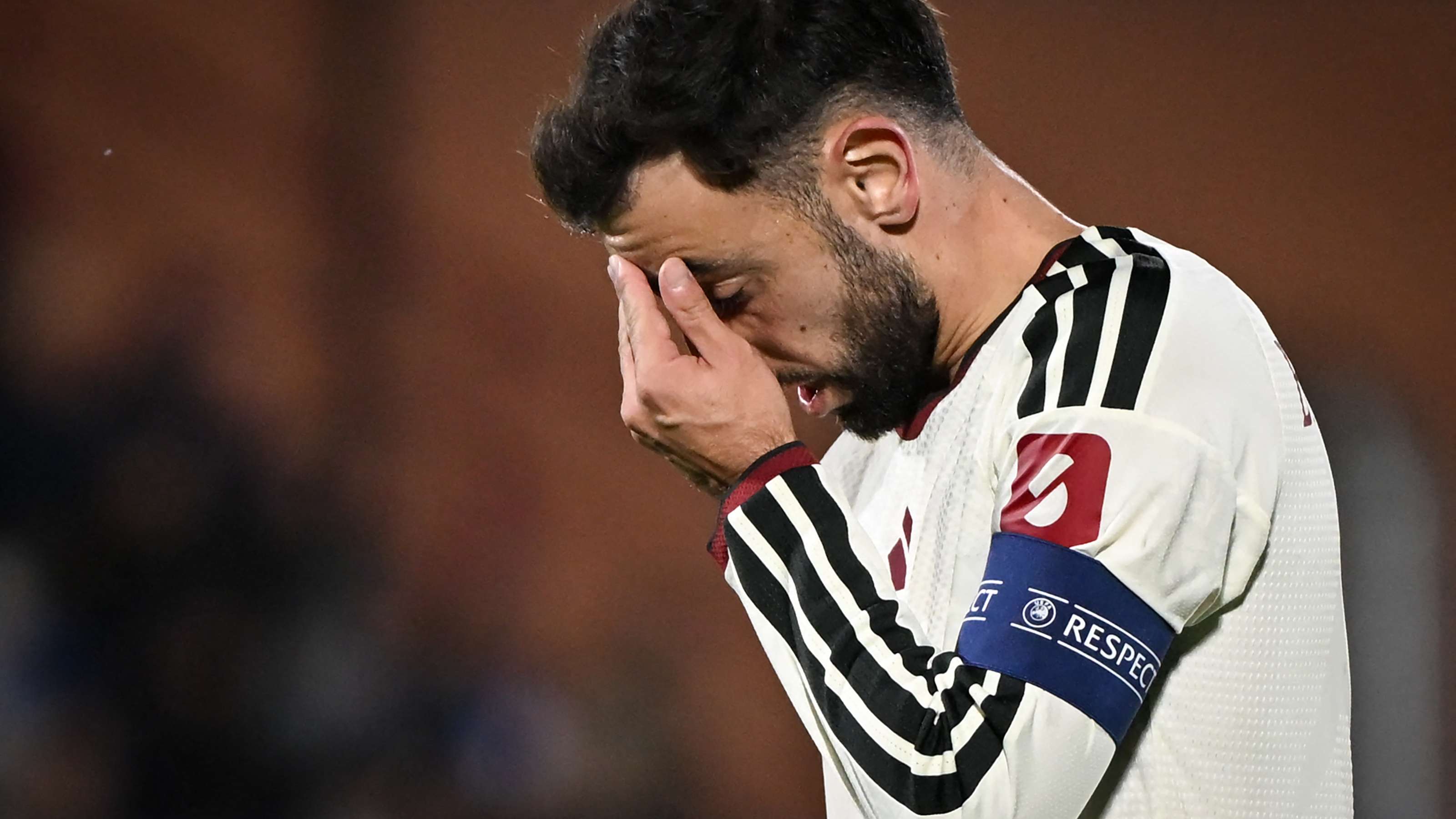
Ismael Saibari Struggles as Bayern Munich Draw 2-2 with Arsenal
Ismael Saibari endured a difficult evening as Bayern Munich and Arsenal played out a 2-2 draw in their Champions League clash at the Allianz Arena. The Morocco international was handed a prominent starting role by coach Vincent Kompany, but struggled to influence the contest before being substituted in the second half. German media outlets were particularly critical, describing his display as ineffective and suggesting he still needs time to adjust.
Saibari started in an advanced midfield position behind striker Harry Kane, a role that offered the former PSV player an opportunity to contribute to Bayern’s attack and connect play through the centre. However, Arsenal’s intensity and organisation made it difficult for the hosts to find space between the lines. Saibari was replaced by Luis Díaz after 68 minutes, with Bayern still searching for the decisive goal.
Arsenal and Bayern Share the Goals
The match delivered an engaging contest between two European heavyweights. Arsenal struck first through Eberechi Eze, putting the visitors ahead and forcing Bayern to respond. The German side drew level when Alphonso Davies finished after a superb pass from Kane, whose vision helped unlock the Arsenal defence.
Bayern moved in front in the second half when Kane converted a penalty, sending his effort into the top corner. With the home side seemingly in control, Arsenal continued to press and found an equaliser with ten minutes remaining. Declan Rice made it 2-2, ensuring the points were shared after a match that featured momentum swings and attacking moments from both teams.
For supporters following the Champions League, the result offered plenty to assess beyond the final score. Bayern showed they could create dangerous opportunities, while Arsenal demonstrated resilience by recovering from a deficit. The draw also leaves room for debate about selection, tactical balance and which players can make the difference in upcoming fixtures.
German Media Criticise Saibari’s Performance
Saibari’s contribution came under close scrutiny in the German press after the final whistle. FOCUS delivered one of the sternest assessments, awarding him a 4 and arguing that he failed to pose a meaningful threat. The publication also said he struggled to match the pace of Arsenal’s midfield, an important factor in a game where quick transitions and pressure often dictated the rhythm.
FOCUS pointed to two attacking moments that did little to change that impression. Saibari sent one attempt well over the crossbar, then later struck the side netting after a promising move. That second effort would not have counted in any case, as he was offside. The outlet described the overall performance as unconvincing.
T-online also gave Saibari a 4. Its assessment was more measured, acknowledging that he had some positive moments when he remained alert, but concluding that his display was not convincing overall. The verdict suggests that while he was not without useful touches, he did not produce enough consistent influence to meet expectations in such a high-profile match.
The local newspaper Süddeutsche Zeitung took a different approach and did not assign him a grade. Instead, it suggested the midfielder “needs more time to adapt.” That comment points to the challenge facing a player trying to establish himself in a new environment, particularly at a club where competition for starting places is intense and the demands of elite football are immediate.
What a German Grade of 4 Means
German player ratings can be confusing for readers accustomed to other grading systems. In the country’s traditional school-style scale, a 4 is generally considered a pass, though only a narrow one. In football coverage, however, it usually signals an average or below-par performance. When a newspaper gives a player a 4, it often indicates that he did not make a significant positive impact and may have fallen short of expectations.
That distinction matters when interpreting the reaction to Saibari. The ratings do not necessarily suggest that he was responsible for Bayern’s dropped points, nor do they erase the potential that persuaded Kompany to start him. Rather, they reflect the gap between the role he was asked to perform and the influence he managed to exert on the night.
Why the Matchup Was Difficult
Arsenal’s energetic midfield presented a demanding test. Bayern’s attacking midfielders needed to find pockets of space, receive the ball under pressure and help move possession quickly towards Kane. When Arsenal closed those channels, Bayern’s central players had less time to turn and create. Saibari’s difficulty in keeping up with the tempo, highlighted by FOCUS, was therefore central to the criticism.
At the same time, one match offers only a limited picture of a player’s ability. A new role, the quality of the opposition and the speed of a Champions League fixture can all affect performance. Saibari will need opportunities to build understanding with his teammates and show that he can contribute more consistently, whether through pressing, ball progression or runs into dangerous areas.
What Comes Next for Bayern and Saibari?
Bayern’s next challenge is to turn promising attacking phases into results, while maintaining control when opponents respond. The draw with Arsenal showed both the team’s capacity to create and its vulnerability to late pressure. For Kompany, decisions around midfield selection could be important as Bayern move into a busy schedule of domestic and European football.
For Saibari, the immediate focus will be on responding to the criticism with a stronger performance. A more assertive display could help him earn another starting opportunity, but competition for places means he will need to make the most of his minutes. His ability to adapt to Bayern’s pace and tactical demands will be watched closely by supporters and German football commentators.
Any prediction about Saibari’s long-term role should be cautious after a single difficult outing. The 2-2 result was shaped by the contributions of several players, including Kane, Davies and Rice, while the midfielder’s evening was cut short before the closing stages. Still, the reaction from the German media makes clear that expectations are high. Saibari now has a chance to answer those doubts on the pitch and show that this subdued Champions League performance was a setback, not a defining moment.