
Bruno Fernandes Questions Manchester United’s Tactics After Heavy Como Defeat
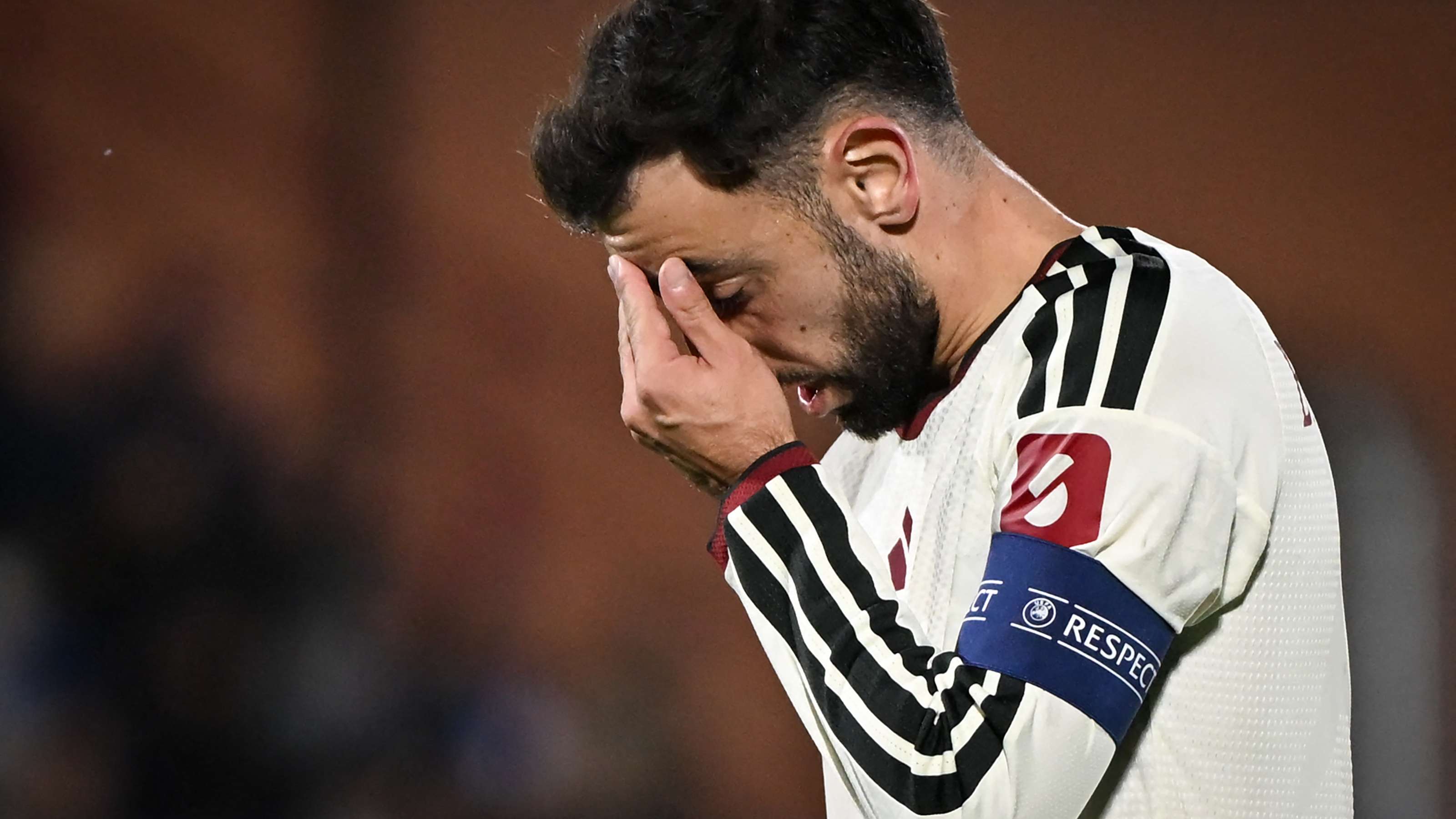
Manchester United captain Bruno Fernandes has openly questioned the team’s approach after a damaging 4-1 Champions League defeat to Como, arguing that United needed to press more aggressively and deny their opponents time on the ball. The Portuguese midfielder’s comments have added to the scrutiny facing manager Michael Carrick as the club struggles to build momentum at the start of the season.
Como took control early at home, exposing gaps in United’s defensive structure and punishing a lack of pressure through midfield. Playmaker Nico Paz scored twice, while Tassos Douvikas and Jacobo Ramon also found the net. Joshua Zirkzee scored a late consolation for United, but the stoppage-time goal did little to soften the impact of a result that left the visitors with more questions than answers.
Fernandes Calls for a Braver Press
Fernandes suggested United’s decision not to use a consistent man-to-man press allowed Como to settle into their passing game. The captain said the coaching staff had chosen the approach, but warned that giving technically confident teams space can make them increasingly dangerous.
“Sometimes you have to be braver when you are under pressure,” Fernandes said after the match. “You have to take the risk of pressing high and make it difficult for the opposition.” His remarks pointed to a tactical disagreement over how United should respond when opponents build play from the back.
The midfielder also highlighted the contrast between the two sides’ defensive pressure. He noted that a Como centre-back followed him into United’s half, limiting his opportunities to receive and turn. Fernandes felt United should have applied similar collective pressure, particularly against a team comfortable playing short passes through central areas.
Without that pressure, Como were able to move the ball forward and exploit the wider channels. Fernandes said that when a side is allowed too much time in the middle, it can draw opponents out of position before attacking down the flanks. It was a pattern United struggled to contain throughout the contest.
Como Strike Early and Keep United on the Back Foot
The game began badly for United. Paz opened the scoring in the second minute, giving Como an immediate advantage and forcing the visitors to chase the match. Fernandes said this was not the first time United had been caught off guard and conceded early, a recurring problem that can undermine a team’s plan before it has had time to settle.
United’s response failed to provide much reassurance. Fernandes described the performance as short of intensity, movement and quality, saying there had been “hardly any pressure on the ball” and little effective work in possession. His assessment reflected a broader frustration: United were not only struggling to stop Como but were also finding it difficult to establish their own rhythm.
Douvikas doubled the home side’s lead shortly after half-time, scoring in the 49th minute. Paz then added his second in the 57th, leaving United facing a steep climb. Ramon’s goal in the 76th minute completed the rout, while Zirkzee’s late strike arrived too late to change the outcome.
Unusual Substitution Adds to the Debate
Fernandes was substituted in the 67th minute, with Zirkzee brought on in his place. Removing the captain during a difficult European match was a notable decision, particularly given his usual importance to United’s build-up and attacking play. Zirkzee eventually scored, but the change also became another talking point after a night dominated by questions about tactics and team performance.
Fernandes did not place the blame solely on the manager. He criticised his own display and that of his teammates, while saying responsibility for analysing the defeat rested with Carrick and the coaching staff. The captain’s comments nevertheless made clear that he believes United need a more assertive response when opponents are comfortable in possession.
Pressure Mounts on Carrick as United Seek a Response
The defeat has intensified attention on Carrick, who took charge after Ruben Amorim was dismissed in January. Initially appointed on an interim basis, the 45-year-old earned the opportunity to continue after United’s strong finish to the previous campaign. His contract runs until the summer of 2028, but reports in the English media suggest his position is now under serious scrutiny.
United’s early-season results have added to the concern. The club have collected only seven points from their first seven Premier League matches, a return that risks leaving them adrift of the top-four race before the campaign is well underway. Their Champions League form is also uneven: the Como loss was their second defeat in three matches, following a 0-2 result away to Atletico Madrid. Their sole victory came against competition newcomers Sabah FK, whom United beat 4-0 in their opening game.
Carrick accepted responsibility for the performance after the Como match, describing the result as more than disappointing and saying he took full responsibility for the team. When asked whether he still had the backing of the club’s leadership, he declined to focus on his own position, saying the immediate priority was to process the game and understand what had gone wrong.
What United Must Improve Before Their Next Match
United’s next fixture is a Premier League meeting with Bournemouth on October 25, offering a swift opportunity to respond. The match will test whether Carrick can address the defensive distance between his players, improve the team’s intensity without the ball and restore confidence after a bruising European night.
For United supporters, the key issue is not simply whether the team should press high. An aggressive press can disrupt opponents, but it requires coordinated movement, clear triggers and cover behind the first line. If players press individually or leave gaps between defence and midfield, the tactic can create the very spaces it is meant to close. The challenge for Carrick is to establish a plan the whole side can execute consistently.
Fernandes’ comments have made the tactical debate public, but the coming performances will matter more than the post-match exchanges. United need sharper starts, greater collective pressure and more purposeful possession if they are to halt their slide. Any football prediction for the Bournemouth game will depend heavily on whether the team shows an immediate response—or repeats the defensive uncertainty that Como exploited so effectively.