
Gasperini Pushes Back After Mourinho’s “Dead” Remark About Roma
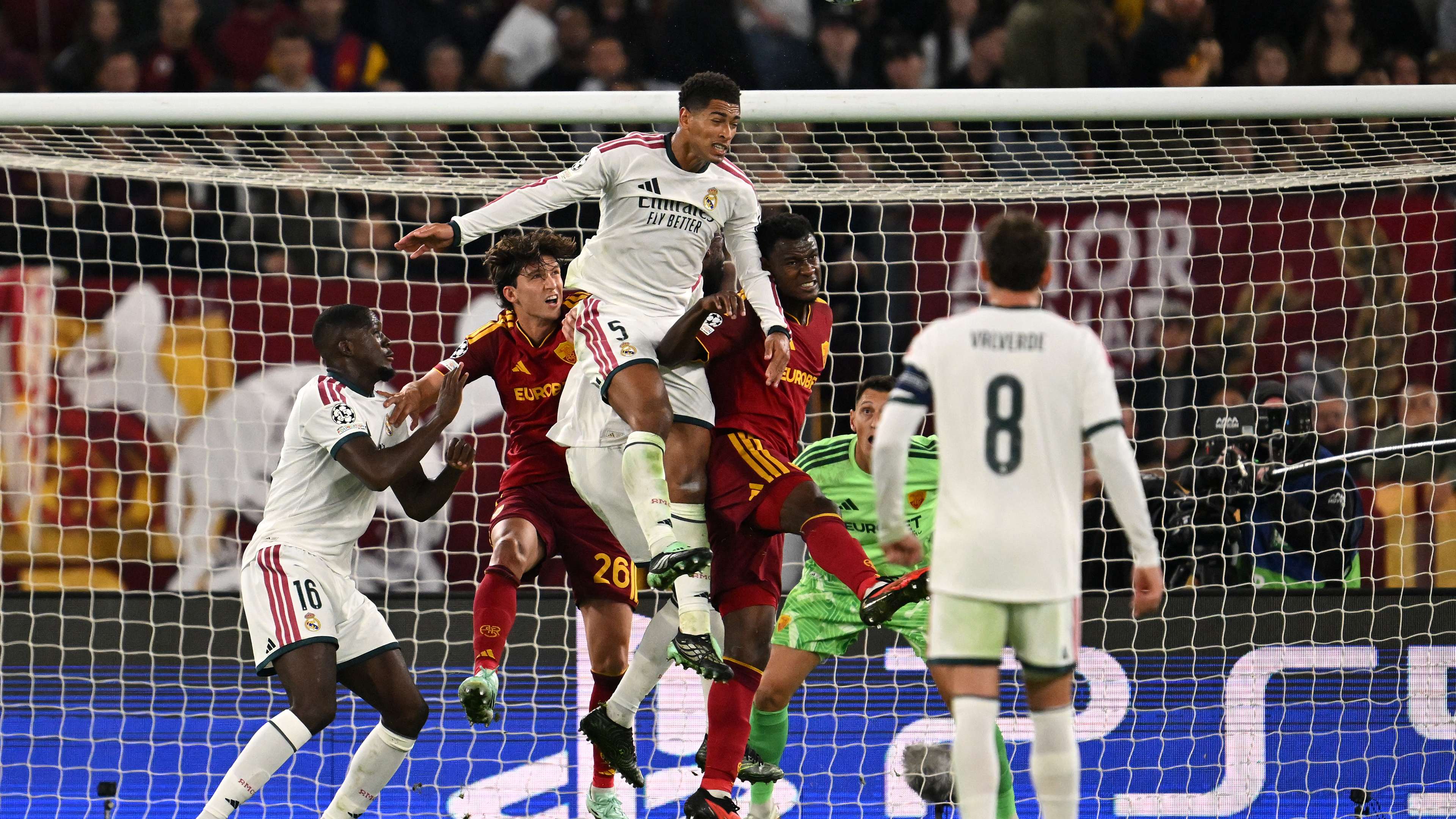
Gian Piero Gasperini has rejected Jose Mourinho’s assessment that Roma’s players looked “dead” during their Champions League meeting with Real Madrid, insisting the Italian side were the better team for much of the contest. His response came after Roma’s promising performance ended in disappointment, with a late collapse at the Stadio Olimpico allowing the visitors to take control.
The exchange added another layer of intrigue to an already dramatic European night. While the result and the final stages of the match dominated the headlines, Gasperini’s comments highlighted a wider debate familiar to football supporters: how much should a team’s overall display count when it fails to maintain its level until the final whistle?
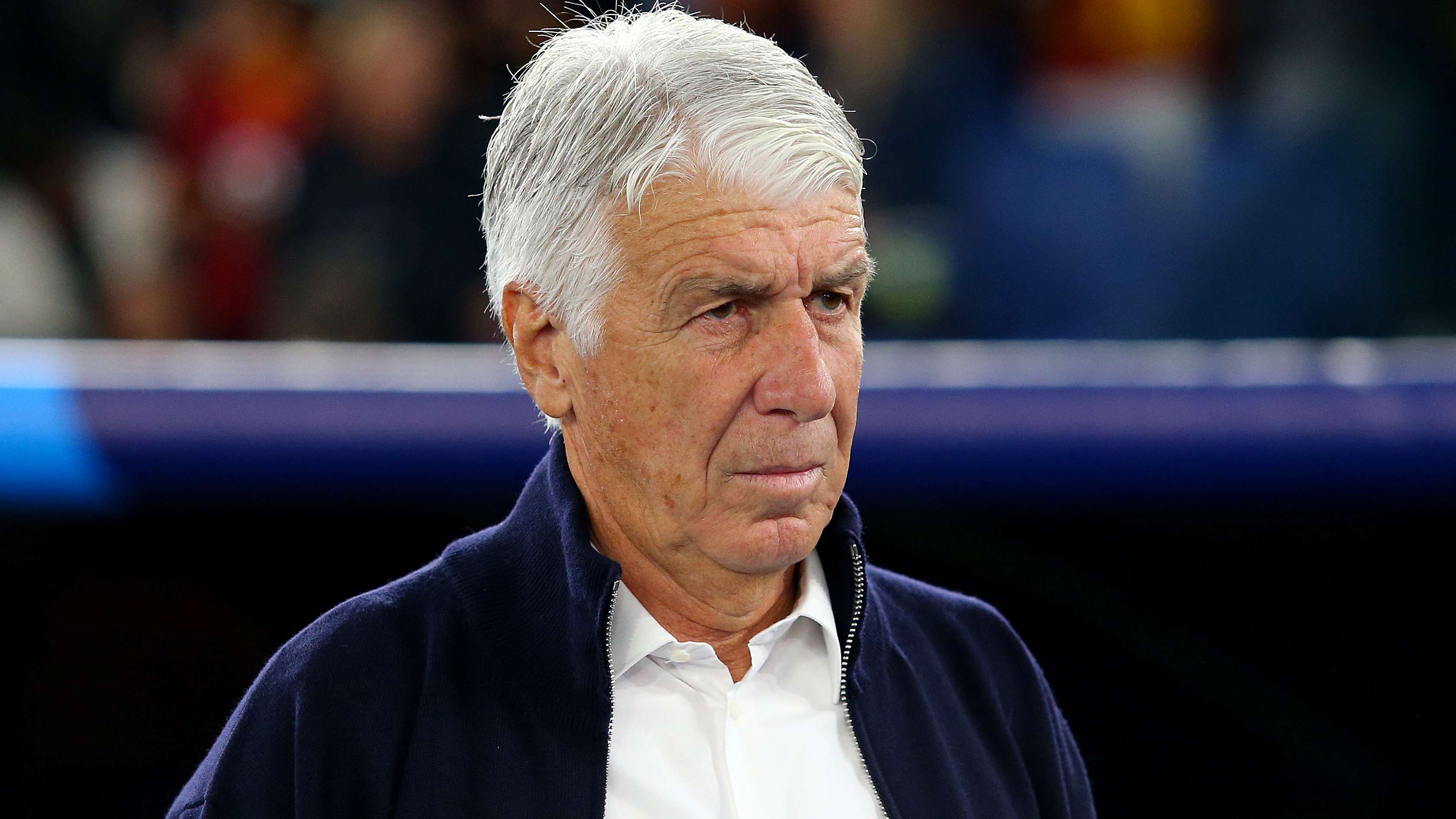
Gasperini Defends Roma’s Performance
Mourinho’s description of Roma’s players as “dead” suggested that the home side had lacked the energy or capacity to compete. Gasperini strongly disagreed. He argued that Roma had been the superior team for the majority of the match, pointing to their ability to challenge Real Madrid and impose themselves before the late downturn.
His defence was not simply an attempt to dismiss the result. Rather, Gasperini drew a distinction between the team’s performance across the full contest and the decisive spell in which Roma lost control. A side can compete effectively for long periods and still be punished for a short lapse, particularly against a club with Real Madrid’s experience and quality.
That distinction matters in elite football. A match is often remembered through its turning points: a missed chance, a defensive error or a late goal. Yet coaches assess more than the final score. They also consider pressing, possession, movement, defensive organisation and the ability to create opportunities. Gasperini’s argument was that Roma had shown enough in those areas to deserve recognition, even if their finish to the match was poor.
A Strong Display Undone by a Late Collapse
Roma’s performance at the Stadio Olimpico appeared to offer encouragement for much of the evening. The Giallorossi competed against one of Europe’s most decorated teams and, according to Gasperini, held the upper hand for a substantial portion of the encounter. That made the late collapse especially frustrating: the home side had worked hard to stay in the contest, only to see its efforts undermined when the match entered its closing stages.
Against an opponent such as Real Madrid, small mistakes can have an outsized impact. Madrid are accustomed to managing difficult away matches, absorbing pressure and waiting for openings. Even when they are not dominant throughout, their ability to capitalise on a brief loss of concentration can change the outcome quickly. Roma’s late difficulties therefore became more than a temporary dip in energy; they altered the story of the match and shaped the post-game conversation.
For Gasperini, the challenge is to ensure that the positive elements of Roma’s display are not erased by the final minutes. But his response also acknowledges the need for improvement. If Roma are to turn competitive performances into results against top-level opposition, they must sustain their concentration and physical intensity for the full 90 minutes, including the moments when pressure is at its highest.
Mourinho’s Comment Adds to the Post-Match Tension
Comments about a team’s physical condition can quickly become a talking point after a high-profile fixture. Mourinho’s use of the word “dead” was a blunt description, one that could be interpreted as criticism of Roma’s fitness, their late-game energy or the way they responded under pressure. Gasperini’s rebuttal made clear that he did not accept that characterisation of his players’ overall effort.
Such exchanges are part of the theatre surrounding major European matches, but they also reflect the contrasting ways coaches explain a result. One manager may focus on the opponent’s shortcomings, while another emphasises the quality of the performance before a decisive mistake. Neither perspective changes what happened on the pitch, but both can influence how supporters and analysts interpret the match.
For Roma fans, Gasperini’s defence may offer reassurance that the team’s display was not without merit. At the same time, it does not remove the practical concern: a strong spell is not enough if the team cannot protect its position late on. The most useful response will come through performance in the next match, rather than through words alone.
What the Result Means for Roma’s European Ambitions
In the Champions League, consistency is often as important as attacking quality. Teams must cope with different phases of a match, from periods of sustained pressure to moments when they need to defend deep and manage the clock. Roma’s encounter with Real Madrid showed both their capacity to compete and the danger of losing focus at a crucial stage.
Gasperini can take positives from the periods in which Roma matched or outplayed their opponents. That evidence may help the coaching staff identify what is working, particularly in the team’s approach to challenging elite sides. However, the late collapse also offers a clear area for review: game management, defensive communication and the ability to keep running and making decisions when fatigue begins to affect performance.
These details are especially important in knockout football, where a single moment can shape a tie. Even in league-phase fixtures, points gained or lost against major rivals can influence qualification prospects and the path to the next round. Roma will need to turn their promising stretches into complete performances if they hope to make a sustained European impact.
Football Prediction: What to Watch in Roma’s Next Match
Any football prediction following this result should be cautious. Roma demonstrated that they can compete with high-calibre opposition, but the closing stages raised questions about their ability to maintain intensity. Their next outing will reveal whether the team can carry forward the strong parts of the display while correcting the weaknesses exposed late in the match.
Supporters should look for signs of improved control when Roma are under pressure: quicker defensive recovery, more decisive choices in possession and better organisation when protecting a narrow advantage or trying to keep a match level. If those areas improve, Gasperini’s claim that Roma were the better side for much of the contest may become a foundation for future progress rather than a post-match defence.
For now, the disagreement between Gasperini and Mourinho has ensured that the match will be remembered for more than its result. Roma’s coach remains convinced that his team showed its quality for most of the evening, while the late collapse explains why that performance did not tell the whole story. The next test will be whether the Giallorossi can combine their competitive spells with the resilience required to finish strongly.