
Papin Says Mbappé’s Ballon d’Or Campaign May Have Worked Against Him
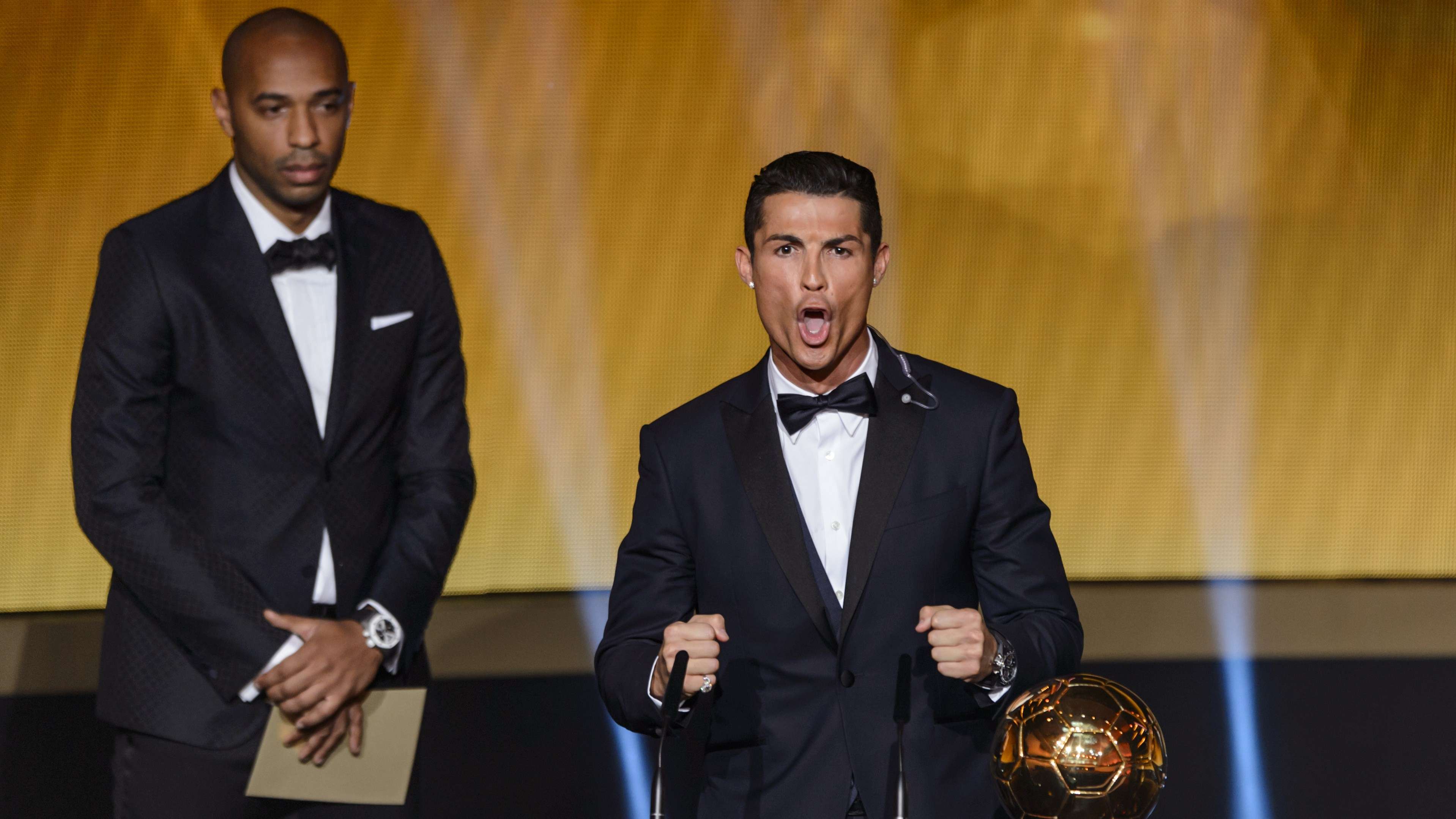
Kylian Mbappé has reached the highest position of his Ballon d’Or career so far, but former winner Jean-Pierre Papin believes the French forward’s public campaign for the award may have damaged his chances. The 1991 Ballon d’Or recipient has questioned Mbappé’s media approach while remaining confident that the Real Madrid star has the talent to win football’s most prestigious individual prize in the future.
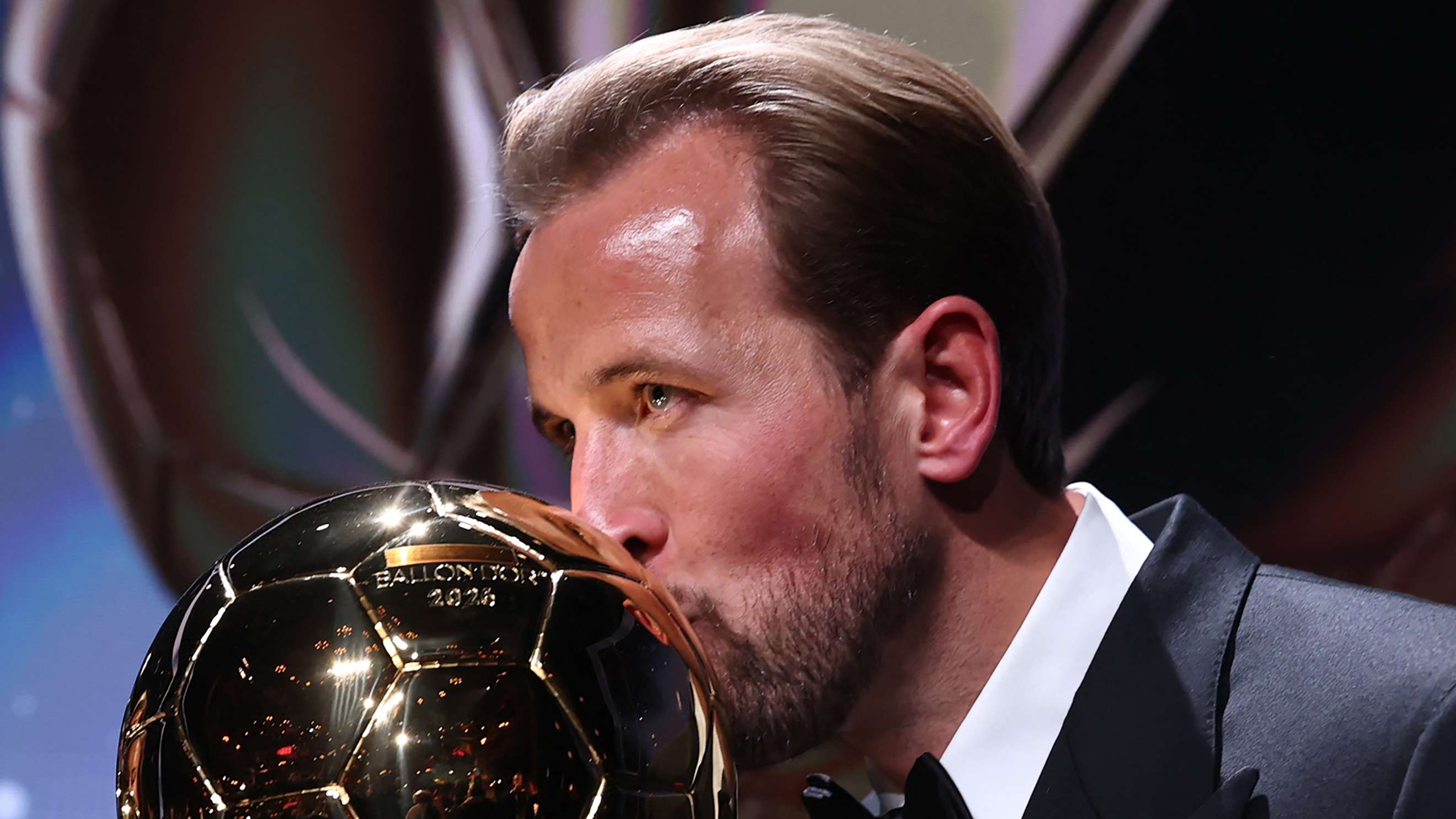
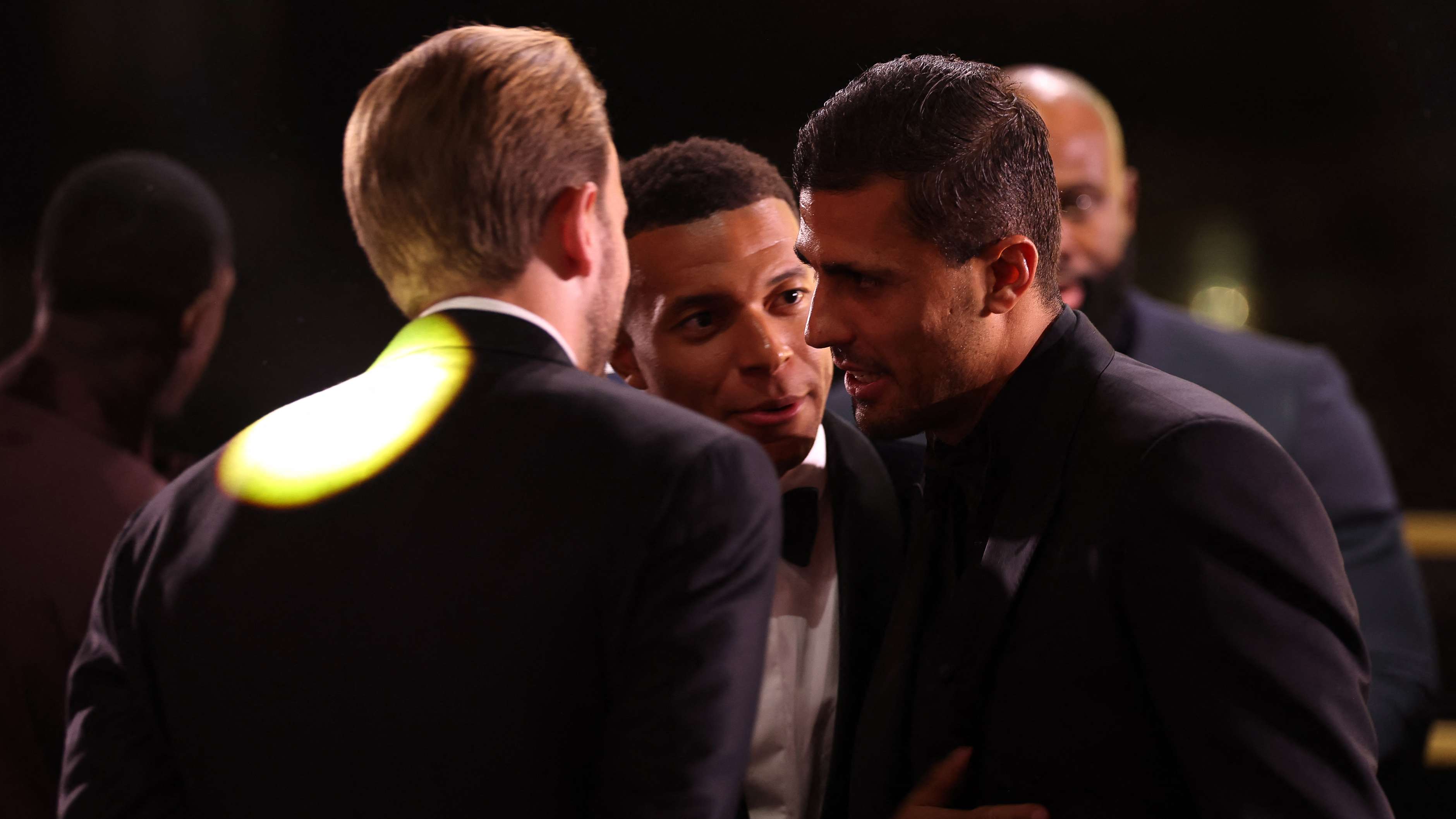
Mbappé finished second in the 2026 Ballon d’Or voting, behind England captain Harry Kane. It was the 27-year-old’s best result after years of steadily improving and fluctuating finishes among the world’s leading players. Yet the outcome came after Mbappé made a forceful case for his own candidacy, telling France Football magazine the previous month: “There is no one better than me last season.”
Speaking on Wednesday on RMC radio’s Rothen s’enflamme programme, Papin suggested that the statement and the wider tone of Mbappé’s campaign may have had an unintended effect. In his view, a player’s performances matter most, but public messaging can also shape how voters and supporters interpret a Ballon d’Or bid.
Papin questions the forward’s public approach
“Mbappé’s communication was catastrophic for him,” Papin said, arguing that the forward’s comments risked reflecting a personality that could be difficult for others to respond to. Papin added that the situation was disappointing given Mbappé’s ability and his position at Real Madrid, one of the most scrutinised clubs in world football.
The former Olympique de Marseille and AC Milan striker compared Mbappé’s status to that of Cristiano Ronaldo, suggesting that both players can be viewed as central figures around whom a team is expected to organise itself. Papin’s point was not that Mbappé lacks the quality to lead a side, but that the perception of a player’s expectations can become part of the conversation during an individual award race.
“In terms of effectiveness, he is not far from what Cristiano Ronaldo used to offer,” Papin said. “But his media campaign turned against him to some extent.” His comments underline a familiar challenge for elite footballers: confidence can strengthen a player’s public image, but an explicit claim to be the best may also invite closer scrutiny, particularly when the final vote goes elsewhere.
Second place marks a career-best Ballon d’Or finish
Despite missing out on the trophy, Mbappé’s 2026 result represents a significant step in his Ballon d’Or history. He placed seventh in 2017, fourth in 2018 and sixth in 2019. After another top-ten finish in 2021, he came sixth in 2022 and reached third place in 2023. His rankings then stood at sixth in 2024 and seventh in 2025 before he climbed to second in 2026.
That record shows both his longevity at the top level and the difficulty of converting sustained excellence into a Ballon d’Or win. The award is not decided by a single statistic or one standout performance. Voters weigh a player’s individual contribution, major trophies, decisive moments, consistency and influence over the season. The balance between those factors can shift from year to year, making the result difficult to predict even when a candidate has produced an exceptional campaign.
Mbappé’s second-place finish therefore gives him a new benchmark, but it also leaves a clear question for the seasons ahead: what combination of individual output, team success and public perception will be enough to move him from contender to winner?
A missed opportunity, not a final chance
Papin was critical of Mbappé’s campaign, but he did not suggest that the forward’s opportunity had passed. On the contrary, the former France international said he remained convinced that Mbappé would eventually win the Ballon d’Or because he possesses the necessary talent.
“This year was not his last chance,” Papin said. “It was indeed a great opportunity, but he still has a road he needs to travel.” The comment reflects the long-term nature of the award race. At 27, Mbappé remains at an age when he can compete for the prize across multiple seasons, provided he maintains his level and continues to deliver in the biggest matches.
For a player at Real Madrid, the route to recognition is closely tied to the club’s results as well as personal form. Success in major domestic and European competitions can strengthen a candidate’s case, while goals and performances in high-pressure fixtures often carry particular weight. A strong season does not guarantee a Ballon d’Or, but combining individual impact with team achievements can make an argument more persuasive.
What the 2026 result could mean for Mbappé’s next campaign
There is also a communication lesson in Papin’s assessment. Ballon d’Or contenders are naturally expected to believe in their own ability, and Mbappé’s confidence is part of what has helped establish him as one of football’s defining forwards. However, the debate following his comments suggests that how a player frames that confidence can influence the wider discussion around a prediction for the award.
Rather than relying on declarations, Mbappé’s strongest case may come through performances that leave little room for debate: consistent scoring, decisive contributions in major games and a leading role in a successful team. Those achievements would allow his football to carry the message, while reducing the risk that attention shifts from his work on the pitch to the way he promotes his candidacy.
For now, Kane’s victory places Mbappé just short of the prize, while Papin’s remarks have added another layer to the conversation around the result. The former Ballon d’Or winner has challenged the approach, not the potential. With a career-best second-place finish already secured, Mbappé remains firmly in the conversation—and Papin believes the French star still has time to turn future prediction into reality.