
Hansi Flick Keeps Barcelona Focused as Real Madrid Referee Controversy Continues
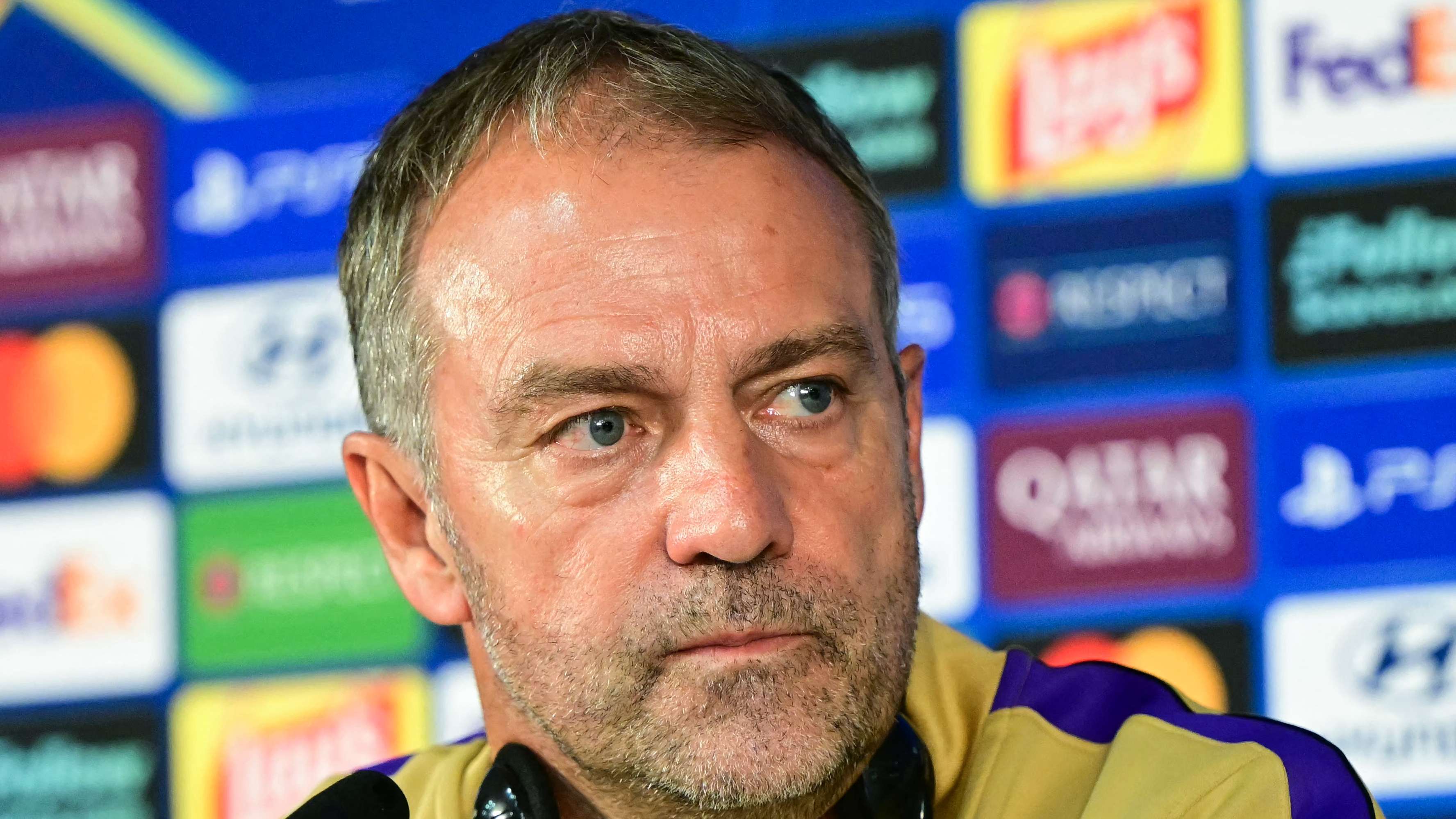
Barcelona head coach Hansi Flick has declined to be drawn into the debate surrounding Real Madrid and its relationship with match officials, choosing instead to keep attention on his team’s next European assignment. Speaking in Istanbul ahead of Barcelona’s Champions League challenge, Flick made clear that his priority is preparing his players—not adding another opinion to an already heated football discussion.
The controversy has attracted attention beyond Spain, prompting questions about officiating, club influence and the scrutiny placed on referees in high-profile matches. But Flick showed little interest in allowing the story to distract Barcelona as the club prepares for a demanding test in Europe. His message was measured: the issues surrounding other teams are not where his focus belongs.
Flick avoids being pulled into the debate
When asked about the continuing conversation involving Real Madrid and match officials, Flick did not offer a detailed assessment or take sides. Instead, he redirected attention to Barcelona’s immediate responsibilities. For a coach preparing for a Champions League fixture, that approach is understandable: public comments about a rival can quickly become a headline of their own, while offering little benefit to the players preparing for the match.
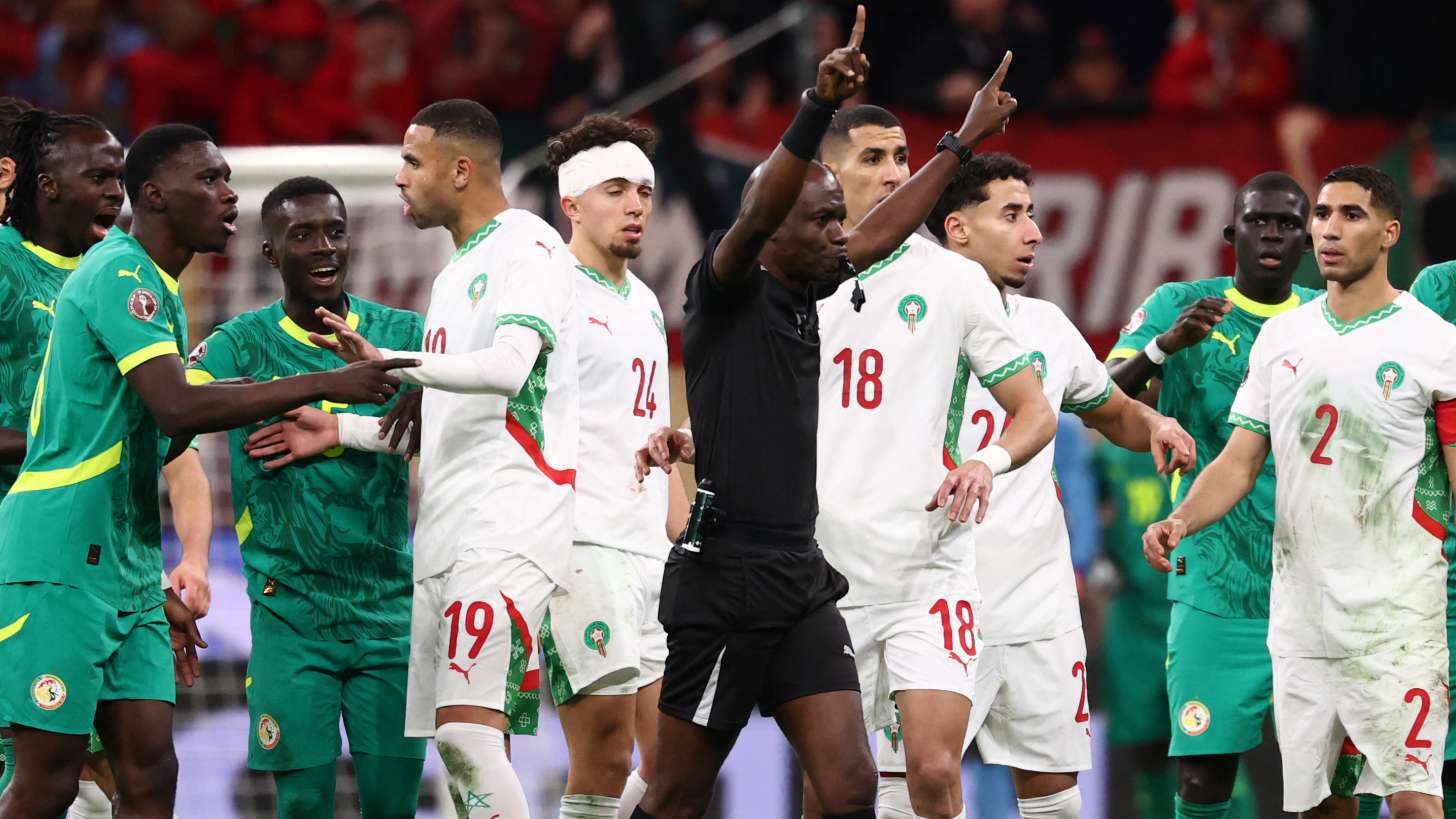
Flick’s response also reflects the delicate nature of discussions about refereeing. Decisions made during major games are closely examined by supporters, broadcasters and clubs, and claims about the way officials are treated can become part of a wider argument about fairness. Coaches are often asked to weigh in, particularly when a story involves one of their biggest rivals. Yet a carefully limited answer can prevent a manager from being drawn into a dispute that does not directly concern his team’s preparation.
Rather than letting the controversy define his media appearance, Flick kept the spotlight on Barcelona. That restraint may help the squad maintain a clear sense of purpose at a stage of the season when attention, energy and preparation all matter.
Barcelona’s Champions League task takes priority
Barcelona’s visit to Istanbul brings a different kind of pressure: the challenge of competing in the Champions League away from home. European fixtures demand concentration and adaptability, particularly in an unfamiliar setting where the atmosphere can be intense and the margin for error is small. Flick’s comments suggest that his immediate concerns are practical—how Barcelona will approach the match, manage its key moments and execute its game plan.
For the coaching staff, preparation extends well beyond choosing a starting eleven. It includes reviewing the opponent’s strengths, planning how to progress the ball, deciding when to press and ensuring players understand their responsibilities in both attack and defence. Travel and the demands of a busy schedule can also affect recovery and readiness. In that context, an external controversy is a distraction that Flick appears determined to keep at arm’s length.
Barcelona will need to balance ambition with control. A strong start can help settle a team in a difficult away environment, but rushing forward without structure may leave space for the opposition to exploit. The ability to remain composed after setbacks, respond to changes in momentum and make effective decisions in the final third often proves decisive in Champions League football.
Why the officiating discussion matters
Although Flick chose not to engage with the Real Madrid issue, the wider debate highlights how central refereeing has become to modern football coverage. Every major decision can be replayed from multiple angles, discussed in real time and scrutinised long after the final whistle. Technology has increased the amount of information available, but it has not removed disagreement. Supporters may still interpret the same incident differently, while clubs and coaches can face pressure to explain whether they believe decisions were consistent.
That attention can create a difficult environment for officials, whose decisions are made under intense scrutiny and within the time limits of a live match. It also presents a challenge for managers. Speaking openly can satisfy supporters who want a clear position, but it may risk escalating tensions or shifting focus away from football. Flick’s decision to remain focused on Barcelona’s next match is one way to avoid becoming part of a debate with no immediate bearing on his team’s performance.
The distinction is important: declining to comment does not resolve questions about officiating, nor does it signal that the subject is unimportant. It simply keeps the coach’s public message aligned with the task in front of his players. For Barcelona, the most useful contribution Flick can make is likely to come through tactical preparation and leadership rather than commentary on a rival’s relationship with officials.
What Flick’s approach could mean for Barcelona
Managers set the tone for their squads, and their public remarks can influence how players and supporters interpret the week’s headlines. By refusing to let the controversy dominate his comments, Flick has reinforced a straightforward message: Barcelona must concentrate on its own performance. That does not guarantee success, but it can help reduce unnecessary noise around the team before a significant European fixture.
The approach also fits the demands of a long campaign. Clubs regularly move between domestic football and continental competition, with little time to dwell on events outside their control. Maintaining focus requires players to separate relevant analysis from background distraction. For Barcelona, the questions that matter most are likely to concern pressing triggers, defensive organisation, attacking movement and the ability to turn promising situations into clear chances.
Supporters looking for a prediction of the match should therefore treat Flick’s comments as a sign of discipline rather than a clue to the result. His refusal to discuss Real Madrid offers no direct indication of Barcelona’s tactical choices or chances in Istanbul. The more meaningful factors will be the team’s form, selection, fitness, ability to handle the atmosphere and performance across the full 90 minutes.
A deliberate message ahead of a major test
Flick’s remarks from Istanbul were brief in substance but clear in direction. While the controversy surrounding Real Madrid and match officials continues to attract attention, Barcelona’s coach has chosen not to add fuel to it. His focus remains on the Champions League and the challenge facing his own squad.
That decision leaves the wider debate to continue without him, while Barcelona turns toward the work required on the pitch. In a competition where concentration can be as important as technical quality, keeping distractions under control may prove valuable. Flick’s priority is not to shape the latest football argument—it is to prepare Barcelona to meet its next European test with clarity, discipline and purpose.