
Luis Enrique Sets Higher Standards as PSG Prepare for Manchester City Test
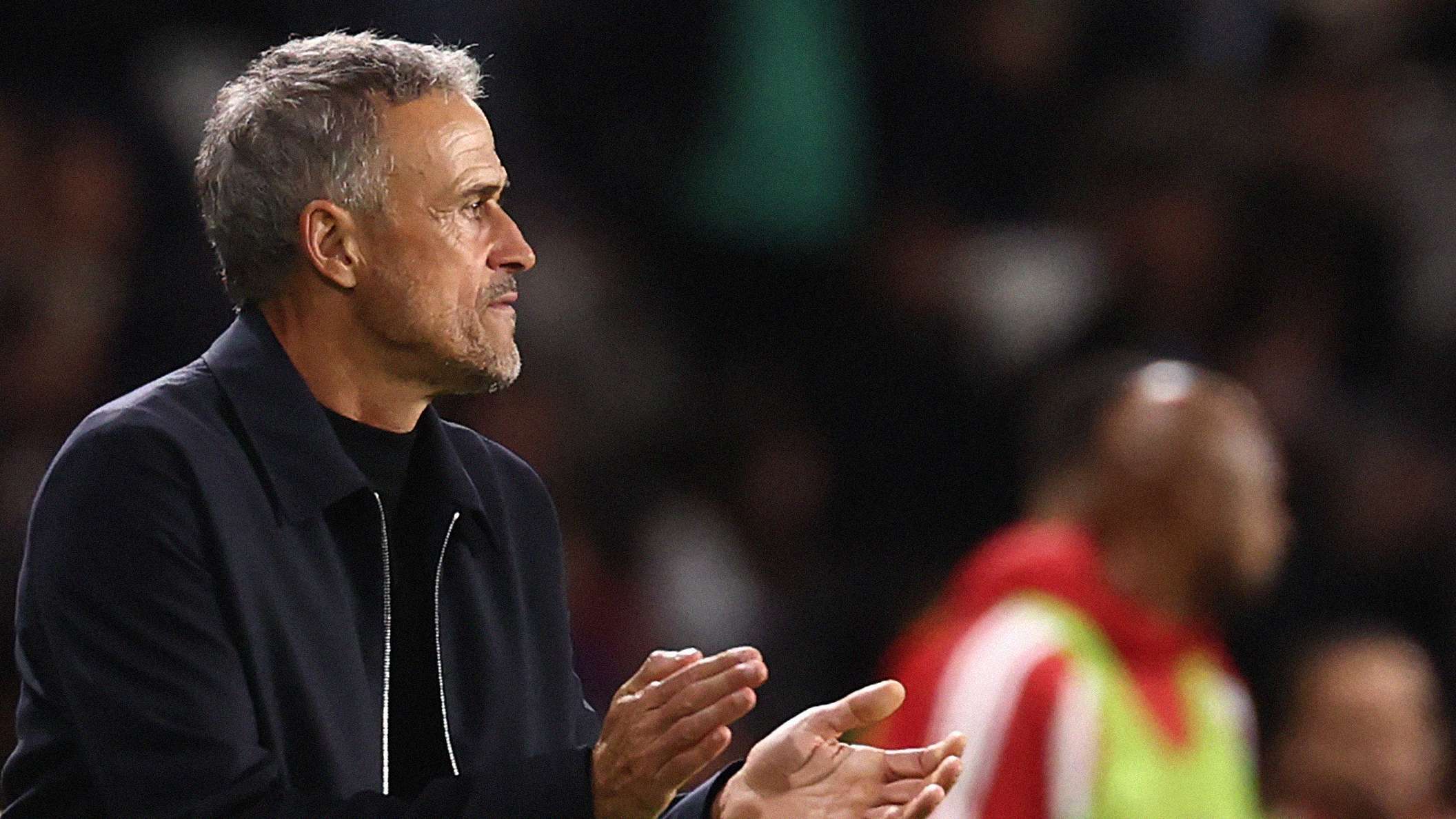
Paris Saint-Germain coach Luis Enrique says his achievements in France have not eased the pressure he feels. Instead, each success has strengthened his sense of responsibility—and his determination to win more trophies with the club.
The Spanish manager’s comments come as PSG prepare for a demanding away fixture against Manchester City in the Champions League. The meeting offers an early measure of the Paris side’s progress and presents a tactical challenge against one of Europe’s most accomplished teams. For supporters considering a football prediction, the contest is likely to hinge not only on individual talent but also on which side can impose its style and make better decisions under pressure.
A New Contract Brings New Expectations
Enrique recently extended his contract with PSG, but he says the agreement has not made him more relaxed. Speaking to the club’s media channel, he explained that a longer commitment brings an additional obligation to show he remains the right person to lead the team.
“I have extended my contract, and now I have greater pressure to prove that I am ready to continue and that I want to win more titles with Paris Saint-Germain,” Enrique said.
He also rejected the idea that praise should reduce his hunger. Knowing that supporters and club officials are pleased with his work is gratifying, he said, but it does not change the standards he sets for himself. For Enrique, trust is something to honour through continued effort, not a reason to become comfortable.
The coach described the emotional side of the job as one of its greatest rewards. Seeing his work produce meaningful moments for players, supporters and their families gives him satisfaction. At the same time, those moments reinforce his belief that he must keep earning the confidence placed in him.
Why Enrique Wants Players to Think for Themselves
One of the clearest themes in Enrique’s approach is his emphasis on understanding the game rather than simply following instructions. He does not want a team that depends on the coach to dictate every movement. Instead, he wants players who can read changing situations and choose the right response for themselves.
“I do not want to be a coach who is constantly issuing orders and dictating to the players what they must do,” he said. “They have to understand the game in order to take the best decision at every moment. That is the foundation.”
That philosophy can be especially important in high-level European football, where opponents press aggressively and tactical patterns can change within seconds. Players may have little time to look toward the touchline for guidance. A side that understands its principles can adjust its positioning, find space and respond to danger without losing its shape.
Against Manchester City, that ability could prove significant. PSG will need to recognise when to build patiently, when to move forward quickly and how to protect themselves when possession is lost. Enrique’s approach suggests he wants his players to make those choices collectively, rather than rely on a rigid sequence of commands.
High Standards, Personal Connection
Enrique’s management style combines demanding expectations with a close relationship with his squad. His comments point to a working environment in which humour and personal connection can sit alongside discipline and accountability. The aim, as his remarks suggest, is not simply to keep players happy but to create the trust needed for them to perform and take responsibility.
He also praised PSG president Nasser Al-Khelaifi and sporting director Luis Campos, acknowledging the people who help shape the club’s sporting project. Success at a major team depends on more than a coach’s ideas: recruitment, planning and support from the leadership all influence whether a squad can compete consistently.
That wider context matters as PSG pursue further honours. The club has invested heavily in building a team capable of challenging in France and Europe, while Enrique has been tasked with giving that group a clear identity. His insistence on shared understanding suggests that he sees the collective structure—not just star power—as central to long-term progress.
Following His Own Path
Enrique is also reluctant to measure his career against other coaches. Football debates often turn quickly to trophy counts, records and comparisons, but he says he has no desire to improve his résumé simply to move ahead of his peers. Every coach, he argued, has a different way of working and a separate path to follow.
Rather than focus on outside rankings, Enrique says he returns to two basic questions: whether his team is playing in the way he believes it should, and whether it is losing in a manner consistent with its principles when defeat cannot be avoided.
That distinction is important. Results remain vital at a club with PSG’s ambitions, but Enrique’s comments suggest he does not want one poor performance to trigger a complete abandonment of his ideas. A defeat should prompt honest analysis—of decisions, preparation and execution—without automatically leading to panic.
His approach does not mean he considers himself infallible. Enrique acknowledged that experience has given him valuable knowledge, but stressed that it does not make him right all the time. He believes there is always room to learn, adapt and improve, a mindset that may be essential in a competition where opponents constantly test a team’s weaknesses.
What to Watch in PSG’s Champions League Clash
The upcoming match with Manchester City will offer a practical test of the principles Enrique describes. PSG’s ability to make quick decisions, stay composed under pressure and maintain their identity could shape the contest as much as the quality of their attacking players. City, meanwhile, are likely to challenge the hosts’ concentration with sustained possession and coordinated pressing.
Any football prediction for the fixture should account for those tactical factors as well as form, availability and the demands of an away match. A single encounter cannot define an entire season, but it can reveal how effectively PSG’s players have absorbed Enrique’s ideas when the stakes rise.
For the Spanish coach, the broader objective remains clear: continue developing the team, compete for major titles and justify the confidence shown in him. He also expressed gratitude for the respect PSG supporters have given him, including on a personal level. That connection, he said, means a great deal—but it does not lessen his ambition.
Enrique’s message is ultimately one of gratitude without complacency. PSG’s past successes matter, but they do not guarantee future ones. With a major European challenge ahead, he is asking his players to think independently, trust their shared principles and keep striving for more.