
Luis Enrique Warns PSG Against Complacency After 4-2 Win Over Manchester City
Paris Saint-Germain’s 4-2 victory over Manchester City in the UEFA Champions League delivered a dramatic night of football, but Luis Enrique was not entirely satisfied with how his team handled the contest. PSG led 3-0 at half-time after an incisive, high-energy first-half display, only to face a fierce City comeback that made the result uncertain until late in the match.
The Spanish coach praised his players for breaking through City’s pressing game before the interval, while also admitting that PSG lost control after the restart. For Enrique, the scoreline at half-time was not a guarantee of victory. In fact, he suggested that the three-goal advantage may have contributed to a drop in concentration as the home side committed more players forward.
Why a 3-0 Half-Time Lead Made Enrique Uneasy
Speaking after the match, Enrique described the encounter as a thrilling meeting between two teams committed to attacking football and aggressive pressing. The pace and intensity, he said, matched what he had expected from a contest between sides of this quality.
PSG had found ways to escape Manchester City’s pressure in the first half and turned those openings into a commanding lead. Yet Enrique said he does not enjoy going into the dressing room with such a large advantage. A score of 3-0 can create a sense of comfort, while the team trailing has little choice but to take greater risks.
That change in mindset shaped the second half. City pushed forward in numbers, sometimes leaving only one player behind the ball. The approach increased the pressure on PSG’s defence and created a more open, unpredictable match. Enrique acknowledged that his side made mistakes while trying to cope with the shift in momentum.
Manchester City’s comeback put PSG under pressure
City’s response showed why a substantial lead can be fragile in elite European football. With three goals to recover, the English side attacked with urgency and overloaded the forward areas. PSG, who had pressed effectively before the break, found it harder to disrupt City’s build-up and protect the space in front of their defence.
Enrique said his team faced serious problems after half-time and conceded that the result could have gone the other way if events had been less favourable. His comments reflected the narrow margins that often define Champions League matches: a team can dominate one period, then be forced to survive when its opponent changes the tempo and takes greater risks.
The match also featured moments that underlined its dramatic swings. PSG managed to add a fourth goal through Magnes Akliouche despite City’s pressure, while Ferran Torres missed a penalty for the hosts. Those incidents helped preserve PSG’s advantage, but they did not erase the difficulties the visitors experienced during City’s rally.
Enrique credits luck as well as PSG’s performance
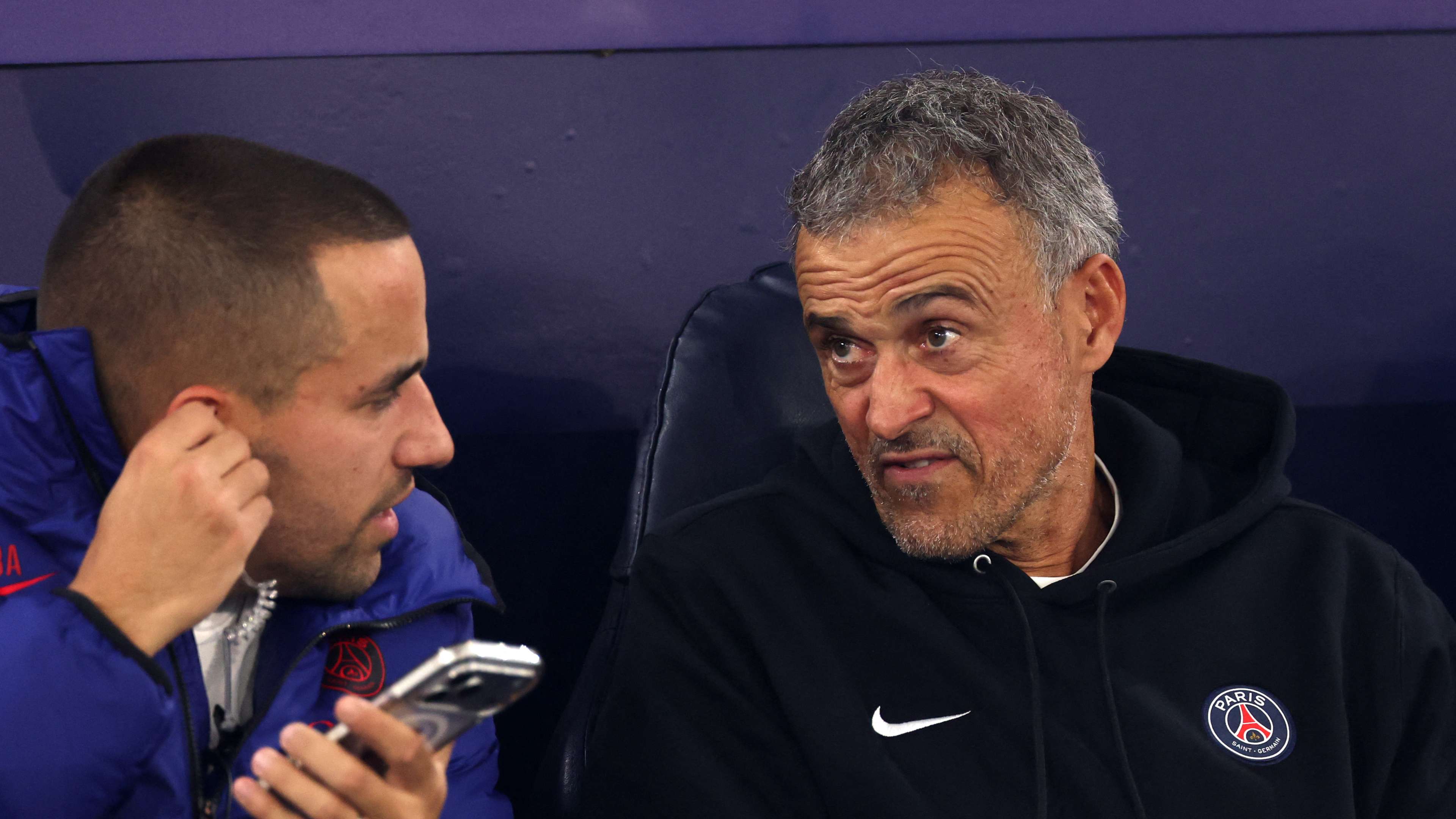
The PSG coach was candid about the role of fortune. He recalled speaking with assistant coach Rafael Pol during the second half and telling him that luck had finally gone Paris’s way. Enrique contrasted the night in Manchester with earlier French league matches in which opponents had appeared to score from a high proportion of their chances.
His point was not that PSG’s win was undeserved. Rather, he recognised that a high-stakes football match can turn on small details: a missed penalty, a defensive intervention or a chance taken at the right moment. Enrique described the contest as one in which the balance of events was difficult to predict, even with PSG ahead by three goals at the interval.
That honesty may be useful for a team looking to progress deep into the competition. A strong result can boost confidence, but reviewing the periods of vulnerability is just as important. PSG will need to show they can maintain their structure when opponents respond aggressively, particularly against teams capable of sustaining pressure and creating chances in quick succession.
What the result means for PSG’s Champions League campaign
Winning in England against a leading Premier League side was a significant achievement for PSG, Enrique said, and one that could provide motivation. However, he rejected the idea that the victory was intended as a message to the rest of Europe or proof that his team is already the competition’s strongest contender.
For Enrique, the most important measure will come later in the season. He argued that being considered the best team at this stage matters less than reaching the decisive rounds in strong condition. His stated ambition is for PSG to arrive in March ready to compete when the Champions League reaches its most demanding phase.
That approach reflects the long-term nature of a European campaign. One impressive result can strengthen belief, but consistency, fitness and the ability to adapt during matches are what usually determine how far a team goes. PSG’s performance in Manchester offered evidence of their attacking quality, while the second-half scare highlighted areas that still need attention.
Football prediction: lessons from a high-tempo contest
For supporters assessing PSG’s prospects, this result offers both encouragement and a note of caution. The Parisians demonstrated that they can create chances and punish a high press, but City’s comeback showed that their defensive control can be tested when the opposition commits heavily to attack.
Any football prediction about PSG’s Champions League chances should therefore account for both sides of the performance. Their ability to produce a dominant first half is a major strength; maintaining concentration and defensive balance after taking the lead will be equally important. Against top-level opponents, a three-goal cushion can quickly become uncomfortable if the team in front stops winning duels or allows the match to become stretched.
Ultimately, the 4-2 win was a valuable result, not a guarantee of future success. Enrique’s response made clear that PSG will take confidence from beating Manchester City, but will also study the moments when the game threatened to slip away. That combination of ambition and realism could prove crucial as the club targets a place among the Champions League contenders in the spring.