
Fran Soto Defends Spanish Referees as Real Madrid–Sevilla Dispute Builds Before El Clásico
Spain’s refereeing chief Fran Soto has defended the standard of the country’s match officials amid a fresh controversy following Real Madrid’s meeting with Sevilla. Speaking in Madrid with El Clásico just days away, the president of the Technical Committee of Referees (CTA) acknowledged that disputed decisions and human errors are part of football, while insisting that Spanish referees remain among the best in the world.
The comments came as debate continued over several incidents at the Santiago Bernabéu, including a confrontation involving Real Madrid midfielder Arda Güler and Sevilla player Peque. Sevilla has requested access to the relevant Video Assistant Referee (VAR) recordings, adding another chapter to a dispute that has drawn attention across Spanish football.
Soto backs the quality of Spain’s match officials
Soto addressed the issue at a refereeing forum held at the Spanish Olympic Committee’s headquarters. He described the season’s overall refereeing level as positive, while conceding that some decisions remain open to interpretation. His central message was clear: the existence of controversial calls does not, in his view, undermine the ability of the officials as a group.
“I am convinced that their average level is the best in the world,” Soto said, according to Spanish sports outlet Mundo Deportivo. He added that any referee in the country should be capable of handling any match and reiterated his confidence in the committee and its staff.
The remarks amount to a firm show of support at a particularly sensitive point in the calendar. When major clubs disagree with decisions, criticism can quickly spread from post-match interviews to television analysis and social media. With El Clásico approaching, every call is likely to receive even closer scrutiny, making the CTA’s public defence of its officials especially significant.
Pressure, criticism and the demands of high-stakes football
Soto said referees must concentrate on their responsibilities rather than become consumed by comments from clubs, coaches, players or the media. He accepted that those involved in football have the right to express their views, but argued that officials need to maintain distance from the pressure surrounding their decisions.
“We have to focus on our work,” he said, stressing the importance of preparation and consistent performance. Soto also noted that the committee is aware of the heightened attention that accompanies El Clásico week and is working to ensure the appointed referees are ready for the occasion.
That preparation is demanding. Spain’s top-flight officials operate in a professional environment where decisions can shape a match, influence a title race and dominate the news cycle for days. The pressure is amplified in games involving Real Madrid and Barcelona, where a single penalty, red card or offside call can become the main talking point long after the final whistle.
“Mistakes are part of the sport”
While Soto was emphatic in his support for Spanish referees, he did not claim that officials are infallible. Instead, he acknowledged that mistakes have occurred, continue to happen and will happen in the future. In his view, technology can reduce the number of errors, but it cannot remove uncertainty from every decision.
“Mistakes are an integral part of the sport,” Soto said, explaining that referees must learn to live with that reality while using the available tools to improve accuracy. His comments reflect a broader challenge for modern football: VAR can provide additional angles and opportunities to review key incidents, but interpretations of contact, intent and the seriousness of an offence can still differ.
VAR is designed to correct clear and obvious errors in specific situations, not to re-referee every passage of play. That distinction can be difficult for supporters to accept when they believe a decision has changed the course of a match. It also helps explain why access to recordings and communication between officials have become central issues whenever controversy arises.
Sevilla seek VAR recordings after Bernabéu incident
The dispute took a new turn when Soto confirmed that he would meet a Sevilla delegation, led by the club’s president, at the Spanish Football Federation’s headquarters in Las Rozas. Sevilla wants to review the VAR recordings connected to the incident between Güler and Peque, as well as other moments from the match against Real Madrid.
The request gives the club an opportunity to seek clarification directly from the federation after a game that has generated extensive discussion. It does not necessarily mean that the original decisions will be changed, but it underlines the importance clubs place on understanding how key moments were assessed and what information was available to the officials.
For supporters, the recordings may offer useful context about the review process. However, transparency alone may not settle every disagreement. Even when the sequence of events is clear, the interpretation of a challenge or the threshold for intervention can remain contentious—particularly when a match carries major sporting consequences.
What the controversy means for El Clásico
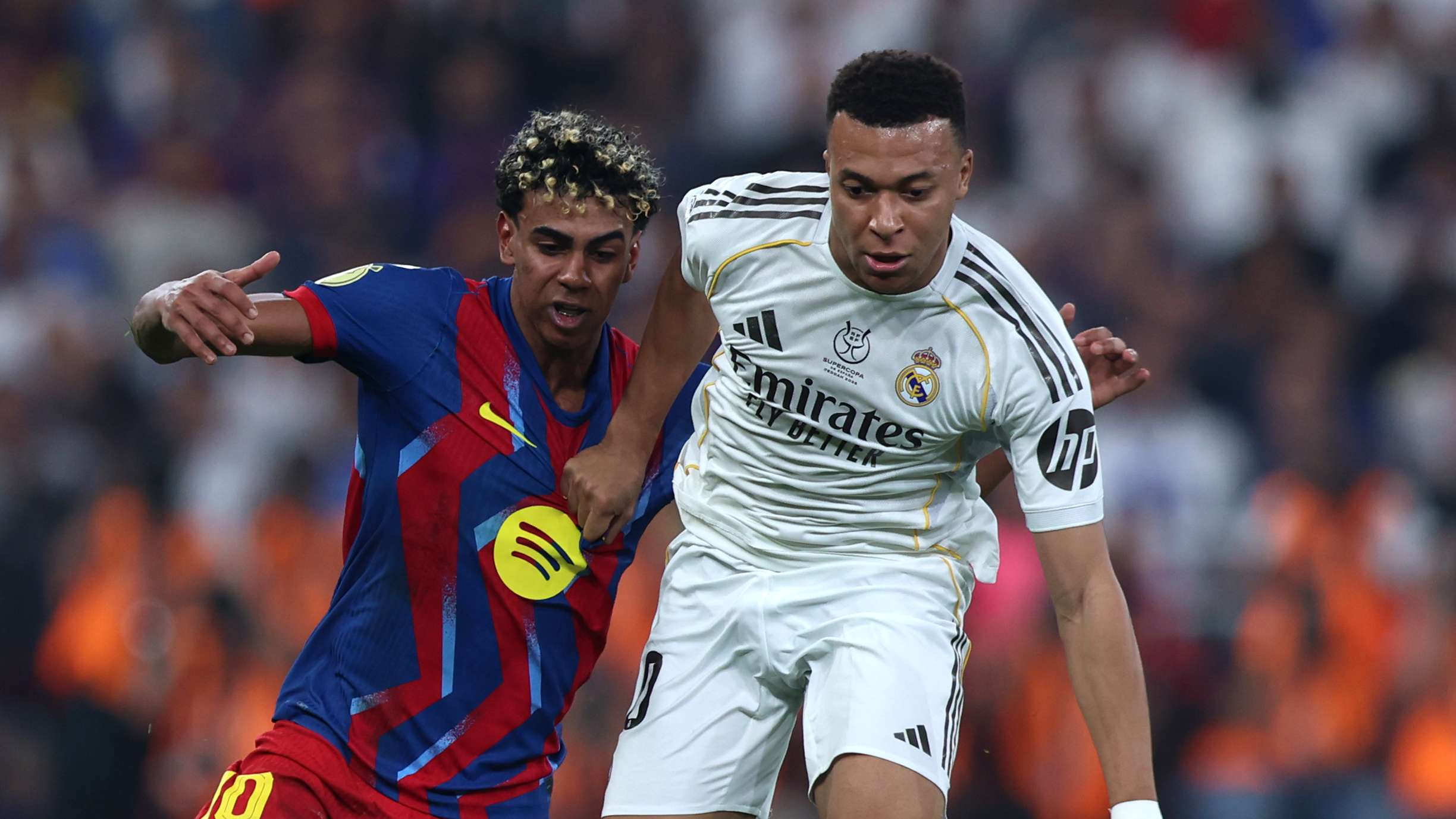
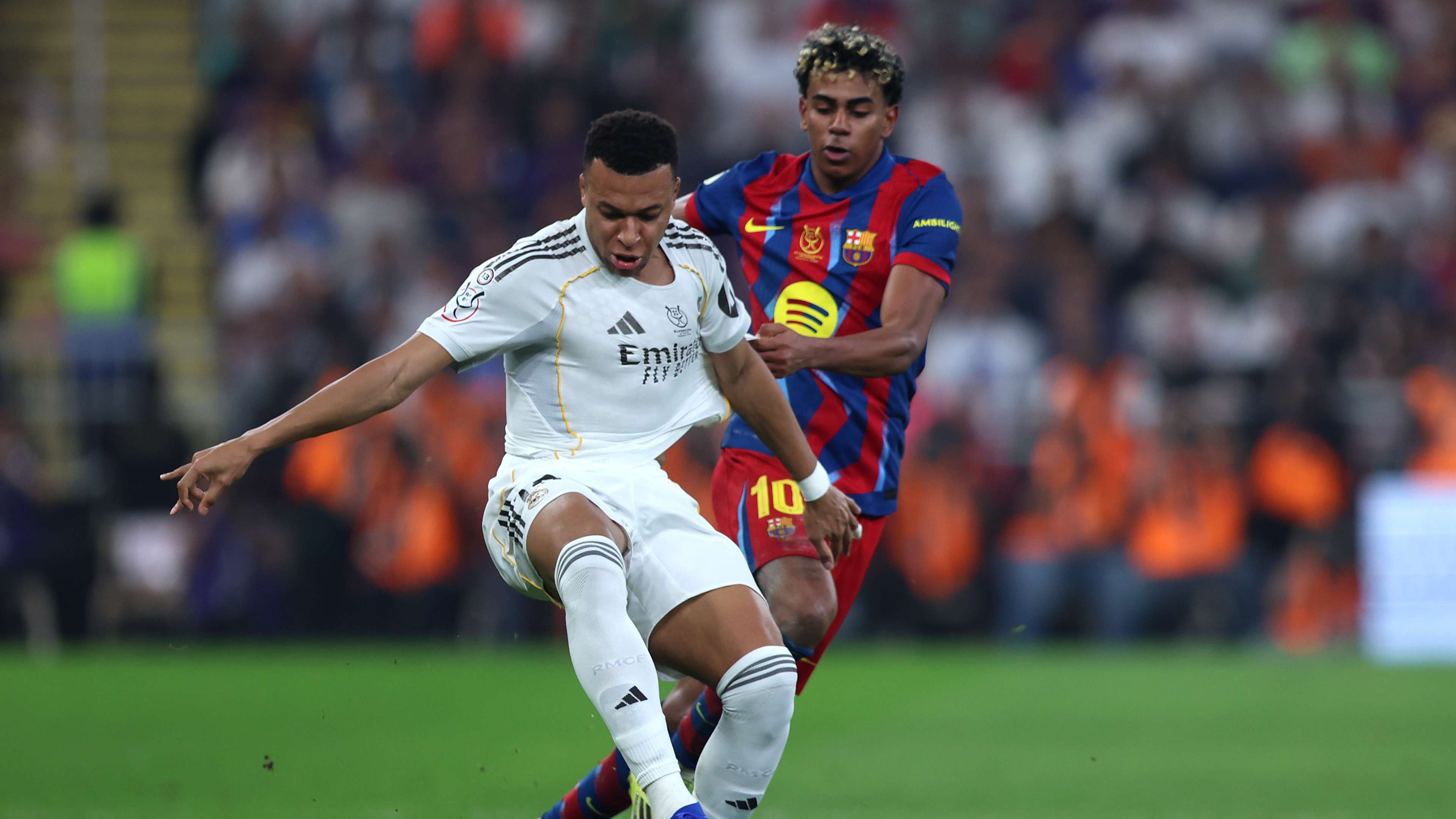
The timing of the Real Madrid–Sevilla debate is likely to intensify attention on the next Clásico. Fans and analysts will be watching not only the players but also the referee’s approach to physical challenges, disciplinary decisions and VAR reviews. That scrutiny is familiar in one of football’s most prominent fixtures, but recent controversy has placed officiating even more firmly in the spotlight.
Any prediction about how a high-profile match will be refereed should be treated cautiously: officials cannot guarantee a game without debate, just as players cannot guarantee a contest without mistakes. The practical goal is to apply the laws consistently, communicate effectively and use technology where the protocol allows. Soto’s message is that Spanish referees are preparing to do precisely that, despite the noise around them.
For now, the CTA has publicly backed its officials, while Sevilla is pursuing answers about the Bernabéu incidents. The coming days will show whether the meeting and requested VAR material ease the dispute or keep it alive as the focus shifts to El Clásico. In a sport defined by fine margins, the conversation is unlikely to end with one statement—or one review.