
Dejan Kulusevski Returns: Why Tottenham Should Take a Patient Approach
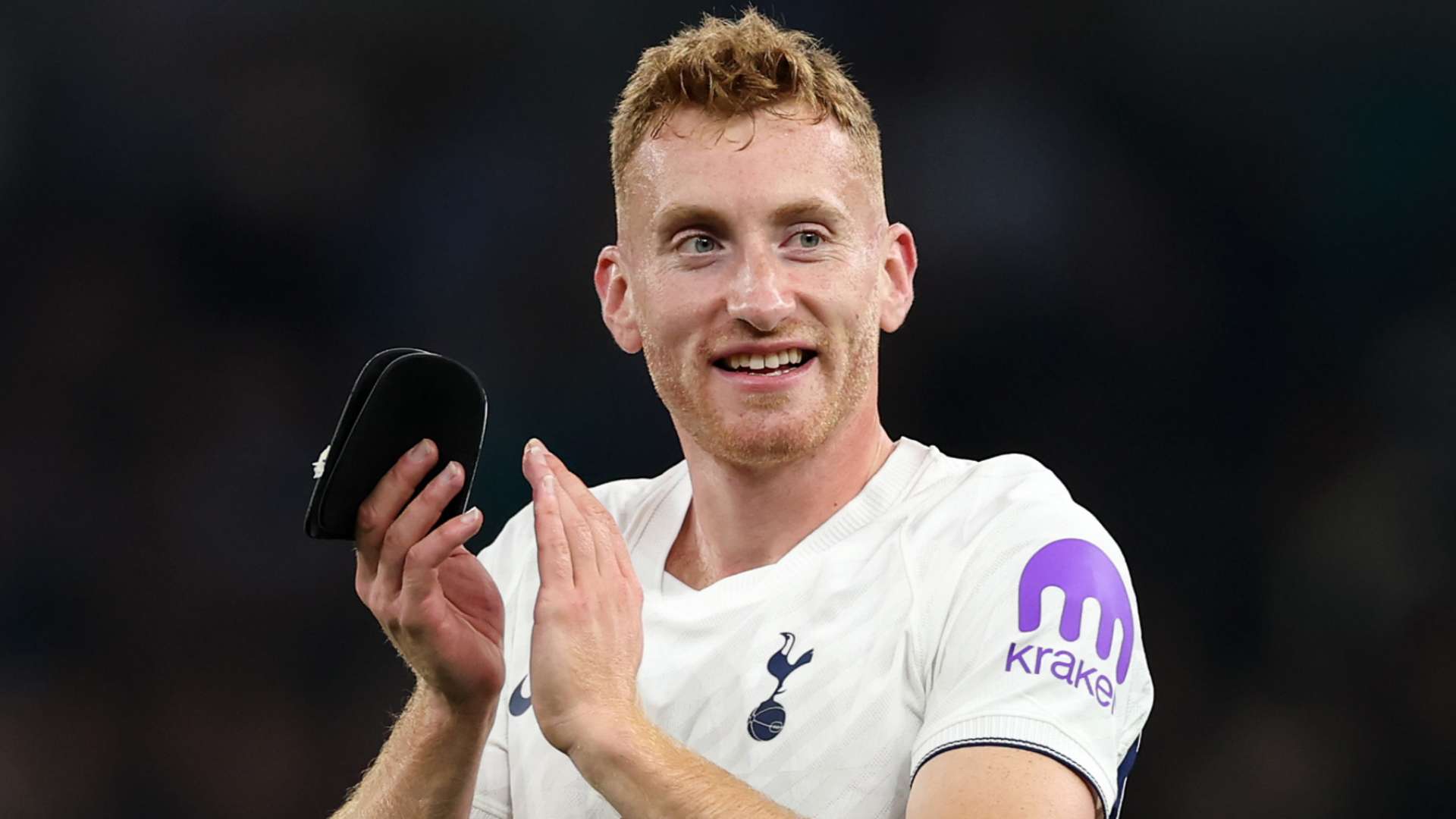
Dejan Kulusevski is back on the pitch after an injury-enforced absence lasting 526 days, a milestone that offers Tottenham Hotspur and their supporters reason for optimism. Yet his return also raises a difficult question: can the Sweden international rediscover the form and influence that made him such an important part of Spurs’ attack?
Former Tottenham midfielder Gus Poyet believes the club should resist the temptation to rush the winger back into a demanding role. Speaking to GOAL, Poyet stressed that Kulusevski’s recovery deserves to be handled carefully, with no unnecessary risks taken after such a prolonged and challenging spell away from competitive football.
A Long Road Back to Competitive Football
For any professional footballer, a lengthy injury absence affects far more than match fitness. It can interrupt training routines, limit opportunities to build strength and sharpness, and make the return to full-intensity competition a gradual process. After 526 days away, Kulusevski is not simply trying to regain his place in the Tottenham team; he is also working to restore the physical rhythm and confidence that regular football can provide.
His return to action is therefore an important first step, rather than proof that the recovery process is complete. Match appearances can help a player rebuild timing, decision-making and comfort under pressure, but those qualities often come back at different speeds. A footballer may feel ready to contribute while still needing time to handle the repeated sprints, challenges and workload of a full schedule.
That distinction matters for Tottenham. The club will want Kulusevski’s creativity and attacking instincts available, but the priority should be ensuring that his comeback is sustainable. A cautious plan can allow him to increase his minutes progressively, giving coaches and medical staff the chance to assess how he responds between appearances.
Gus Poyet’s Case for Patience
Poyet’s message is straightforward: there is no need to take risks with a player who has only just emerged from a difficult fitness period. The former Spurs star understands the excitement surrounding Kulusevski’s return, but enthusiasm should not dictate the pace of his reintegration. Tottenham need to consider the bigger picture, not just the immediate boost that the winger could offer in a particular match.
That approach may mean carefully managed minutes, planned recovery time and a gradual increase in training intensity. It could also require patience from supporters who are eager to see Kulusevski start regularly. While a limited role may appear conservative, it can give him the best opportunity to build consistency without placing excessive demands on his body too soon.
There is also a tactical benefit to a measured return. Tottenham can reintroduce Kulusevski in situations that suit his strengths, allowing him to regain confidence while contributing to the side. Rather than expecting him to carry the attack immediately, the coaching staff can use his ability to link play, hold up possession and create opportunities as part of a broader team effort.
What Kulusevski Could Bring Back to Tottenham
At his best, Kulusevski offers more than pace or direct running. He can operate across the attacking line, combine with teammates in tight spaces and use his left foot to deliver dangerous passes or shots. His work rate and willingness to compete also make him useful in a team that needs attackers to contribute when possession is lost.
Those qualities could be valuable as Tottenham look to maintain variety in their forward play. A fit and confident Kulusevski can help connect midfield with attack, draw defenders away from teammates and create different angles in the final third. His return may give the manager another option when adapting to opponents, whether Spurs need to break down a compact defence or threaten in transition.
However, the player who returns after a long absence may not immediately resemble the one supporters remember. Sharpness can take time to rebuild, and the speed of decision-making that comes from regular competitive minutes cannot always be replicated in training. Tottenham should allow Kulusevski space to find his rhythm without judging his comeback solely by early statistics or isolated performances.
Managing Expectations Around the Comeback
For fans following Tottenham’s season, Kulusevski’s return naturally invites discussion about selection, goals and assists. But the most useful measure of progress may initially be less dramatic: completing training sessions, responding well to match minutes and gradually becoming more comfortable in high-intensity situations. Those signs can indicate that the comeback is moving in the right direction, even before his attacking output reaches its previous level.
There is no guaranteed timetable for a footballer to return to peak form after a lengthy injury layoff. Recovery depends on the individual, the nature of the problem and how the player responds to increasing demands. Avoiding a rushed comeback does not guarantee that there will be no setbacks, but it can reduce the pressure to make decisions based on short-term needs alone.
That is why Poyet’s advice is especially relevant. Tottenham have reason to be encouraged, but they should treat Kulusevski’s return as a process rather than a single event. A carefully managed schedule can protect the player, support his confidence and give the club a clearer picture of what he can contribute as the season develops.
Tottenham Comeback Prediction: Progress Before Promises
Any prediction about Kulusevski’s long-term impact should come with caution. His return gives Tottenham a potentially valuable attacking option, but it is too early to assume that he will immediately reclaim a regular starting role or reproduce his best performances. The most realistic expectation is a gradual reintegration, with his influence growing as his fitness and match sharpness improve.
If Spurs remain patient, Kulusevski could become an important contributor again. His technical ability, creativity and versatility remain valuable assets, while regular involvement may help him rebuild confidence. But the club’s first objective should be to help him stay available, not to demand an instant transformation.
After 526 days away, simply returning to competitive football is a significant achievement. The next stage will require discipline from the player, careful planning from Tottenham and understanding from supporters. As Poyet’s comments underline, the smartest path forward may be the slow one: protect Kulusevski’s recovery, build his workload step by step and let his football do the talking when he is ready.