
Carragher Slams Bruno Fernandes After Manchester United’s 4-1 Defeat to Como
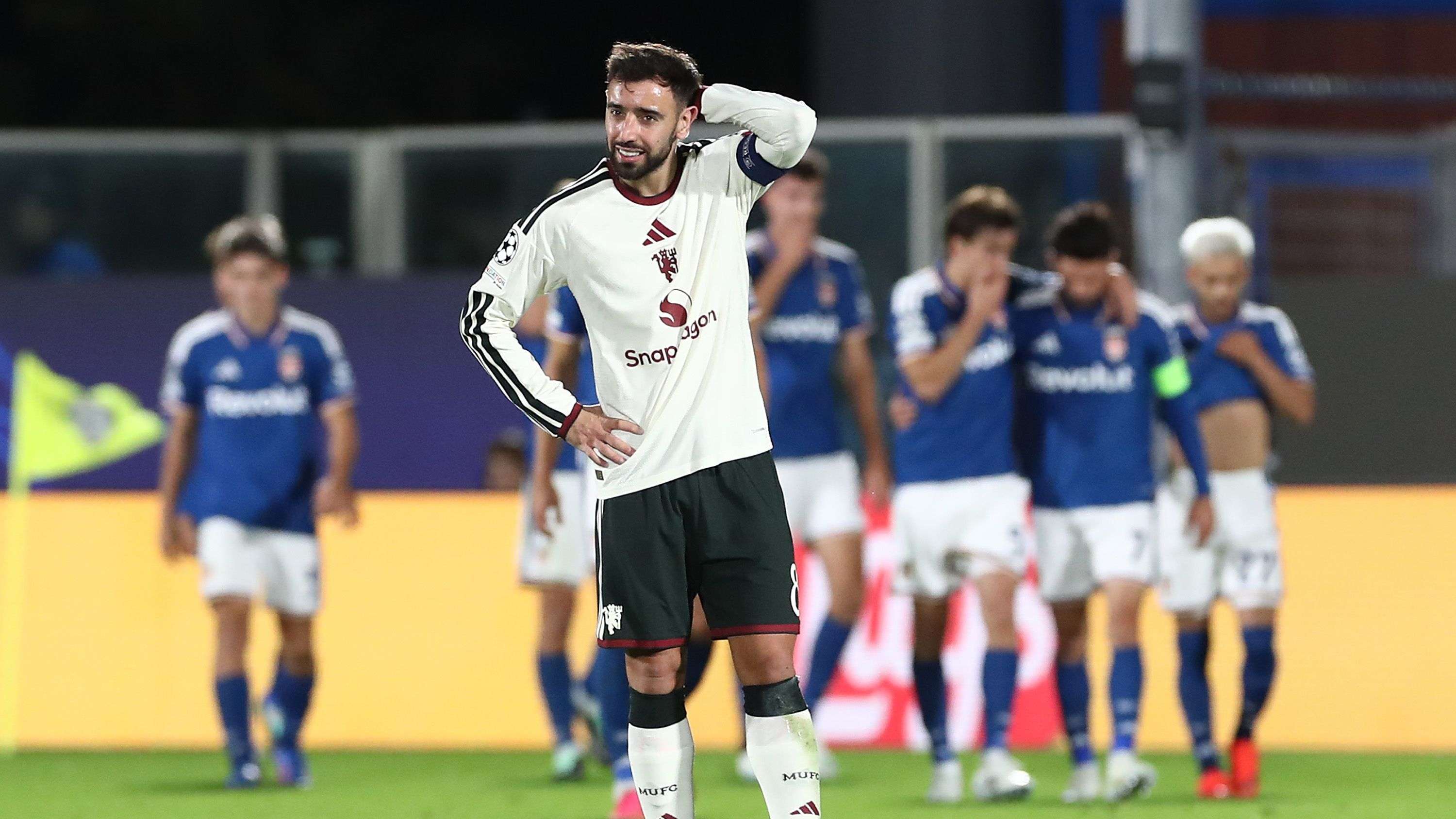
Manchester United’s 4-1 Champions League defeat to Como has sparked a heated debate about the club’s leadership, tactics and dressing-room standards. Former Liverpool defender and pundit Jamie Carragher has strongly criticised United captain Bruno Fernandes after he questioned manager Michael Carrick’s approach following Wednesday’s loss.
The argument centres on United’s pressing. Fernandes appeared to challenge the decision not to mark Como’s players man to man, while Carrick responded bluntly in his post-match press conference: “If you don’t run back, you won’t win.” Carragher backed the manager’s response, but warned that the damaging result could also place Carrick’s position under serious pressure.
Fernandes’ comments draw Carragher’s criticism
Speaking on CBS Sports, Carragher said Fernandes had crossed a line by publicly questioning the manager. He compared the captain’s remarks with recent comments from United defender Lisandro Martinez, who had criticised the club’s management after the team’s 2-0 loss to Atletico Madrid.
Carragher had already described Martinez’s intervention as inappropriate. He took an even firmer stance on Fernandes, arguing that a captain should support the manager publicly, particularly after a heavy defeat.
“For Bruno Fernandes to do it is a disgrace,” Carragher said, according to Sky Sports. He also suggested Fernandes owed Carrick some credit for the midfielder’s strong individual form in the previous season, when he won the club’s Player of the Year award. Carragher’s view was that Carrick had helped restore Fernandes to a role in which he could make a greater impact.
The former Liverpool star also linked Fernandes’ reaction to his substitution, suggesting the captain may have felt embarrassed by the decision. That interpretation remains Carragher’s opinion; the broader issue, however, is the public disagreement between a team captain and his manager at a difficult moment for the club.
United’s pressing problem goes beyond one tactical choice
The disagreement over man-to-man and zonal pressing points to a bigger challenge for United. Pressing is not simply a matter of chasing opponents. It requires coordinated movement, clear triggers and a willingness from every player to recover quickly when the first attempt to win the ball fails.
Carragher argued that United have struggled to press effectively for years and accused Fernandes of running without enough structure. In his assessment, constant movement can look energetic to supporters but may leave gaps if it is not coordinated with teammates. A player who presses alone can be bypassed, forcing others to cover ground and disrupting the team’s shape.
That distinction matters when assessing a football team’s work rate. Effort is visible, but effective pressing depends on timing and collective discipline. United’s performance against Como, as described in the source report, raised questions about whether the players were following a shared plan—or whether the team lacked the intensity required to execute one.
Carrick’s remark that players must run back reflects a basic principle of defensive organisation: when possession is lost, the whole side has to react. Without that response, even a well-designed tactical system can break down. The defeat therefore leaves United with questions that cannot be answered by debating one pressing method alone.
Carragher invokes Bryan Robson’s example
To underline what he believes the captaincy demands, Carragher compared Fernandes with former United captain Bryan Robson. Robson played during periods when the club did not win the league or European trophies every season, yet he remains widely admired by United supporters for his commitment and leadership.
Carragher said Robson continued to defend the club and did not turn on managers or teammates. By contrast, he criticised Fernandes for what he described as repeatedly showing frustration toward fellow players and challenging the manager after a poor performance. Carragher argued that such conduct is not appropriate for the captain of a club with United’s history and stature.
The comparison is significant because United’s captain is expected to do more than contribute on the pitch. The role also involves setting standards, communicating under pressure and helping maintain unity when results turn against the team. Whether Fernandes’ comments were intended as tactical criticism or frustration, their timing has made them a major talking point.
Como’s win adds to pressure on Manchester United
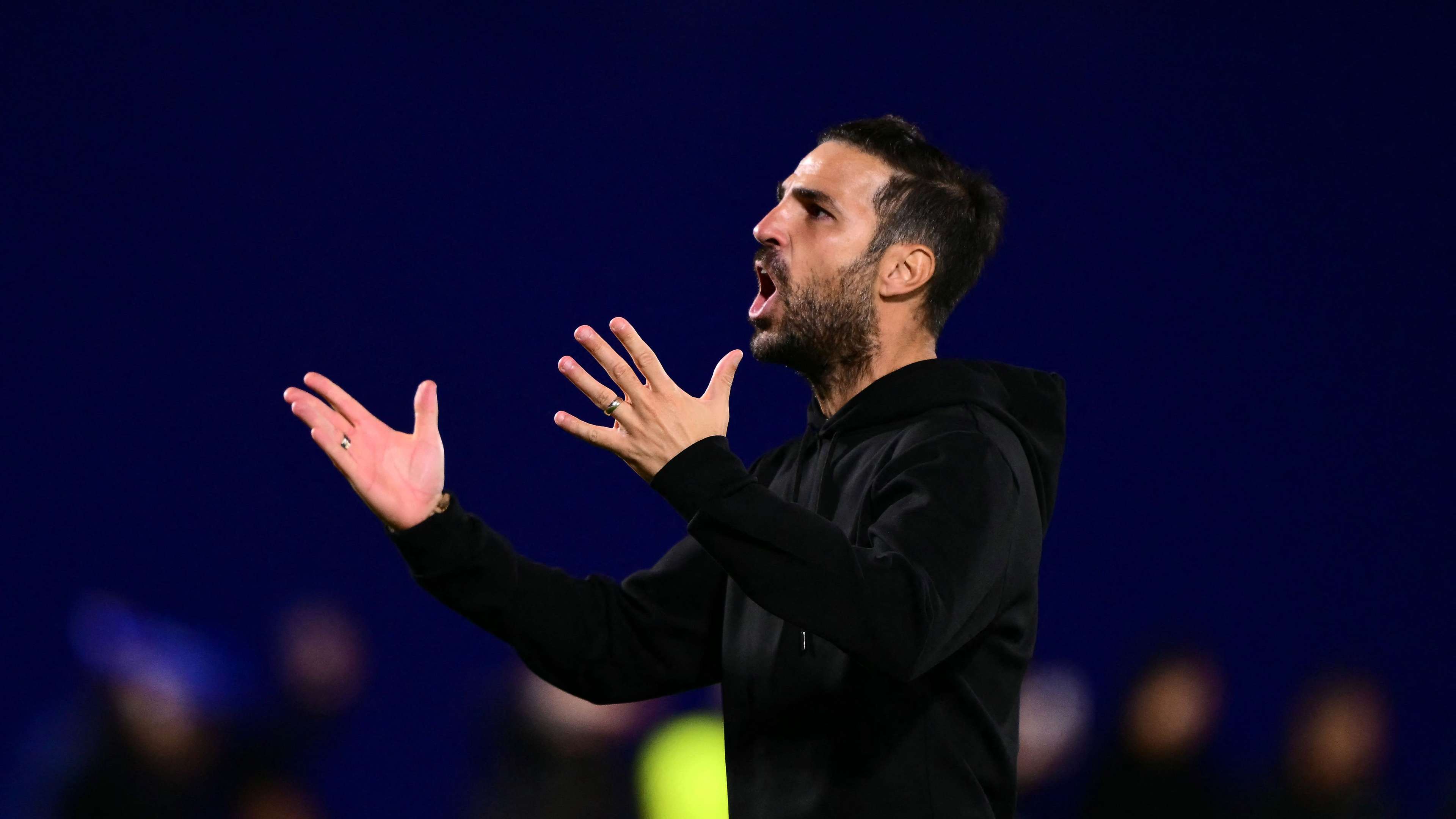
Carragher also praised Como manager Cesc Fabregas, describing him as one of the most promising young coaches from a technical perspective. The result has offered a striking contrast: Como delivered a convincing performance, while United were left facing renewed questions about their structure and direction.
Carragher went further, saying the problems at United ran from the top of the organisation to the bottom. His language was severe, but the wider concern is familiar to supporters: repeated managerial changes, inconsistent performances and uncertainty over the club’s identity can make it difficult to build a stable team. A single defeat cannot explain every structural issue, yet a heavy European loss can bring long-standing doubts sharply back into focus.
For Carrick, the immediate challenge is to restore discipline and confidence while managing the fallout from the public exchange with his captain. Carragher supported the decision to substitute Fernandes and welcomed Carrick’s direct response. At the same time, he acknowledged that a result of this scale could have consequences for the manager.
What the result could mean for Carrick and United
Carragher said the most troubling aspect was not necessarily that United lost, but the way the defeat unfolded. He suggested few observers had expected United to win, making the scale and manner of the performance especially damaging. His prediction was that the result could have serious repercussions for Carrick, potentially making him the latest United manager to face an uncertain future.
That outcome is not inevitable. The club’s response in its next fixtures will offer a clearer indication of whether the loss was an isolated collapse or part of a deeper decline. United will need to show improved organisation, sharper defensive recovery and a more convincing connection between the manager’s instructions and the players’ actions.
The Fernandes-Carrick dispute may also require careful handling behind the scenes. A captain and manager do not have to agree on every tactical decision, but disagreements are usually most productive when addressed privately and supported by a shared commitment to the team. If the issue becomes a public contest of authority, it risks distracting from the football problems that the Como defeat exposed.
For United supporters, the key questions now are whether the players can respond with greater intensity, whether Carrick can establish a clear identity, and whether Fernandes can lead by example through a difficult spell. The next performances will matter more than the post-match exchanges—but after a 4-1 defeat, both the tactics and the leadership are firmly under scrutiny.