
Belgium Face a Major Challenge When Romelu Lukaku Retires, Says Philippe Albert
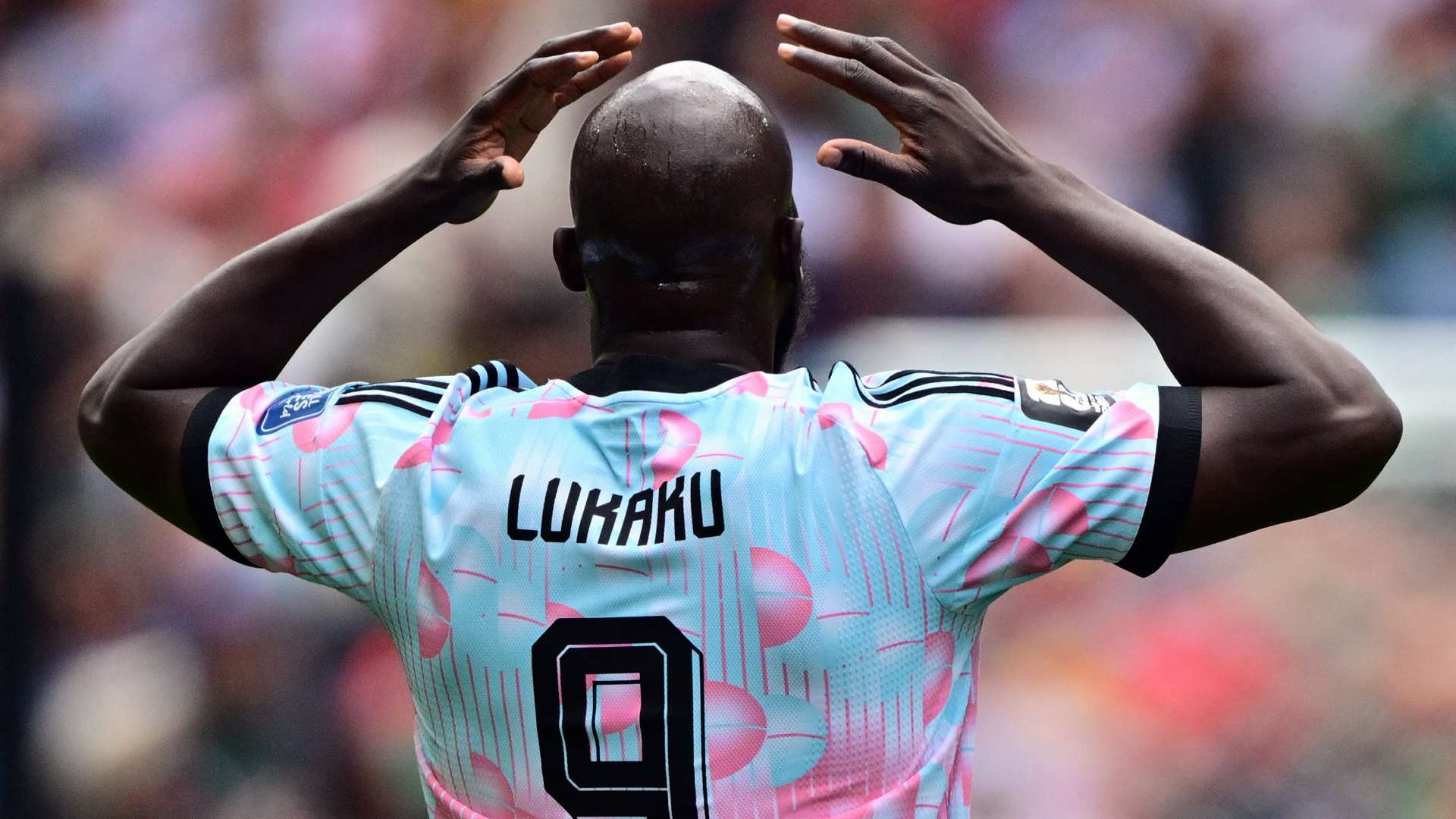
Belgium have been warned to prepare for a difficult transition when Romelu Lukaku eventually steps away from international football. Former Red Devils defender Philippe Albert believes the national team could be left in “big trouble” without its record-setting striker, describing Lukaku as “one of the best strikers ever.”
The prediction reflects more than admiration for the forward’s reputation. Lukaku has spent years carrying a substantial share of Belgium’s attacking responsibility, combining physical strength, penalty-box instincts and a record of scoring at the highest level. While debates about his performances have followed him throughout his career, his contribution to the national team and club football gives him a powerful answer to many critics.
A goalscorer who has shaped Belgium’s attack
Lukaku’s importance to Belgium is clear in his record for the national side. He has become the country’s leading men’s international goalscorer, a milestone that reflects his longevity as well as his ability to deliver across different generations of the team. Belgium have produced many gifted attacking players, but few have matched Lukaku’s consistency in front of goal over such an extended period.
His role has also evolved. At different stages of his international career, Lukaku has been asked to lead the line, occupy opposing centre-backs and create space for faster teammates. His size and strength make him a difficult opponent to contain, while his movement can open channels for players arriving from midfield or the wings. When Belgium need a direct option, he can provide one; when the team build patiently, he can serve as a focal point around which the attack develops.
That versatility helps explain why Albert considers his eventual retirement a serious concern. Replacing a striker is not simply a matter of finding another player with a strong scoring record. Belgium will need someone capable of handling the pressure of leading the attack, adapting to different tactical plans and delivering in high-profile football matches.
Why Lukaku’s achievements deserve recognition
Lukaku’s career has included major trophies and spells at some of Europe’s best-known clubs. He has played in several leading leagues and experienced the demands of competing for domestic honours, European places and international success. His career has taken him through different football cultures and tactical systems, giving him a broad range of experience that is difficult to replace.
His scoring record is central to his case, but it is not the only measure of his value. A powerful striker can influence a game even when he does not score, drawing defenders out of position, holding up possession and giving teammates a route forward under pressure. Lukaku’s ability to occupy multiple defenders can create opportunities for Belgium’s wide players and attacking midfielders—an impact that may not always appear in the match statistics.
That wider contribution is worth considering when assessing his legacy. Strikers are often judged by their most recent performance, and Lukaku has faced intense scrutiny during difficult spells. Yet a long career cannot be fairly assessed through a handful of missed chances or disappointing results. His goals, achievements and sustained presence at the highest level form a substantial body of evidence in his favour.
What comes after Belgium’s leading striker?
Albert’s warning raises a broader question for Belgian football: how can the national team prepare for life after its most established centre-forward? The answer is unlikely to be a direct, one-for-one replacement. Belgium may instead need to adjust its attacking approach, sharing the scoring burden among several players and building a system that does not rely on a single target man.
That transition could involve giving younger forwards more responsibility well before Lukaku retires. Regular international minutes would allow potential successors to learn how to cope with the pace and pressure of major tournaments. It would also give coaches time to discover whether Belgium’s next generation is best suited to a traditional striker role, a mobile front line or a more collective attacking structure.
Planning ahead matters because international teams have limited time together. A club side can work on tactical relationships every week, but national squads often have only short training windows before competitive fixtures. If Belgium wait until Lukaku has left the scene, the next generation may have to adapt under pressure. Gradual preparation would give the team a better chance of maintaining its attacking threat.
Fenerbahce chapter adds to an eventful career
Lukaku’s current chapter at Fenerbahce adds another setting to a career defined by movement between major clubs and leagues. Each new environment brings different expectations, opponents and tactical demands. For a striker, adapting successfully requires more than reputation: it calls for fitness, sharp movement and a strong understanding with teammates.
His performances at club level will continue to influence the conversation around his form, but his importance to Belgium rests on a wider record built over many years. International football has repeatedly shown how valuable an experienced centre-forward can be, particularly in matches where a team needs composure, a physical presence or a reliable outlet when under pressure.
Prediction: Belgium’s transition will take careful planning
The prediction that Belgium will face “big trouble” after Lukaku’s retirement should not be read as a certainty that the team will decline. National sides can rebuild, and emerging players may develop into effective leaders. But replacing a forward with Lukaku’s international record, experience and profile will be a significant task, especially if the team has not prepared for the change.
Belgium’s best response is to treat the transition as a long-term project rather than a last-minute problem. Coaches can test different attacking combinations, encourage younger players to take responsibility and develop tactical options that work with or without a conventional number nine. That approach would reduce the pressure on any single successor and make the team less dependent on one player.
For now, Lukaku remains a major figure in Belgian football. Albert’s description of him as one of the best strikers ever may be debated, as any bold football claim will be, but his goalscoring record and collection of major honours make the praise understandable. When he eventually retires, Belgium will lose more than a prolific forward: it will lose an experienced focal point whose presence has shaped the team’s attack for years.