
Kompany Reflects on Bayern’s 2-2 Champions League Draw With Arsenal
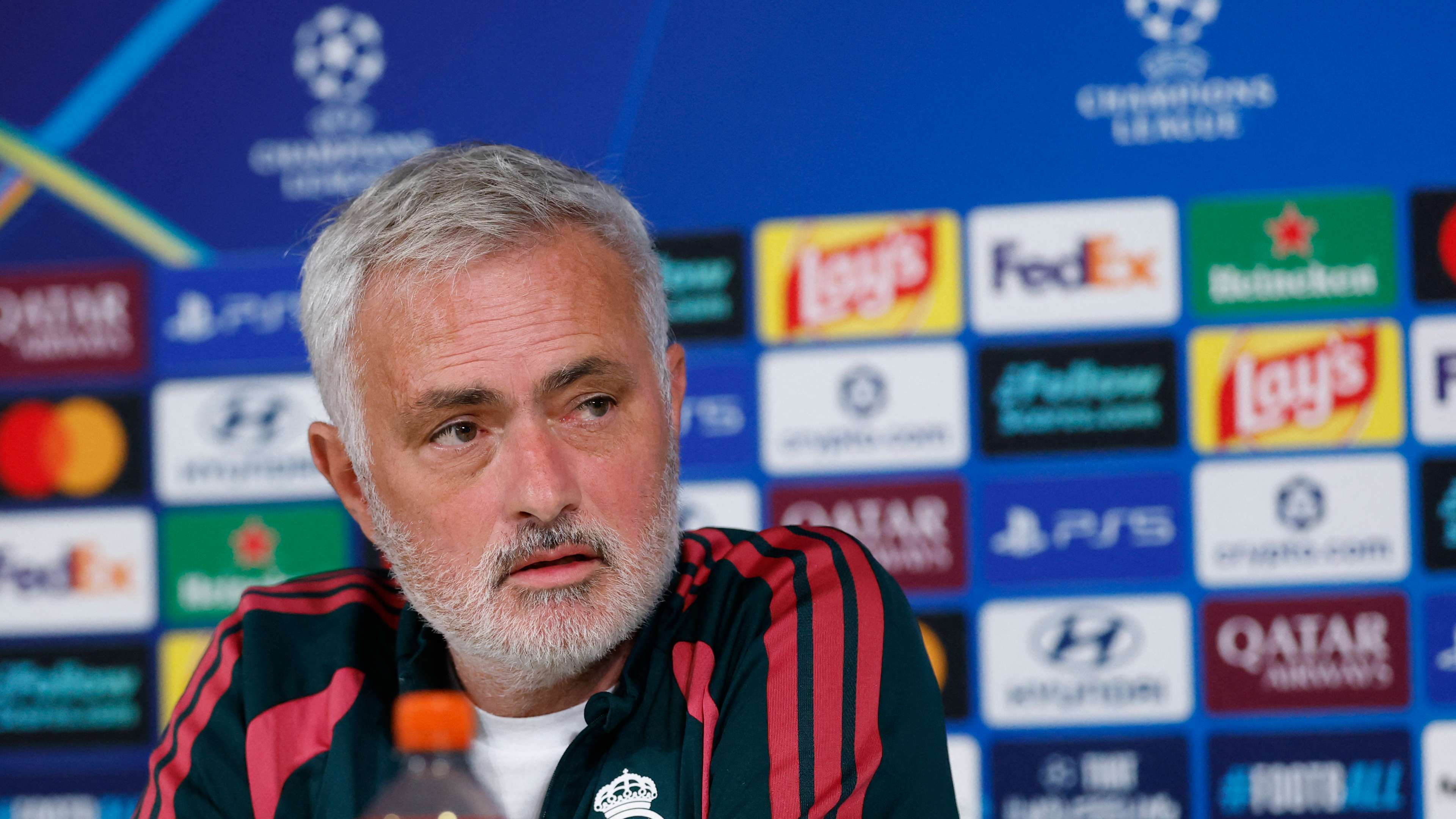
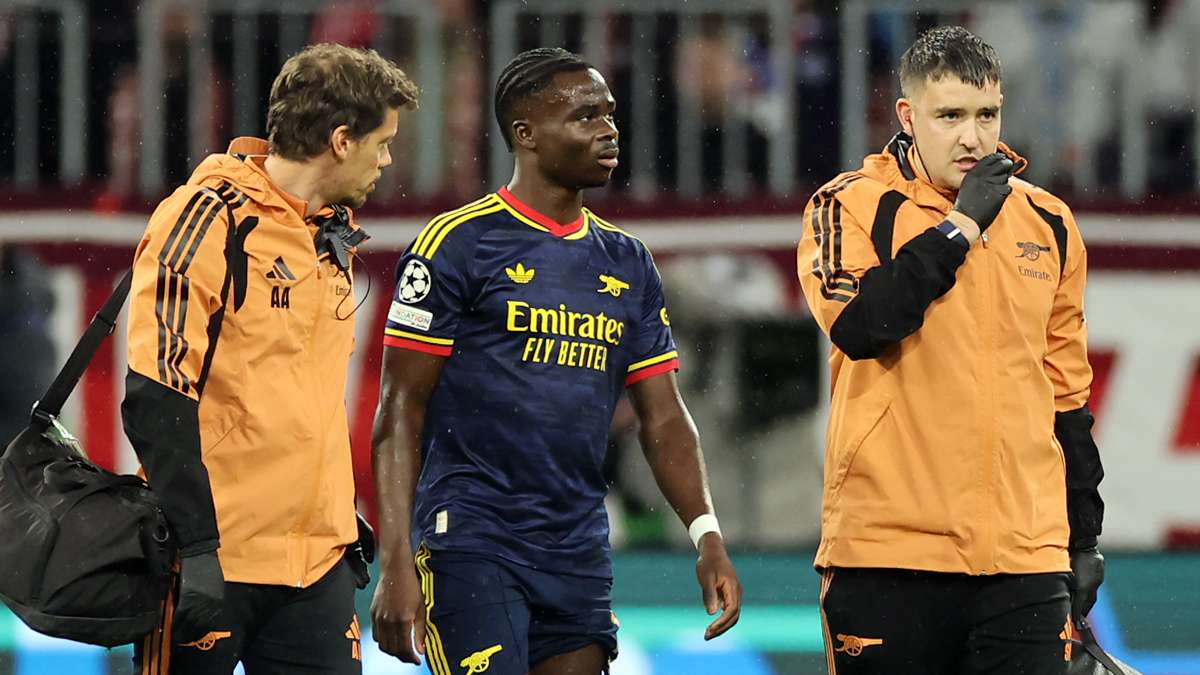
Vincent Kompany was left with mixed feelings after Bayern Munich were held to a 2-2 draw by Arsenal at the Allianz Arena. The Bayern coach believed his team had created enough opportunities to win, but acknowledged that Arsenal’s strong spells and late equaliser made the result a fair reflection of a fiercely contested European football match.
The result offered both encouragement and frustration for Bayern. Kompany saw his players threaten one of the Champions League’s leading contenders, yet they were unable to protect their advantage through the closing stages. For supporters weighing up the teams’ performances and any future football prediction, the match highlighted the fine margins separating a convincing victory from a hard-earned draw at this level.
Kompany Praises Bayern’s Attacking Threat
Speaking after the match, Kompany stressed that Bayern must quickly shift their attention to the next challenge, given the demanding schedule facing the squad. He also made clear that Arsenal’s quality was evident throughout the evening.
“We are in a phase during which we are playing a very large number of matches, so we have to move past this fixture quickly and think about the next match,” he said in comments reported by Mundo Deportivo. “We faced a strong opponent, and we felt it and saw it clearly.”
Bayern produced several dangerous attacking moments, creating clear chances that Kompany admitted he had not expected to see so frequently against such a well-organised opponent. His side found ways to progress into threatening areas, although the coach felt they lost some of their rhythm late in the game.
“I think we had good periods in the match, and we created some clear chances that I did not expect us to get,” Kompany said. “It is unfortunate that we struggled during the last 10 or 15 minutes, which made us lose some momentum.”
That late dip proved costly. Bayern had reason to believe they could take all three points, but Arsenal remained dangerous and capitalised when the opportunity came. Kompany described the final equaliser as unfortunate while recognising that the contest had never been fully under either team’s control.
Arsenal’s Pressure Made the Contest Difficult to Call
Kompany’s assessment was not simply that Bayern had dominated and been unlucky. He acknowledged that Arsenal enjoyed periods when they controlled the match, applying pressure and making it difficult for the hosts to build attacks cleanly. The balance of play, he suggested, was one reason the draw could be considered a reasonable outcome.
“We felt that we were capable of winning, and perhaps we deserved it, but the opponent was very strong, and the match was not settled at any moment,” he said. “The equaliser we conceded in the final minutes was unfortunate.”
Both teams pressed with intensity, seeking to disrupt the other’s progress and force mistakes. Bayern were not always able to choose the right moment to move the ball forward, but Kompany believed they reached the final third more often and generated greater danger once they got there.
“Arsenal pressed with the same intensity we pressed with, and we were dangerous in those moments,” he explained. “We did not always succeed in picking the right timing to reach the final third, but I think we reached those areas more than Arsenal, and we created the danger, including two or three chances during which we had a numerical advantage.”
That distinction matters when assessing the performance: territorial progress does not automatically translate into control, particularly against a side capable of turning pressure into rapid attacks. Bayern’s ability to find openings was a positive, but Arsenal’s resilience and late response underlined why predicting outcomes between elite European teams can be difficult.
Harry Kane’s Movement Gives Bayern More Options
Harry Kane was among the standout performers, earning the man of the match award after scoring and setting up Alphonso Davies. Kompany praised the England striker’s awareness and movement, highlighting how his ability to leave the centre-forward position can unsettle defenders and create opportunities for teammates.
Rather than staying in one fixed area, Kane can drop deeper to receive the ball or move into different spaces across the pitch. That flexibility forces opposing centre-backs to make difficult decisions: follow him and risk leaving space behind, or hold their line and give him time to influence play.
“Kane has a special instinct that makes him know when to drop back and when to move into other areas of the pitch,” Kompany said. He added that Arsenal used comparable movement with their own forwards, making defensive assignments more complicated for both teams.
Kane’s positioning also allows Bayern to use his passing range. When defenders step forward to pressure him, he can look beyond the immediate challenge and deliver accurate balls into space for runners. Kompany said that time on the ball enables Kane to help Bayern break through defensive lines and create dangerous chances.
His contribution against Arsenal showed why Kane is valuable beyond his finishing. The striker can act as a scorer, a link between midfield and attack, and a creator for advancing teammates—qualities that give Bayern several ways to threaten opponents.
What the Result Means for Bayern’s Champions League Campaign
The draw leaves Bayern Munich with five points after three Champions League rounds. While the team will regret not holding on to victory at home, the performance also offered evidence that Kompany’s side can create opportunities against high-level opposition. The challenge now is to maintain that attacking sharpness while managing the late-game periods that allowed Arsenal back into the contest.
Bayern’s next major European test is a trip to face Atletico Madrid on 3 November. The Spanish side’s reputation for organisation and defensive discipline will present a different tactical problem, making Bayern’s movement, decision-making and ability to sustain pressure especially important.
For now, Kompany’s message is one of perspective: Bayern had the quality to win, Arsenal had enough strong spells to make the draw understandable, and the schedule leaves little time to dwell on either conclusion. The match offered no simple verdict on which side was superior—but it did provide a compelling reminder that in top-level football, even a team creating the clearer chances must remain alert until the final whistle.