
UEFA searches for a challenger as Beckham’s name enters FIFA president debate
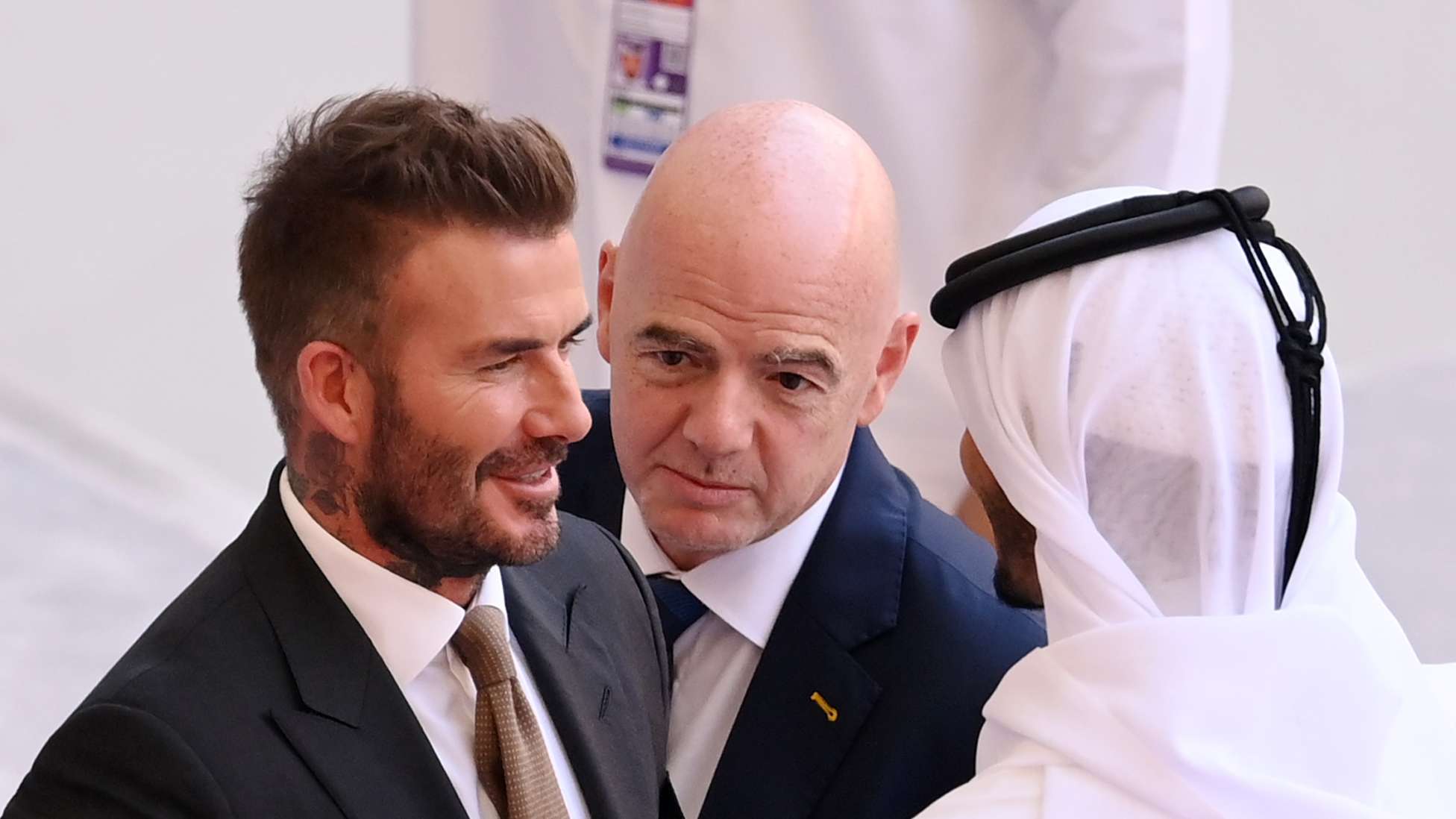
UEFA is stepping up efforts to find a consensus candidate who could challenge Gianni Infantino in the race for FIFA’s presidency, with former England captain David Beckham emerging as one of the more surprising names under discussion. The idea, reported by Sport citing Sky Sport Germany, reflects a growing belief among some European football officials that any challenger will need more than administrative experience: they will also need international recognition and the ability to attract support across confederations.
Beckham has not been confirmed as a candidate, and the discussions remain exploratory. But his name has caught attention because he combines worldwide celebrity with a substantial role in the modern football business. As co-owner of Inter Miami, he helped build a high-profile Major League Soccer project that reached a new level of global visibility after Lionel Messi joined the club.
Why UEFA wants an alternative
Opposition to Infantino’s leadership sharpened after the latest FIFA Council meeting, which reportedly left his critics frustrated. UEFA representatives arrived with questions on major issues, including commercial arrangements and the sale of television broadcasting rights. According to reports, Infantino did not provide the direct answers some European officials wanted, while continuing to strengthen his position ahead of a possible fourth term.
The disagreement is not simply about personalities. For critics, questions over transparency, governance and the distribution of football’s commercial revenue are central to the debate about FIFA’s future. Broadcasting rights are particularly important because they shape the value of competitions, influence the resources available to national associations and affect how fans around the world can watch the game.
Bernd Neuendorf, president of the German Football Association, has acknowledged that opposing Infantino requires a credible alternative rather than criticism alone. Speaking to RTL and Sky Sport, he said the objective remained to see someone else lead FIFA, adding that achieving that goal meant presenting another candidate.
A narrow window to build support
Time is a major factor. The reported deadline for submitting nominations to FIFA is 18 November, leaving UEFA and potential allies with a limited period to agree on a name, establish a campaign and persuade member associations to support it. A candidate may be widely known, but recognition alone does not guarantee the votes needed to win a FIFA election.
After a meeting of European federation presidents in Berlin, UEFA outlined the qualities it believes an alternative should possess. The preferred candidate would need to be respected across the international football community, bring relevant administrative experience and demonstrate an ability to build relationships between the sport’s continental confederations. A clear commitment to integrity and reform is also expected to be essential.
Officials have also stressed the importance of public appeal. Infantino has a strong institutional position and extensive media reach, so challengers may need to communicate effectively with both football leaders and fans. In practical terms, that means presenting a convincing vision for the sport while being able to explain complex governance and financial issues in accessible language.
What Beckham could bring to the campaign
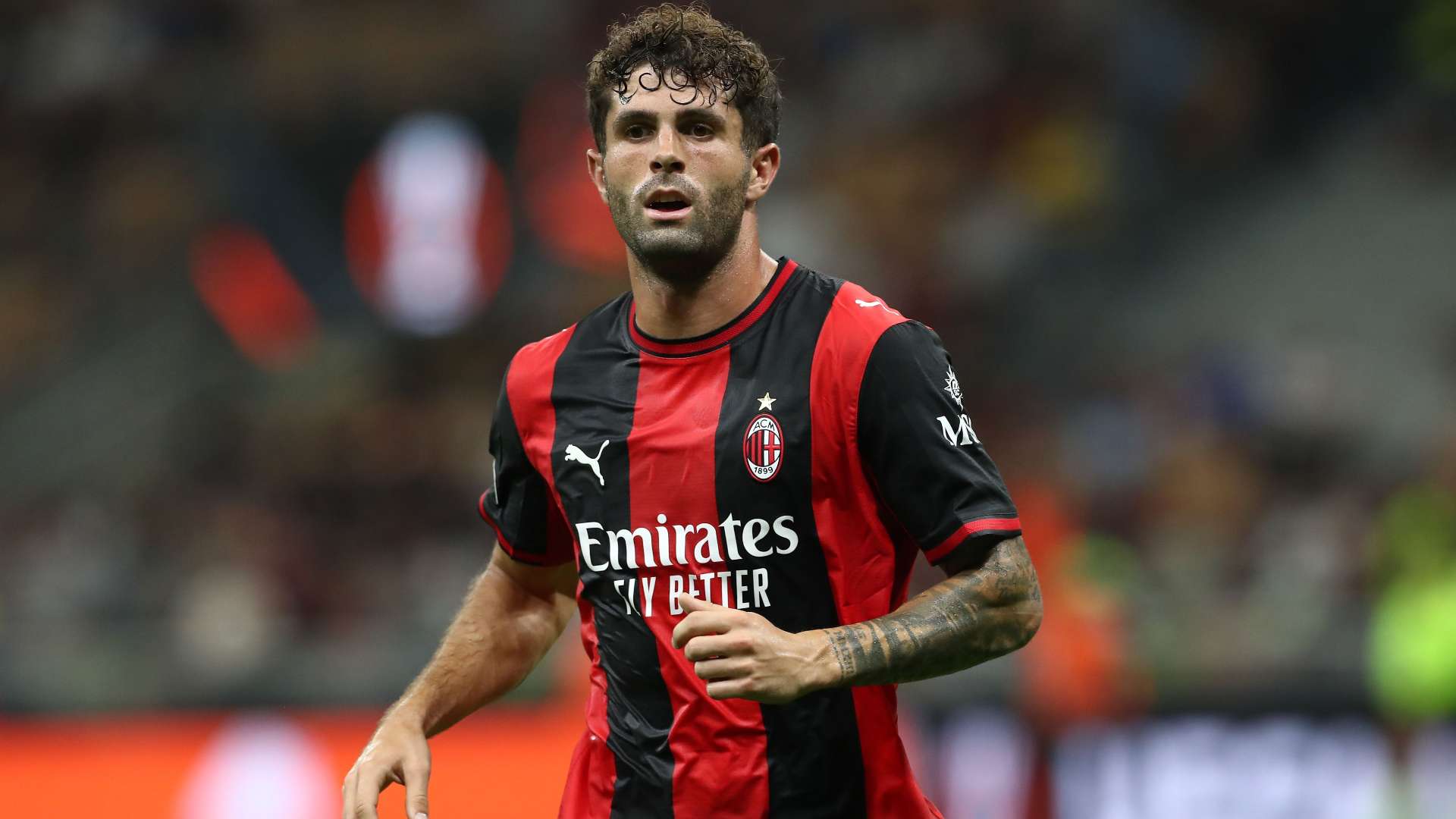
Beckham’s potential appeal lies in the unusual combination of qualities he offers. As one of the most recognisable figures in global football, he has a profile that few federation executives can match. His playing career with Manchester United, Real Madrid, AC Milan, Paris Saint-Germain and the England national team gave him a following across continents, while his work in the sport after retirement has expanded his business and leadership experience.
Inter Miami has become a prominent example of football’s growing commercial reach in North America. Beckham’s involvement in the club gives him direct exposure to the challenges of operating a modern team, attracting investment, building a fan base and competing for attention in a crowded sports market. The signing of Messi further raised the club’s international profile and highlighted the commercial potential of the North American game.
That background may matter to UEFA as it looks beyond Europe for support. A candidate with established links to the United States and the wider CONCACAF region could potentially help bridge political and commercial interests between European football and North America. Building such alliances would be critical to any effort to challenge a president whose support has been strengthened by FIFA’s global network of member associations.
Still, Beckham’s business credentials should not be confused with a proven record of running a global governing body. FIFA oversees a complex system involving national associations, confederations, major tournaments and commercial partners. Any serious candidate would need to show that they understand the organisation’s responsibilities and can manage its political demands, not just attract headlines.
Relationships could complicate a Beckham candidacy
One potential obstacle is Beckham’s past relationship with Infantino. The former England star has appeared at FIFA events and taken part in official campaigns, maintaining a notably close connection with the organisation and its president. That history could make it harder for him to present himself as a clear break from the current leadership, particularly if UEFA’s campaign focuses on institutional reform.
It could also create difficult questions about whether Beckham would be willing to enter a contested election. A high-profile figure may be attractive as a unifying choice, but a campaign would expose him to scrutiny over his experience, political independence and plans for FIFA. European officials would need to establish that he was prepared to take on those challenges and had the backing required to mount a serious bid.
Prediction: a striking possibility, but no confirmed candidacy
For now, Beckham is best viewed as a reported option rather than an announced challenger. His name fits UEFA’s search for a candidate with global visibility and commercial influence, but the decisive questions are whether he wants the role, whether he can demonstrate the necessary governance experience and whether a broad coalition would unite behind him.
The wider prediction is that UEFA’s next move will be less about celebrity and more about securing agreement. A successful challenger would need support beyond Europe, a detailed platform on transparency and football finance, and the ability to reassure associations that reform would benefit the game globally. Beckham could attract attention to such a campaign, but attention alone cannot win votes.
As the nomination deadline approaches, the contest may become a test of whether Infantino’s critics can turn shared frustration into a workable political alliance. Beckham’s possible involvement has added intrigue to the debate, yet the outcome will ultimately depend on the candidate’s programme, credibility and relationships across world football.