
Andrea Barzagli on Italian Football’s Future and Juventus’ Need for a Clear Plan
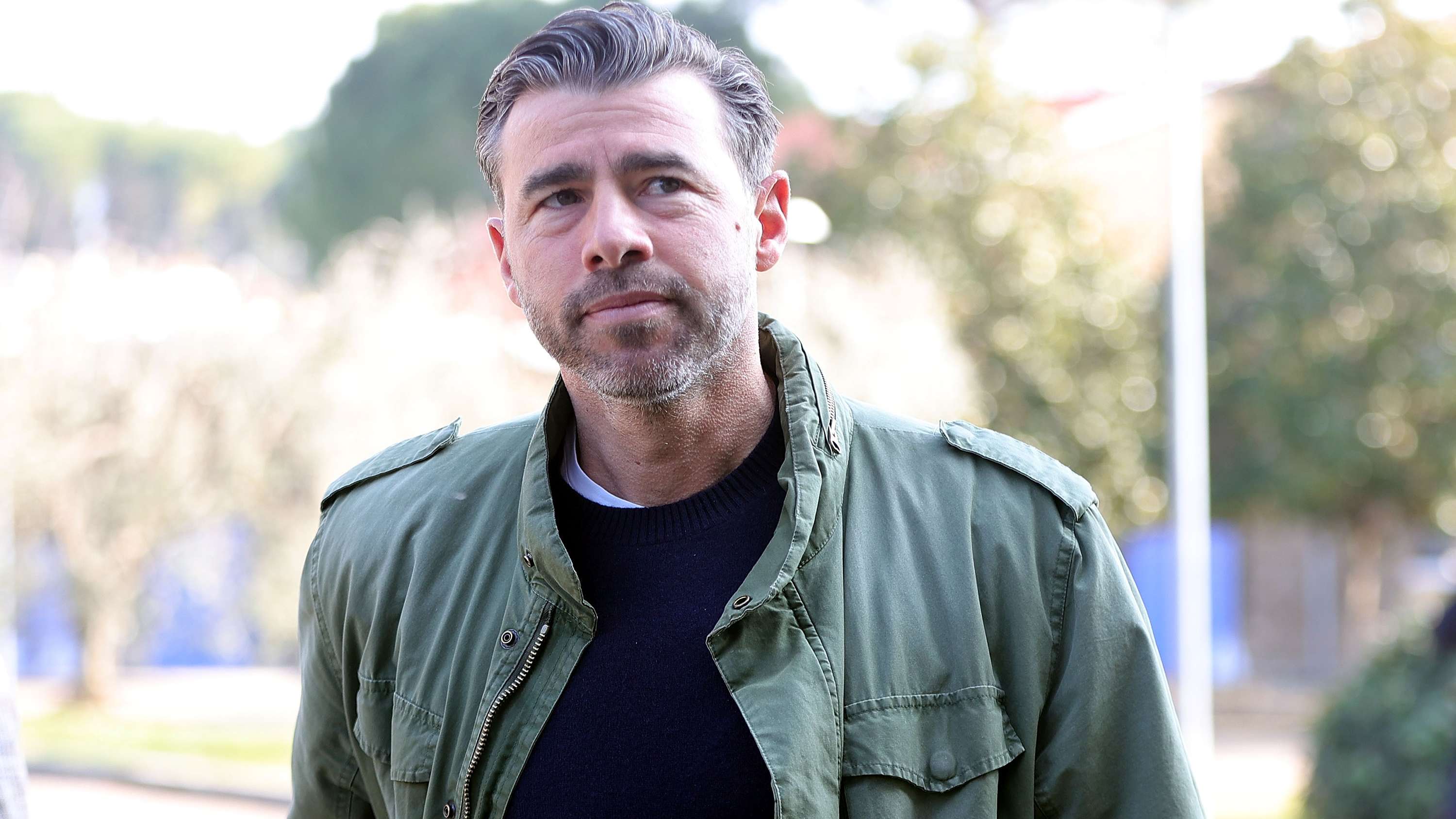
Former Juventus and Italy defender Andrea Barzagli has delivered a candid assessment of two subjects close to his career: the development of Italian football and the decisions shaping Juventus’ future. Speaking on the YouTube podcast Colpi da Maestro, Barzagli drew on his experience at the highest level to discuss the young players he is following and the planning challenges facing his former club.
Barzagli is now an assistant to Italy Under-21 head coach Silvio Baldini, a role that keeps him closely connected to the next generation of players. His perspective is particularly relevant as Italy looks to strengthen its talent pipeline and restore its standing among Europe’s leading football nations. Rather than offering easy answers, he focused on the importance of development, consistency and sound long-term decisions.
Barzagli’s view from inside Italy’s Under-21 setup
Working with the Under-21 team gives Barzagli a close-up view of emerging Italian talent. The age group is an important bridge between youth football and the senior national side: players must adapt to greater physical demands, faster decision-making and the pressure of competing for places at professional clubs.
That transition is not always straightforward. A promising performance at youth level is only a starting point; young footballers also need regular opportunities, patient coaching and a clear route into senior football. Barzagli’s involvement with Baldini’s staff places him in a position to observe how prospects respond to those demands and which qualities help them take the next step.
For Italy, the challenge is not simply identifying gifted players. The broader task is to create an environment in which talent can mature. That means balancing technical development with tactical education, physical preparation and the confidence to make mistakes while learning. It also requires clubs and national teams to work in ways that support players’ progress rather than treating youth development as a short-term solution.
Why the next generation matters to Italian football
Italy’s football identity has long been associated with defensive organisation, tactical intelligence and competitive resilience. Those strengths remain valuable, but the modern game also demands pace, versatility and the ability to build attacks under pressure. Developing players who can combine traditional Italian qualities with contemporary skills will be central to the national team’s future.
Under-21 football can help reveal whether young players are ready for that challenge. International matches expose them to different styles and tactical problems, while training camps give coaches time to assess their decision-making and adaptability. A strong youth setup can also provide a sense of continuity, helping senior coaches draw on a wider pool of players instead of relying on a narrow group of established names.
Barzagli’s work with the Under-21s therefore carries significance beyond individual selections. The team represents part of a longer process: identifying promising footballers, helping them improve and preparing them for the demands of senior international competition. Success in that process depends on sustained attention, not a single tournament or a sudden wave of optimism.
A direct assessment of Juventus’ planning
Barzagli also spoke frankly about Juventus, the club where he spent a major part of his playing career. His comments addressed mistakes the club has made, as well as issues that continue to affect its planning for the future. The former defender’s criticism was direct but constructive, reflecting the perspective of someone who understands the standards and expectations associated with the Turin side.
For a club with Juventus’ history, planning cannot be reduced to individual transfers or a change in formation. Recruitment, coaching, squad balance and financial decisions all need to support a coherent sporting direction. When those elements do not align, even talented players can struggle to perform consistently, and short-term fixes can leave the club facing the same problems again in the next season.
That is why a clear strategy matters. A team needs to know what kind of football it wants to play, which profiles suit that approach and how younger players can contribute alongside experienced leaders. Without that framework, recruitment can become reactive: a club may sign players to address immediate weaknesses without considering how they fit into a longer-term project.
Why continuity can be as important as recruitment
Juventus’ challenge is not simply to assemble a strong squad on paper. The club must also create stability around its football decisions. Frequent changes in direction can make it harder for coaches to build a consistent style and for players to understand their roles. A well-planned project, by contrast, gives the team a clearer identity and allows progress to be measured over time.
Continuity does not mean avoiding change. Clubs must respond when results or performances fall short. But changes are most effective when they are guided by a defined objective rather than made in isolation. Recruitment should complement the coach’s needs, while the squad should include an appropriate mix of leadership, experience and players with room to develop.
For Juventus supporters, that distinction is important. Expectations remain high, but rebuilding a competitive side requires more than a quick return to winning results. A sustainable plan can help the club compete in domestic football while also preparing for the demands of European competition. It can also make it easier to judge whether a decision is working, rather than relying only on immediate outcomes.
What Barzagli’s comments mean for the wider game
Barzagli’s remarks connect two issues that are often discussed separately: the growth of Italian talent and the planning of major clubs. Young players need opportunities at club level to develop, while clubs benefit from having a reliable pathway through which prospects can progress. If that pathway is unclear, promising footballers may find it difficult to turn potential into regular first-team contributions.
There is no single formula for improving Italian football, and a successful prediction about its future depends on more than the reputation of one generation. Progress will rely on patient coaching, effective recruitment and cooperation between clubs and national-team staff. It will also require young players to receive meaningful challenges rather than being judged solely on early promise.
For Juventus, the equivalent test is whether the club can translate its resources and history into a consistent sporting project. Barzagli’s experience gives weight to his call for honest evaluation: past achievements offer a foundation, but they cannot replace good decisions in the present.
His comments on Colpi da Maestro are therefore both a reflection on football and a practical reminder. Italy’s next generation needs a clear route to the top, while Juventus needs a plan that connects its ambitions with its day-to-day choices. The outcome will depend on patience, clarity and the ability to learn from mistakes—qualities that matter as much in football management as they do on the pitch.