
Atalanta Face Two-Week Sead Kolasinac Absence After AC Milan Defeat
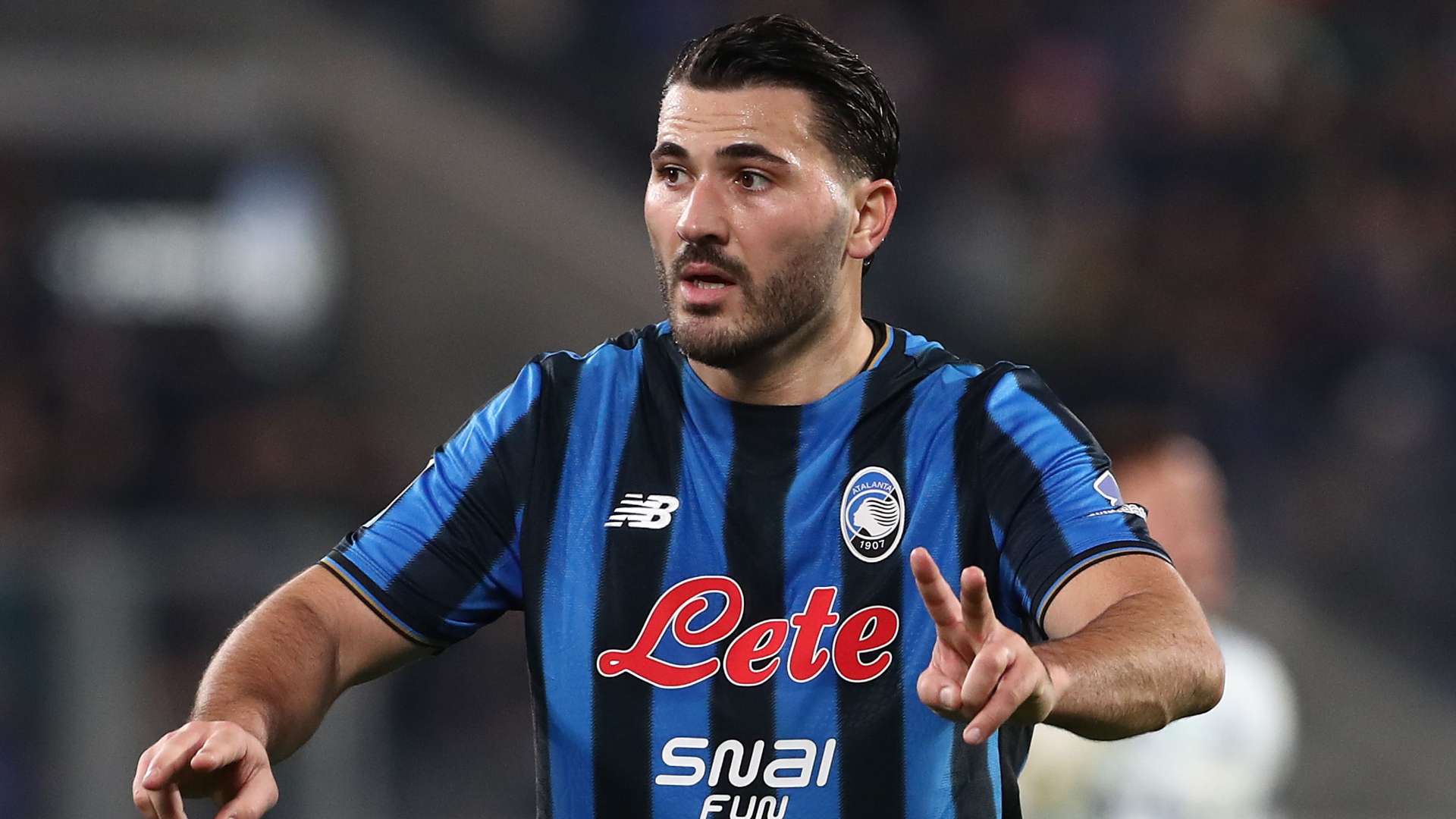
Atalanta will be without defender Sead Kolasinac for approximately two weeks after he sustained a thigh injury during the team’s defeat to AC Milan. Medical tests carried out the following morning identified a low-grade strain of the rectus femoris muscle in his left thigh, according to ANSA.
The diagnosis offers Atalanta some reassurance: the injury is not considered severe, and the expected absence is relatively short. However, Kolasinac’s availability will still be a concern for head coach Gian Piero Gasperini as the club manages a demanding run of fixtures. His recovery will depend on how the muscle responds to treatment and rehabilitation, so the two-week estimate should be viewed as a guide rather than a guaranteed return date.
What Kolasinac’s Injury Means for Atalanta
Kolasinac has become an important part of Atalanta’s defensive structure since joining the club. The experienced Bosnia and Herzegovina international brings physical strength, composure and a willingness to defend aggressively—qualities that suit the intensity of Gasperini’s system. He can operate as a centre-back in a back three and is also capable of covering the left side, giving the coach flexibility when selecting his team.
His absence may therefore affect more than one position. Atalanta’s defenders are often asked to step forward, press opponents high and support attacks, while remaining alert to counterattacks. Replacing Kolasinac means finding a player who can handle those responsibilities and maintain the coordination required across the back line.
Gasperini may respond by promoting another centre-back, adjusting the balance of the defensive unit or making changes to the team’s shape. The best option will depend on the opponents, the players available and the physical condition of the squad. Atalanta have built their identity around energetic, coordinated football, but injuries can force even a well-drilled team to adapt quickly.
Understanding the Rectus Femoris Strain
The rectus femoris is one of the muscles at the front of the thigh. It plays a key role in lifting the leg and straightening the knee, movements that footballers rely on when sprinting, accelerating, shooting and changing direction. A strain occurs when muscle fibres are overstretched or damaged, often during a sudden burst of speed or a forceful movement.
A low-grade strain generally indicates limited damage compared with a more serious tear. Even so, the location can be particularly challenging for a professional footballer because the muscle is involved in so many repeated actions during training and matches. Returning too soon could increase the risk of aggravating the injury, potentially turning a short absence into a longer one.
Atalanta’s medical staff are likely to monitor Kolasinac’s progress through a gradual programme. That can include rest, treatment to reduce discomfort, mobility work and strength exercises before he resumes running and team training. A full return to competitive football normally requires the player to demonstrate that he can sprint, brake and change direction without pain or restriction.
How Atalanta Could Cover the Defensive Gap
Kolasinac’s absence creates an opportunity for another defender to step into the starting XI, but it also places greater importance on communication and balance. Atalanta’s defenders must often cover significant space, particularly when the wing-backs move forward. Whoever replaces him will need to understand when to press, when to hold position and how to protect the channels behind the wider players.
The coaching staff could also consider rotating other defenders to avoid overloading players during a busy schedule. That approach may help preserve fitness, though frequent changes can make it harder to maintain defensive rhythm. Set pieces are another area to watch: Kolasinac’s strength and aerial presence can be useful in both penalty areas, so Atalanta may need to redistribute those duties among the remaining players.
For supporters, the coming matches will provide a clearer picture of how the squad handles the setback. Atalanta’s results during this period may depend not only on defensive personnel but also on how effectively the team controls possession and limits the number of dangerous transitions it faces.
Recovery Timeline and Return-to-Play Prediction
Based on the initial report, Kolasinac is expected to miss around two weeks. That estimate suggests he could return to contention once the strain has settled and he has completed the necessary training steps. Still, there is no benefit in treating a projected date as certain: muscle injuries can respond differently from one player to another, and the club is likely to prioritise a safe recovery over an accelerated comeback.
Any prediction about his first match back will depend on the timing of Atalanta’s schedule and his progress in training. If he returns to full sessions without discomfort, he could be considered for selection soon after. If he experiences soreness during sprinting or changes of direction, the medical team may extend his rehabilitation period.
For fantasy football players and fans assessing Atalanta’s defensive prospects, the short-term absence is worth noting, especially when considering likely team selections and clean-sheet potential. However, the injury does not automatically signal a major long-term concern. The most sensible prediction is that Atalanta will manage without Kolasinac for a brief spell while monitoring his recovery closely.
A Short-Term Setback in a Demanding Season
The injury comes after Atalanta’s loss to AC Milan, adding another challenge as the team looks to respond on the pitch. While the result itself will prompt tactical review, Kolasinac’s absence gives Gasperini an immediate selection issue to solve. The club must balance the need to remain competitive with the importance of protecting a player who has been a reliable part of its defensive plans.
For now, the reported low-grade strain offers cautious optimism. A two-week recovery would limit the disruption, but Atalanta will wait for Kolasinac to complete each stage of rehabilitation before confirming his return. His progress will be closely followed by supporters seeking updates on the defender and by anyone tracking the club’s football outlook in the weeks ahead.