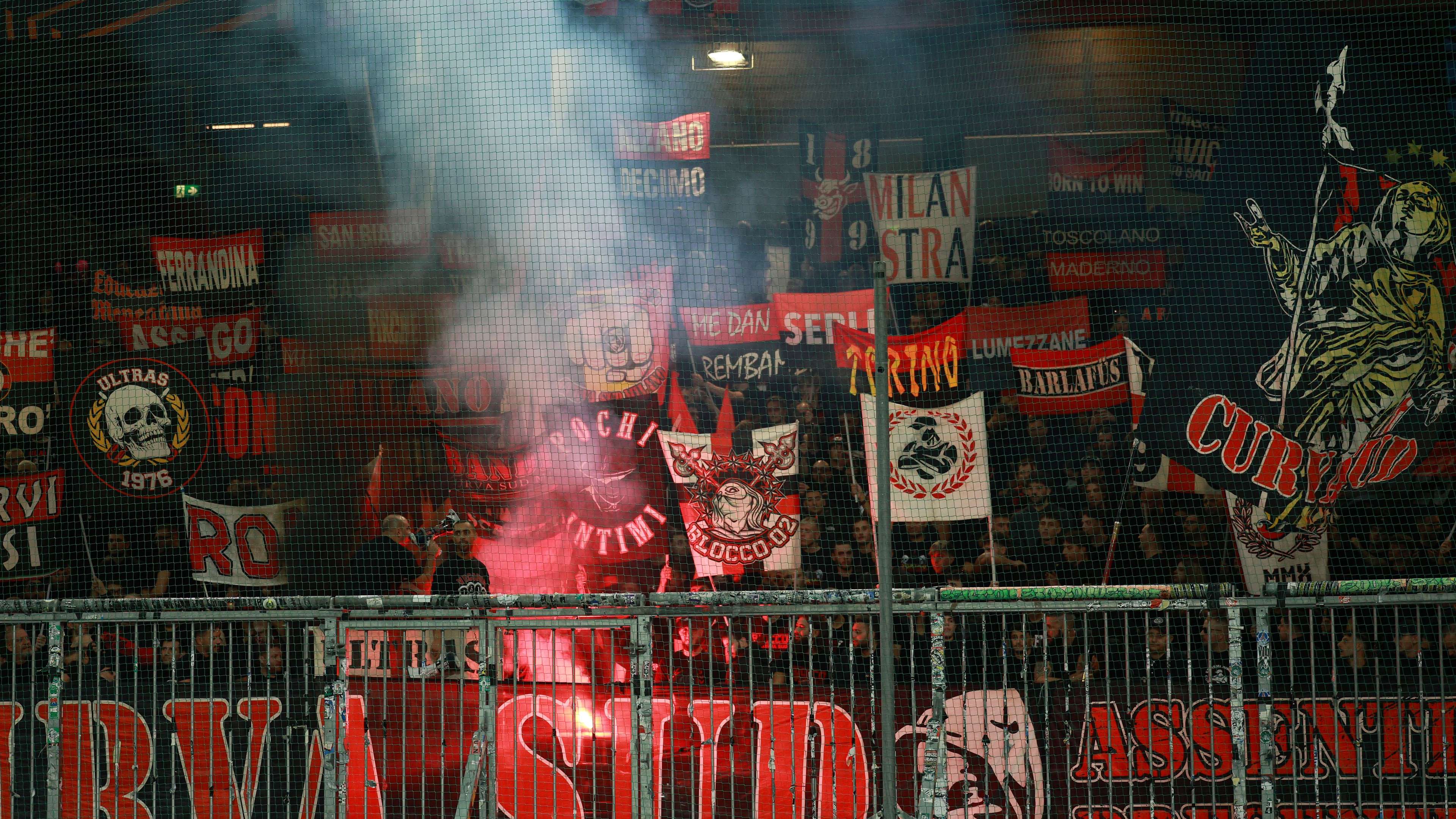

AC Milan Support Away-Fan Boycott Over Udinese Ticket Prices
AC Milan have voiced their support for their travelling supporters after fans announced they would boycott the upcoming away match against Udinese over the cost of tickets in the visiting section. The dispute has renewed debate about affordability, fairness and the role of away fans in Italian football.
According to the club, Milan supporters were asked to pay significantly more for their tickets than fans of other teams had been charged for comparable away fixtures. Frustrated by the difference, supporters chose not to attend the match. Milan said it understood their decision and backed their position, highlighting the broader financial pressures involved in following a team on the road.
Why travelling to an away match costs more than the ticket
The price printed on a match ticket is only one part of the expense for an away supporter. Fans may also need to budget for fuel, motorway tolls, train or bus fares, meals and, when the journey is long, overnight accommodation. These costs can quickly turn a single football match into a substantial commitment, particularly for families and supporters who travel regularly throughout the season.
That is why the price of an away allocation matters. A ticket that is considerably more expensive than those offered to other visiting fans can make an already costly trip feel inaccessible or unfair. For supporters who follow their club across Italy, consistent and transparent pricing is not a minor detail: it can determine whether they are able to be present at all.
Milan’s response frames the boycott as a matter of principle as well as personal expense. The club argues that supporters should not face excessive charges simply because they are travelling to watch their team away from home. While clubs and stadium operators must manage match-day costs, the price difference has prompted questions about how away tickets are set and whether clearer standards are needed across Serie A.
AC Milan say fair access matters to Italian football
In its statement, Milan connected the ticket dispute to the wider health of the Italian game. The club said the international appeal of Italian football depends in large part on the loyalty and enthusiasm of supporters who fill stadiums and follow their teams across the country. Those fans help create the atmosphere that makes live football distinctive, both for people in the stands and for audiences watching around the world.
When away supporters are priced out, the effects can reach beyond one section of one stadium. Reduced travelling support can weaken match-day atmosphere, limit the sense of occasion and make the relationship between clubs and their fan communities more difficult. Milan also warned that unequal treatment risks deepening divisions between Serie A sides, including clubs with different levels of resources and different-sized fan bases.
The club’s argument is that Italian football has a shared interest in keeping matches accessible. Serie A faces intense competition for attention, investment and audiences from the Premier League and other major European competitions. A lively, welcoming stadium experience is one of the league’s strengths. Policies that discourage supporters from travelling could undermine that advantage at a time when Italian clubs and the league are seeking to strengthen their position internationally.
A debate that reaches beyond Milan and Udinese
The boycott may involve one fixture, but the issue is relevant to supporters throughout Italy. Away-ticket prices can vary from match to match, leaving fans uncertain about what they will be asked to pay during the season. A more consistent approach could help supporters plan ahead and reduce the perception that visiting fans are being treated differently depending on the club or occasion.
Possible solutions could include clearer public information about ticket categories, advance notice of away-section prices and greater coordination between clubs when setting charges. Supporter groups, clubs and league officials could also discuss whether common principles are needed to protect access while allowing stadium operators to meet legitimate costs. Any framework would need to account for differences between venues, but greater transparency could help build trust.
There is also a practical question for clubs: how should they balance match-day revenue with the value of a strong travelling crowd? Away fans contribute to the atmosphere and the identity of domestic football, but they may be among the first to withdraw when costs rise too sharply. In that sense, a boycott is not only a protest; it is a signal that supporters believe the current price is unreasonable.
What to watch before the Udinese match
The immediate focus will be on whether the announced boycott changes the atmosphere around the fixture and whether the dispute leads to further discussion between the clubs. The decision does not, by itself, settle the question of how away tickets should be priced across Serie A. However, strong public support from a major club such as Milan may increase pressure for a broader conversation.
For fans looking for a football prediction ahead of the match, ticket prices and the expected absence of some visiting supporters are off-field factors rather than direct indicators of the result. Team form, injuries, tactics and home advantage will remain central to any match assessment. Still, the atmosphere in the stadium can shape the occasion, and the debate surrounding the game may give the fixture added significance for both sets of supporters.
Ultimately, the dispute highlights a simple tension: clubs need sustainable match-day operations, while fans need football to remain affordable enough to follow in person. Milan’s support for its supporters places that balance firmly in the spotlight. Whether the Udinese boycott prompts a change in pricing practices remains to be seen, but the wider message is clear: away fans are an essential part of Italian football, and fair access should be treated as a shared priority.