
Barcelona Face a Major Test of Character Before the Clasico
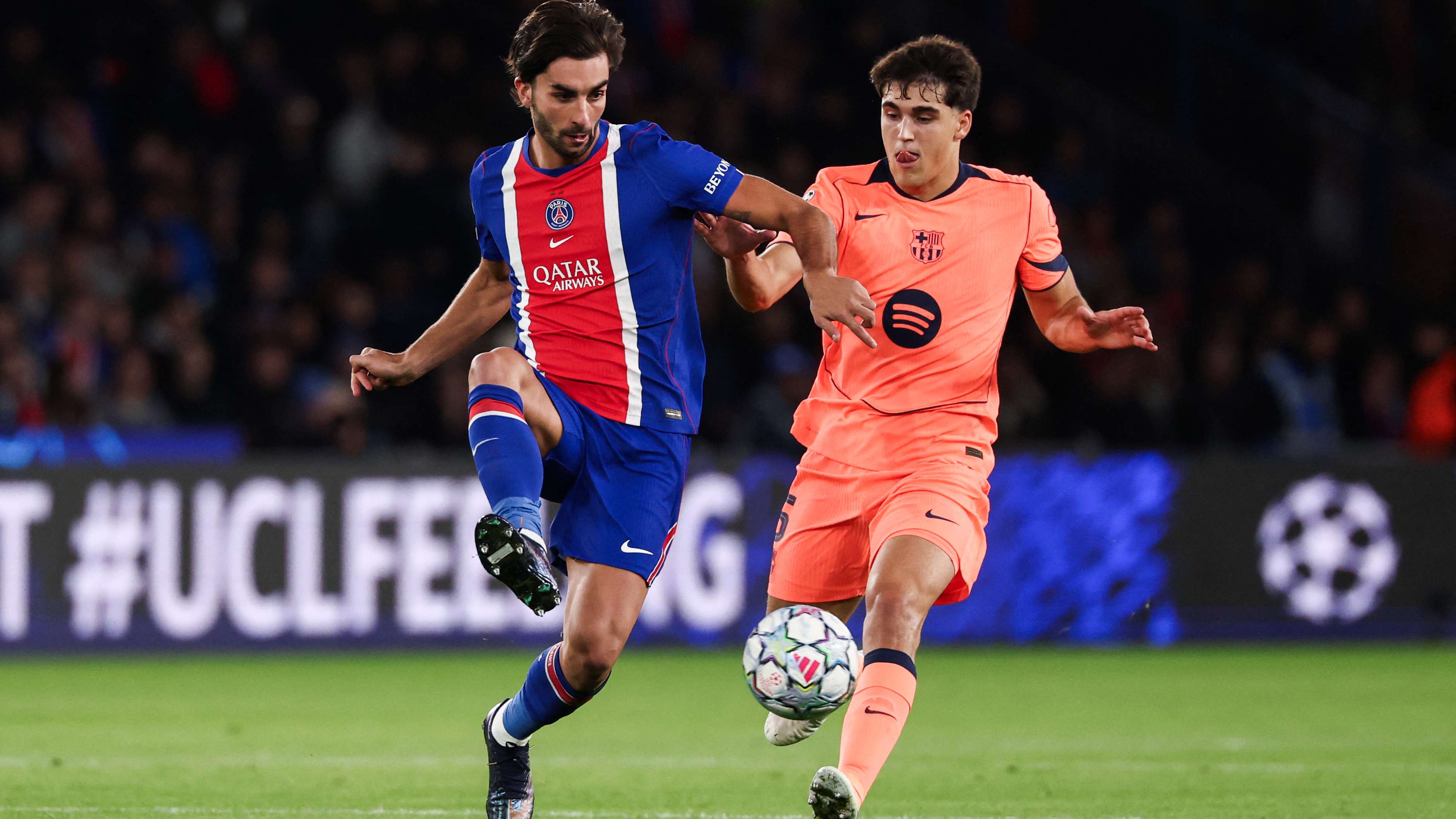
The disappointment of a European defeat was difficult to hide as Barcelona’s players arrived at training on Thursday. Just days before one of the biggest fixtures in Spanish football, the squad appeared subdued after a painful 4-2 loss to Paris Saint-Germain in the UEFA Champions League.
Footage shared by the Spanish programme El Chiringuito showed several players arriving by car with serious expressions. While brief scenes outside a training ground cannot reveal everything happening inside a dressing room, they offered a glimpse of the emotional weight of the result—and the challenge facing coach Hansi Flick as Barcelona prepare for their upcoming Clasico against Real Madrid.
PSG Defeat Raises Questions About Barcelona’s Defence
Barcelona managed to score twice against PSG, but their attacking efforts were not enough to prevent a 4-2 defeat. Conceding four goals in a high-profile Champions League match will inevitably draw attention to the team’s defensive organisation, decision-making and ability to respond when opponents apply pressure.
The result was more than a setback on the European stage. It arrived at a particularly demanding point in the season, with little time for the squad to process the loss before returning to another high-pressure contest. For Flick, the immediate task is to identify what went wrong without allowing the review to undermine the players’ confidence.
Barcelona will need to assess how effectively they protected the space behind the defence, dealt with PSG’s attacking movement and managed key moments during the match. Those details matter against any opponent, but they become especially important in a Clasico, where small errors can quickly change the direction of the game.
Real Madrid Clash Offers a Chance to Respond
The next major test is the meeting with Real Madrid, a fixture that carries significance well beyond the points on offer. The Clasico is one of world football’s most closely followed rivalries, and the result can shape the mood around both clubs for days or even weeks.
For Barcelona, the match provides an immediate opportunity to turn a difficult European night into a motivating response. A strong performance would help restore belief among the players and supporters, while also demonstrating that the team can recover quickly from adversity. Yet the pressure cuts both ways: another disappointing display would intensify questions about the squad’s consistency and defensive resilience.
That makes preparation as much psychological as tactical. Flick must help his players move on from the PSG defeat while still learning from it. The challenge is to address the mistakes clearly, but avoid allowing frustration or anxiety to dominate the build-up. A team that enters the Clasico with composure and a clear plan will be better placed to compete than one still preoccupied with what went wrong.
Flick’s Two-Part Challenge
The Barcelona coach faces a demanding balancing act. First, he must work with the players to correct the problems exposed against PSG. Second, he must ensure the squad is physically ready for another intense match after a short recovery period.
That preparation may involve reviewing defensive distances, improving communication between the back line and midfield, and deciding how Barcelona should respond when Real Madrid attempt to break forward quickly. The coaching staff will also need to consider how much risk the team can take in possession. Barcelona’s ability to control the ball can be a strength, but possession alone is not enough if the team is vulnerable when it loses it.
Fitness and selection could also influence the contest. A demanding schedule can leave players carrying fatigue, and the coaching staff must weigh the value of continuity against the need for fresh legs. The right choices will depend on the players’ condition, the tactical approach and the specific challenges posed by Madrid.
What to Watch in the Clasico
Several factors could shape the match. Barcelona’s defensive response will be closely watched after the four goals conceded to PSG. Their ability to stay organised during transitions, protect vulnerable areas and remain calm under pressure may prove just as important as their attacking quality.
The psychological start could matter, too. Barcelona will want to avoid allowing the European defeat to carry into the opening stages of the Clasico. A confident beginning would help settle the team and reconnect the players with their usual rhythm. If Madrid make an early impact, however, Barcelona may have to show patience and discipline rather than chasing the game recklessly.
For supporters looking ahead to a football prediction, the recent result offers a warning against treating a single match as a complete measure of Barcelona’s prospects. The PSG defeat highlights genuine areas for improvement, but the Clasico is a different contest, shaped by its own tactical demands, atmosphere and individual moments. Form, fitness, team selection and in-game adjustments will all influence the outcome.
A Defining Moment in a Busy Run of Fixtures
Barcelona’s players have little time to dwell on the disappointment. The Clasico arrives as both a demanding examination and a valuable opportunity: a chance to show resilience, restore confidence and demonstrate that the team can respond to setbacks rather than be defined by them.
Flick’s success will depend on more than finding solutions on the training pitch. He must also help the squad approach the match with clear heads and renewed purpose. Barcelona’s reaction to the PSG loss may ultimately reveal as much about the team’s character as the defeat itself. Against Real Madrid, the Catalans have an immediate stage on which to prove they can regroup, learn and compete at the highest level.