
Did Endrick Deserve a Penalty? Refereeing Expert Reviews Real Madrid vs Sevilla Flashpoints
Real Madrid’s La Liga meeting with Sevilla produced plenty of talking points, but the biggest debate after the final whistle was not limited to the scoreline. Several controversial moments drew protests from players and supporters, while the quality of the television replays made it difficult to reach firm conclusions about some of the key incidents.
Spanish refereeing analyst Iturralde González, who discusses officiating for AS and radio station Cadena SER, reviewed the major decisions. His verdict was mixed: he criticised the broadcast coverage, dismissed Endrick’s appeal for a penalty, and supported the referee’s decision to award Real Madrid a spot-kick after Kylian Mbappé was brought down.
Video coverage under fire after Arda Güler incident
One of the earliest flashpoints came in the 22nd minute, when Sevilla players called for Arda Güler to be sent off. Their protests centred on an apparent movement of the Real Madrid midfielder’s arm towards an opponent’s face. However, the available footage was not clear enough to show whether contact had actually been made.
González said the images appeared to show Güler extending his arm, but he could not confirm that it struck the Sevilla player. Rather than making a definitive judgement about the incident, the former referee focused on the lack of usable replays.
“You can see him stretch out his arm, but you can’t see it make contact with his face because the images are so poor,” González said. He added that a league competing for the title of the world’s best should provide clearer footage of major decisions.
The criticism matters because television replays now play a central role in how supporters understand refereeing calls. They can help explain why a referee or VAR team reached a particular conclusion, even when a decision remains debatable. When the relevant camera angle is missing or unclear, the result is often more frustration rather than greater clarity.
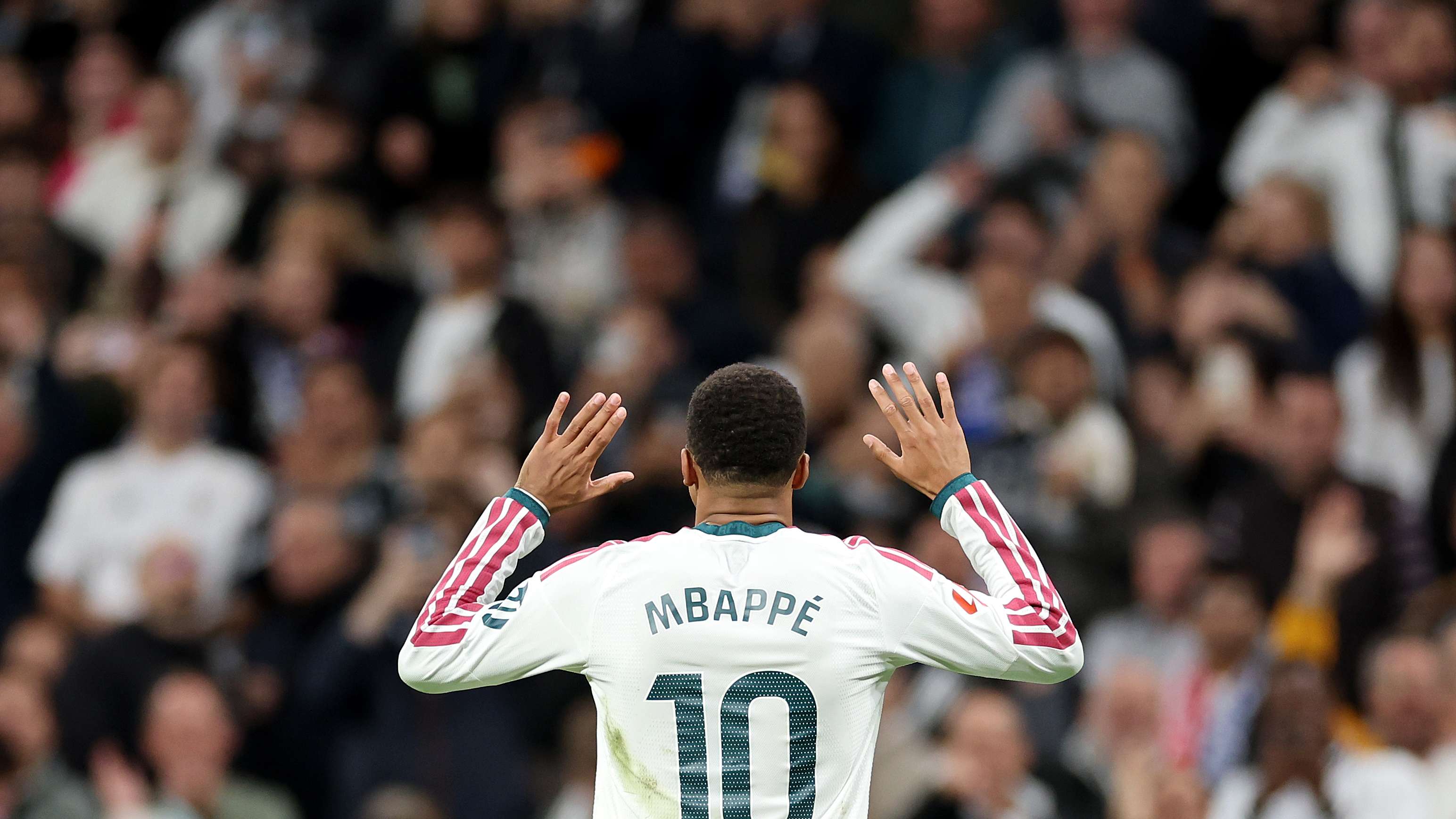
Sevilla questioned the build-up to Mbappé’s goal
Real Madrid’s second goal, scored by Mbappé in the 37th minute, prompted another complaint from Sevilla. The visitors argued that Konaté had fouled Rubén Vargas earlier in the attacking move, before Madrid worked the ball forward and found the net.
Once again, the broadcast did not provide a clear replay of the challenge. González said the incident looked like a foul in midfield, but he explained that the potential consequences would have depended on the referee’s assessment of the situation. If Vargas had been through on goal and the challenge had denied an obvious scoring opportunity, a red card could have been considered.
That distinction is important in football: not every foul that stops an attack automatically merits a dismissal. Referees must consider the player’s control of the ball, the direction of the move, the distance to goal and the presence of defenders. Without a clear view of the challenge and its context, however, fans were left to debate the incident without the evidence they needed.
González was particularly frustrated that such moments were not being shown properly in a stadium equipped with 32 cameras. He argued that poor replay coverage was not acceptable for a top-level competition and raised a wider question about Spain’s ambitions to host the 2030 World Cup final. Spain is competing with Morocco to stage the showpiece match, while Portugal is also a co-host of the tournament.
Did Endrick deserve a penalty against Sevilla?
The most direct penalty debate involving a Real Madrid player came nine minutes into the second half. Endrick went down inside the Sevilla penalty area and appealed for a spot-kick, claiming that defender Castrín had caught him in the face.
The available replays showed two points of contact, but both appeared slight. González did not believe either was enough to justify a penalty, describing the incident as a normal part of the physical contest between players. In his assessment, the contact did not meet the threshold for a foul that should be punished with a spot-kick.
That verdict offers a useful reminder that contact alone does not automatically mean a penalty has been committed. Referees must judge the nature, force and effect of the challenge. A player may feel contact and still not have been fouled under the laws of the game. In Endrick’s case, González considered the contact too minor to warrant intervention.
For supporters searching for a clear answer to the question, “Did Endrick deserve a penalty?”, the expert’s response was no. The incident was not judged to be a punishable offence, and the footage did not provide evidence of a forceful blow or a clear infringement.
Mbappé penalty decision earns expert support
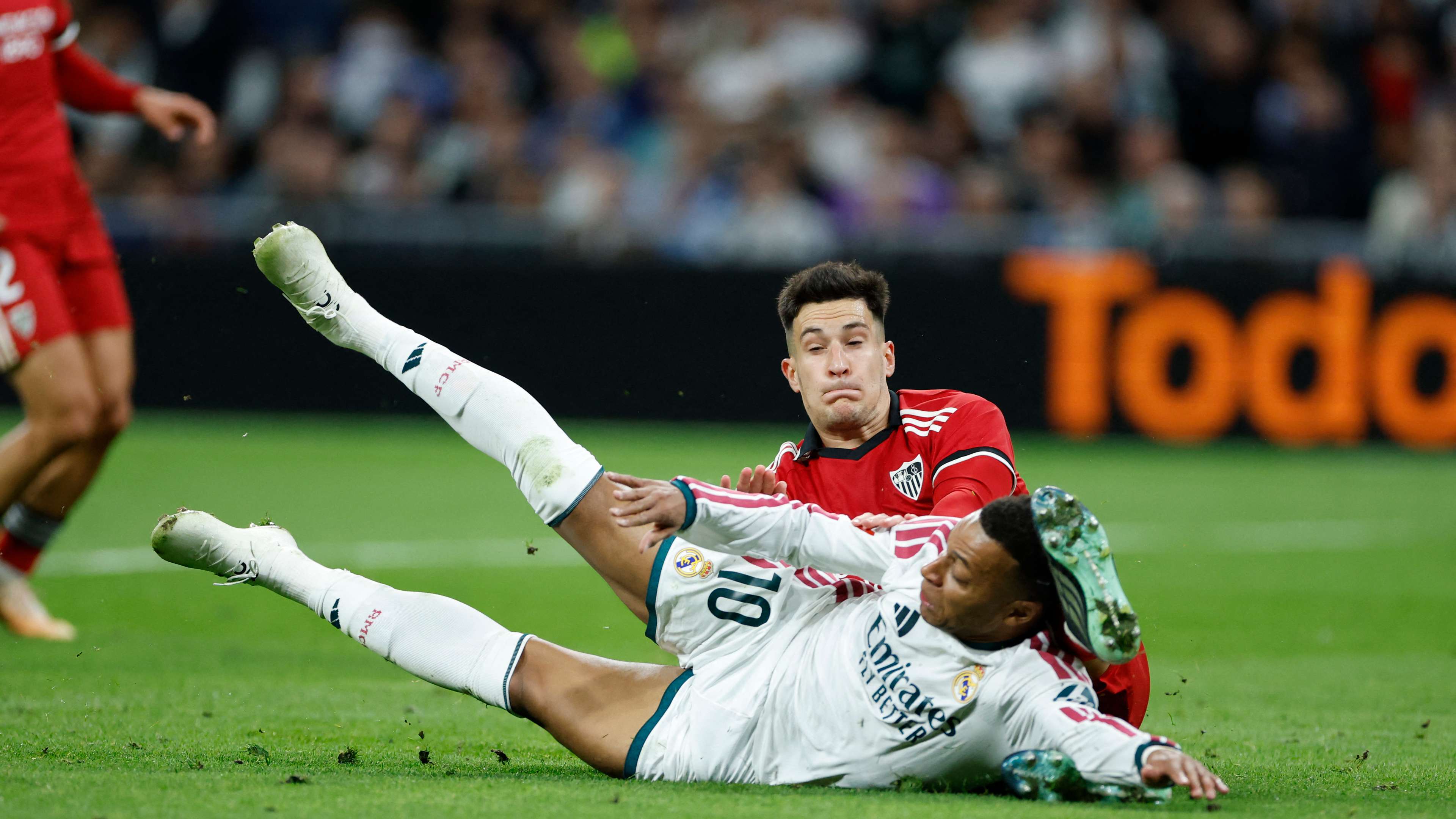
The match’s most consequential penalty call arrived in the 61st minute, when referee Busquets Ferrer pointed to the spot after Castrín brought down Mbappé. The referee made the decision on the field, and VAR did not recommend an overturn.
González backed the call. He said the defender came from behind and caught Mbappé on the leg, making the challenge a foul. His colourful comparison to a rugby tackle reflected his view that the contact was clear enough for the referee to award a penalty without needing a lengthy review.
Unlike the earlier incidents, this decision had a more straightforward outcome: the referee saw the contact, made his call, and VAR found no reason to intervene. That does not mean every supporter will agree, but it illustrates how video review is intended to work. VAR is designed to correct clear and obvious errors, not to re-referee every close decision.
What the controversy means for La Liga
The match highlighted two separate issues: the difficulty of judging fast-moving challenges and the importance of providing clear broadcast images. Even when an expert supports the referee, poor replays can leave questions unanswered and make it harder for viewers to understand why one incident leads to a penalty while another does not.
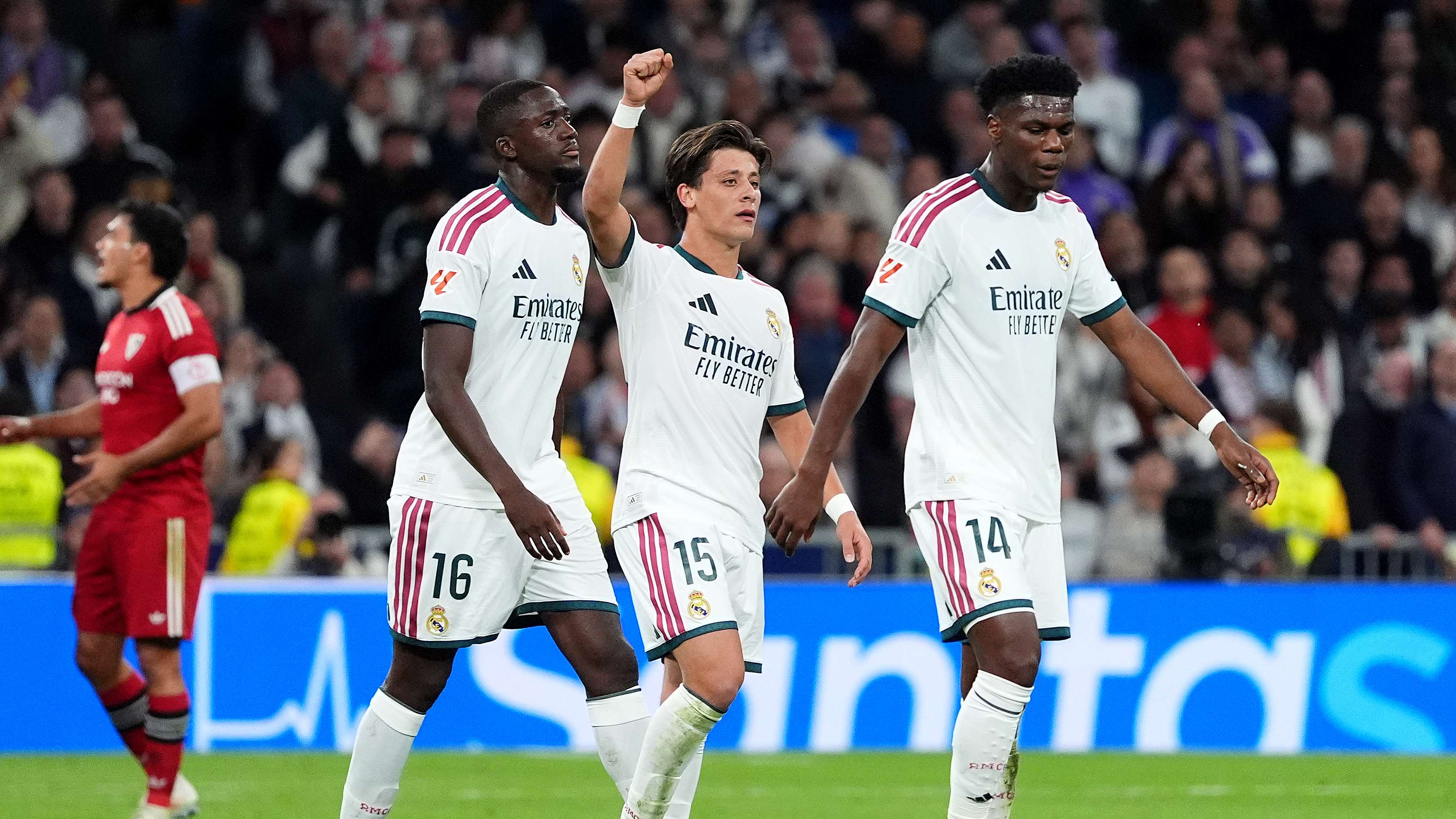
For Real Madrid, the key decisions included a rejected appeal from Endrick and a penalty awarded to Mbappé. For Sevilla, the frustration centred on the possible Güler incident and the challenge on Vargas in the build-up to Madrid’s second goal. The available evidence did not allow González to reach a firm conclusion on every flashpoint, but he was clear about the need for better coverage.
Any football prediction or post-match assessment should therefore account for more than the final score. Refereeing decisions can shape momentum, while the quality of the footage influences how confidently those decisions can be analysed. In this case, González’s clearest message was not about one team receiving favourable treatment: it was that a leading league needs to show its most important moments properly.