
Real Madrid vs Sevilla: Refereeing Controversy Overshadows Mbappé’s Goal
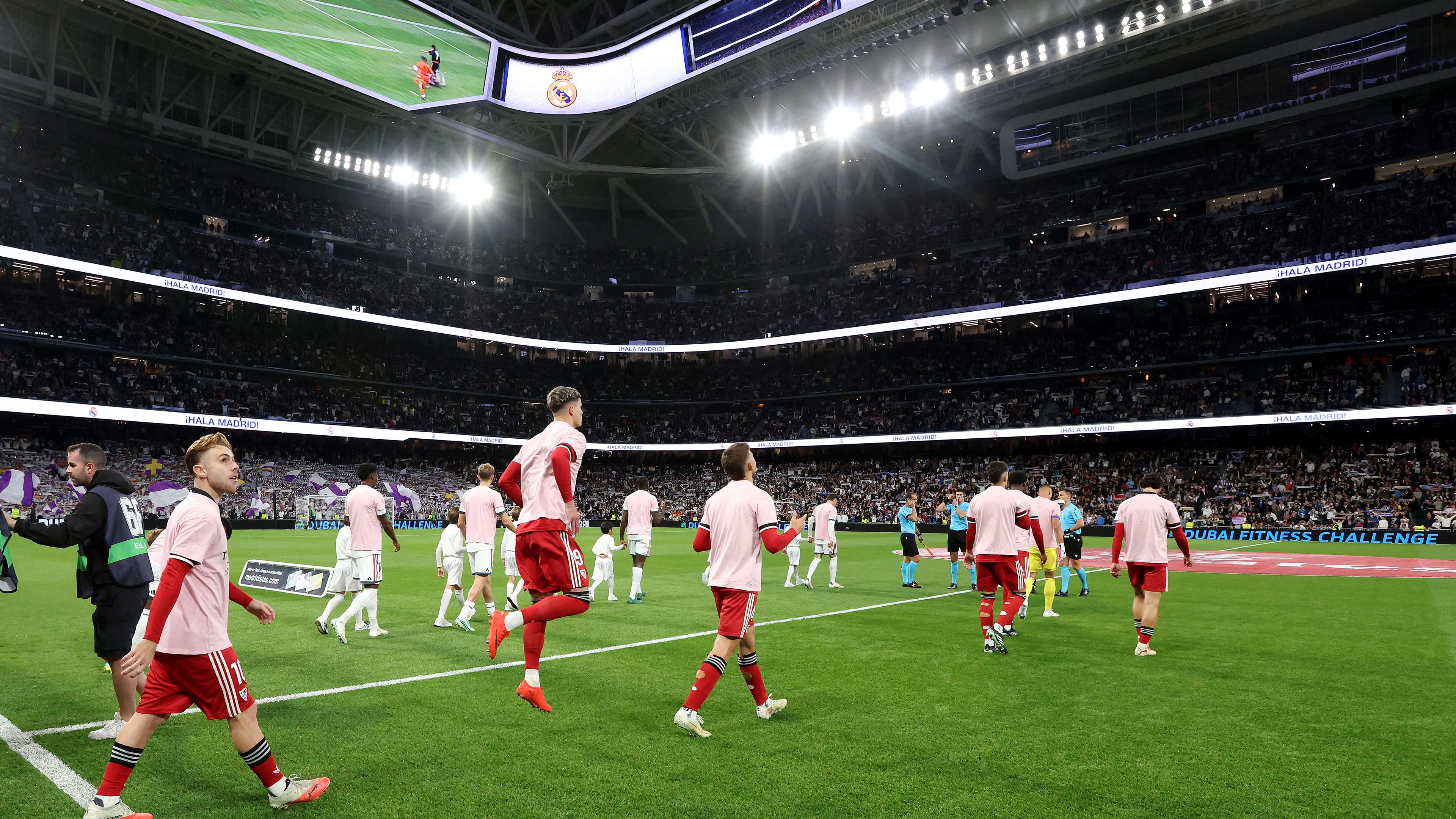
Another contentious refereeing decision has sparked debate after Real Madrid’s clash with Sevilla, with the visitors arguing that a foul should have been called moments before Kylian Mbappé scored the home side’s second goal. The incident quickly became a major talking point, adding fresh tension to a match already marked by protests over the officials’ decisions.
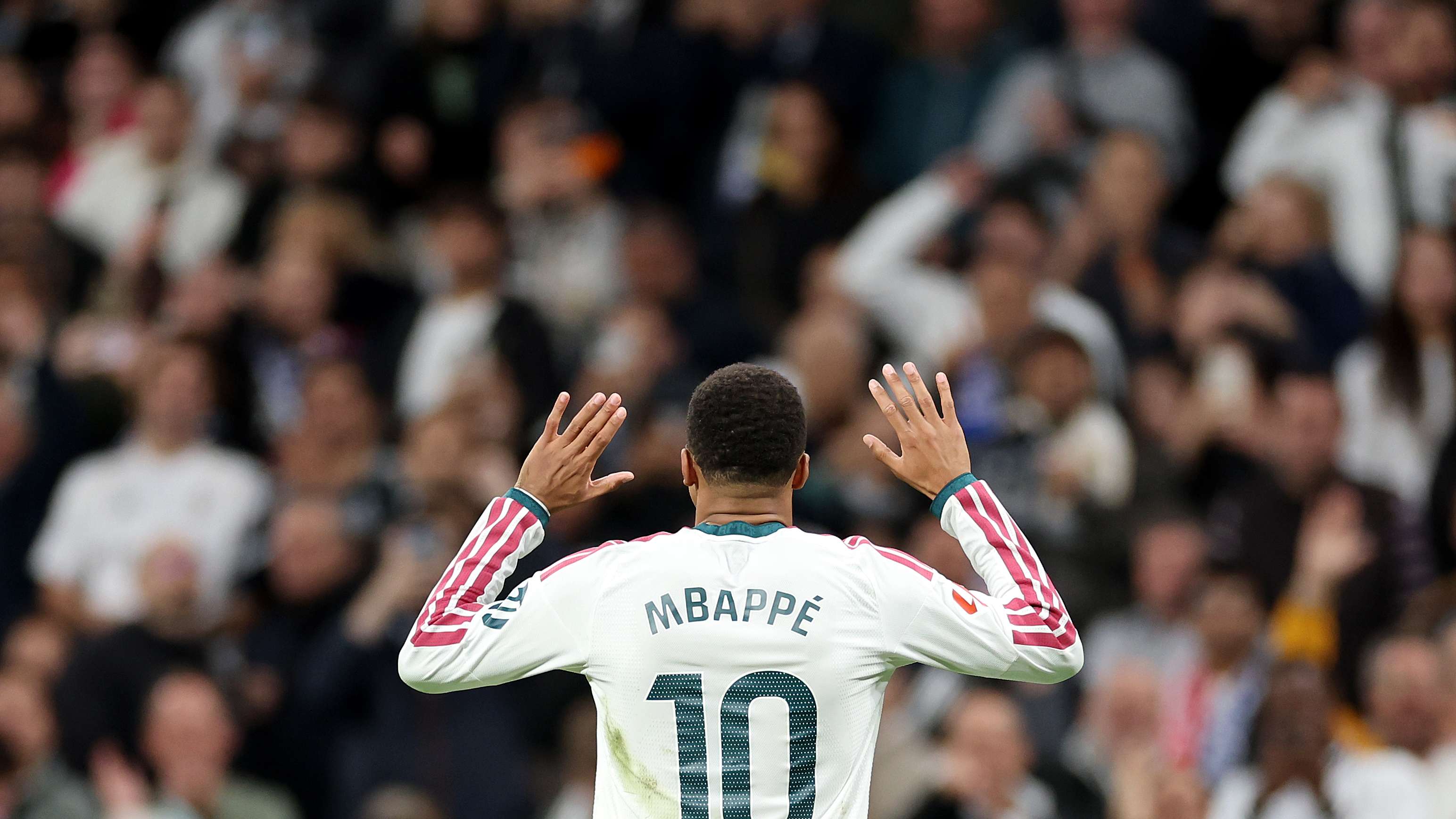
Sevilla’s players believed Jude Bellingham had fouled Fofana during a challenge in the build-up. The referee allowed play to continue, however, and Real Madrid moved the ball forward before Mbappé finished the attack with a composed strike. His goal put Madrid 2-0 ahead, but Sevilla’s reaction was immediate: several players appealed, insisting the move should have been stopped before it reached the scoring stage.
Sevilla question the build-up to Mbappé’s goal
The dispute began as the ball travelled infield from the left flank. Bellingham and Fofana came together in a contest for possession, and Sevilla felt the Madrid midfielder had committed a foul. Because the referee did not whistle, the attack continued uninterrupted, giving the hosts the opportunity to create the chance that Mbappé converted.
For Sevilla, the issue was not simply the quality of the finish or the result of the attack. Their complaint centred on whether the referee should have halted play at the earlier challenge. Had a foul been awarded, the move would likely have ended before Mbappé had the chance to shoot. Instead, the goal stood, leaving the visitors frustrated and prompting renewed scrutiny of the officiating.
Such incidents often generate debate because football’s rules require officials to judge the nature and impact of a challenge in real time. A referee may decide that contact is fair, incidental or insufficient to warrant a free kick, even when the player who loses possession sees it differently. Without a whistle, the attacking team is entitled to continue, and any goal scored from the resulting play can remain valid unless a review process identifies a clear reason to intervene.
Earlier flashpoint adds to the frustration
The controversy surrounding Mbappé’s goal was not the only moment that drew Sevilla’s attention. Earlier in the match, Arda Güler caught Peque Fernández with his elbow during a challenge. Sevilla players believed the incident deserved a red card, but Güler remained on the pitch. He later opened the scoring for Real Madrid, a sequence that intensified the visitors’ sense that key decisions had gone against them.
That earlier episode shaped the atmosphere around the second goal. When Sevilla saw another challenge involving a Madrid player go unpunished, their protests became more forceful. From the visitors’ perspective, the two incidents formed a pattern: Güler avoided a sending-off, then scored, while Bellingham’s challenge was waved away before Mbappé found the net.
It is important, however, to separate the individual decisions. A potential red-card incident and a disputed foul in the build-up to a goal involve different considerations. Officials must assess the force, intent and point of contact in an elbow incident, while a challenge for the ball is judged according to whether it involves unfair contact or an illegal attempt to win possession. The fact that both moments benefited Madrid in Sevilla’s view does not, by itself, establish that either decision was incorrect.
Why the decisions became a major talking point
High-profile matches between leading clubs tend to place refereeing decisions under intense scrutiny, particularly when they influence goals or disciplinary outcomes. Real Madrid and Sevilla both have large, passionate followings, and a controversial moment can quickly become the defining story of the contest. In this case, Mbappé’s finish might otherwise have been discussed mainly for its execution; instead, attention shifted to the challenge that preceded it.
For supporters following the game, the key question is whether the contact between Bellingham and Fofana was enough to justify a foul. Replays and different viewing angles can help clarify what happened, but they do not always remove disagreement. Football decisions often depend on details such as who reached the ball first, whether a player used excessive force, and whether the contact materially affected the opponent’s ability to continue.
Video review can also be relevant in goal situations, though the scope of intervention depends on the competition’s rules and the specific review protocol. A referee’s on-field decision is not automatically overturned simply because players protest or a replay appears debatable. The threshold for intervention is generally designed to correct clear errors rather than re-referee every close challenge, a distinction that can leave teams dissatisfied when a marginal decision has a major consequence.
What the controversy means for the match
Mbappé’s goal gave Real Madrid a significant advantage, while Sevilla were left to manage both the scoreline and their frustration with the officiating. When a team believes decisions have gone against it, maintaining concentration becomes an additional challenge. Players must quickly return to the game plan rather than allow protests to disrupt their shape, communication or attacking rhythm.
For Madrid, the incident offered another example of how quickly a match can turn on a single moment. The team continued its attack, Mbappé supplied the finish, and the goal counted. For Sevilla, the same sequence represented a missed opportunity to have play stopped and a decision they felt should have been reviewed more closely.
The debate is likely to continue among fans and analysts, particularly because the goal followed an earlier flashpoint involving Güler and Fernández. Still, the final assessment rests on the referee’s interpretation of each challenge and any review conducted under the applicable rules. Until that is clear, supporters will continue to weigh the available footage and argue over whether the decisions were fair.
Football prediction and the wider impact
Controversies like this can influence how fans approach a football prediction, but they should not be the only factor in assessing a team’s prospects. A disputed goal may change the score and emotional momentum, yet match outcomes also depend on finishing, defensive organisation, substitutions and how effectively each side responds under pressure. Sevilla’s ability to recover after falling behind, and Madrid’s capacity to control the game, are just as important when evaluating what might happen next.
Ultimately, the Real Madrid-Sevilla encounter delivered both a clinical Mbappé finish and a fresh refereeing row. Sevilla argued that the move should have been stopped for a foul on Fofana, while their earlier anger over Güler’s challenge on Peque Fernández added to the sense of grievance. Whether viewed as fair play or a missed call, the sequence has ensured that the officials’ decisions remain central to the post-match conversation.