
Samu Aghehowa Opens Up About the Emotional Toll of Missing Spain’s World Cup Campaign
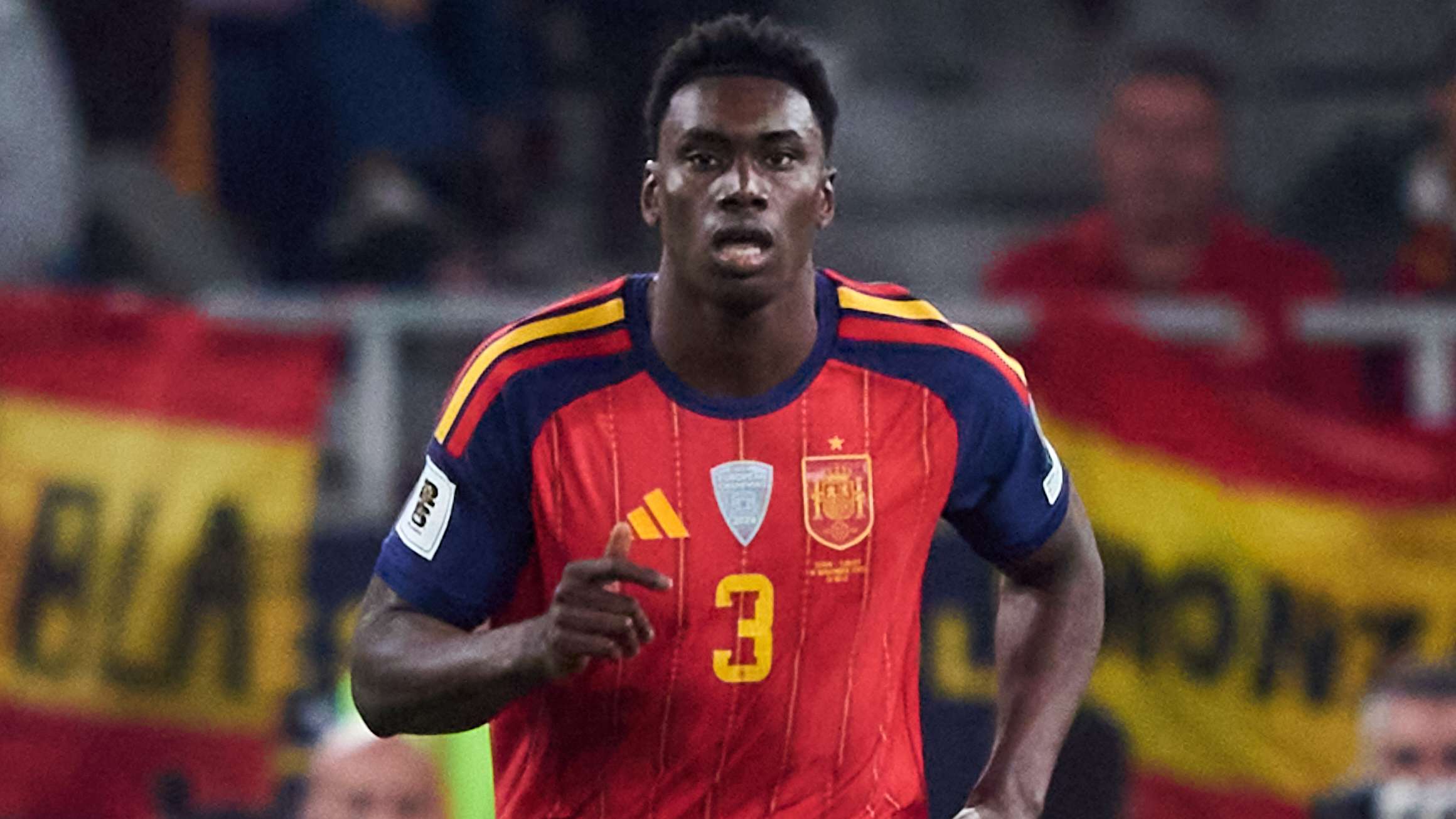
The world of football is often celebrated for its electrifying moments, dramatic victories, and unforgettable performances. However, behind the scenes, players often grapple with intense emotional struggles, especially when faced with injuries that threaten their careers and dreams. One such compelling story is that of Porto striker Samu Aghehowa, who recently shared his heartfelt experience of missing out on Spain’s highly anticipated World Cup journey due to a devastating knee injury.
The Pain of Injury: A Young Player’s Journey Through Rehabilitation
At just 22 years old, Samu Aghehowa had been making significant strides in his professional football career, demonstrating exceptional talent and determination. His aspirations to represent Spain on the global stage appeared within reach, fueling his dedication on the training ground and during matches. However, during a crucial phase of his development, he suffered a severe setback: a ruptured cruciate ligament in his knee. This injury not only sidelined him from playing but also initiated a grueling 223-day rehabilitation process.
Recovering from such an injury is one of the most challenging phases in a footballer’s career. It demands unwavering mental resilience, physical discipline, and a positive mindset. For Aghehowa, the journey was particularly arduous. The long months of physiotherapy, the pain, and the uncertainty about his future created a mental storm that tested his resolve. The emotional toll was compounded by the knowledge that he would miss the opportunity to be part of Spain’s World Cup squad—a tournament that only comes once every four years and is considered the pinnacle of international football.
The Psychological Impact: Watching from Afar
Aghehowa’s reflections reveal a profound sense of loss and frustration. “Watching the World Cup unfold without me was incredibly tough,” he admits. “As a footballer, your dream is to compete at the highest level, and to see my country vying for glory on the world stage while I was stuck on the sidelines was heartbreaking.” His account underscores a broader issue faced by many professional athletes—how injuries can lead to feelings of alienation, helplessness, and even depression.
The psychological impact of missing out on such a prestigious event cannot be overstated. The World Cup is more than just a tournament; it’s a showcase of national pride, personal achievement, and lifelong dreams. For players like Aghehowa, who have dedicated years to reaching this stage, the emotional void created by injury can be overwhelming. Yet, his story also highlights resilience—his determination to return stronger and more prepared for future opportunities.
What This Means for Football Prediction and Player Development
Aghehowa’s experience offers valuable insights into the importance of injury prevention and psychological support in professional football. As fans and analysts eagerly make predictions for upcoming matches and tournaments, understanding the human stories behind the game adds a new layer of depth. Injuries like Aghehowa’s remind us that football is not just about skill and tactics but also about the physical and mental well-being of players.
In the realm of football prediction, analysts increasingly consider the health status of key players, as injuries can significantly influence match outcomes. The absence of a striker like Aghehowa in a team’s lineup might alter team dynamics and tactical approaches, affecting betting odds and predictions. Moreover, clubs and federations are investing more in injury management programs and mental health support systems to mitigate such setbacks and ensure players can perform at their peak when it matters most.
The Road to Recovery: A Testament to Resilience
While Aghehowa’s journey was fraught with challenges, his story is also one of hope and perseverance. After months of meticulous physiotherapy, he gradually regained his strength and confidence. His return to training marked a new chapter, driven by a renewed determination to reclaim his spot in the football world. His experience serves as an inspiration for young players navigating similar setbacks, emphasizing that setbacks are temporary and resilience is key to overcoming adversity.
Looking ahead, Aghehowa is optimistic about his future prospects. He remains committed to his development and aims to contribute significantly to Porto’s squad in upcoming seasons. His story also underscores the importance of mental resilience in football—an aspect increasingly recognized by clubs, coaches, and sports psychologists as vital for sustained success.
Broader Context: The Impact of Injuries on Football Careers
Aghehowa’s case is not isolated. Many talented players have faced similar setbacks, including renowned stars like Marco Reus, Alexandre Lacazette, and Christian Eriksen, who have all battled injuries that threatened their careers. Their journeys highlight the unpredictable nature of football, where talent alone is not enough; resilience, proper medical care, and psychological support are crucial components of long-term success.
Furthermore, the growing focus on injury prevention and player wellness is reshaping how clubs approach player management. Advanced medical technologies, personalized training regimens, and mental health initiatives are becoming standard in top-tier clubs, all aimed at reducing injury risks and helping players bounce back stronger.
The Future of Football Prediction: Incorporating Human Stories and Data
As the football industry continues to evolve with data analytics and predictive modeling, understanding the human element—such as injury history and mental health—is becoming increasingly vital. Accurate predictions for matches and tournaments now consider not just team form and tactical setups but also player availability and psychological resilience.
In the case of Aghehowa, future predictions might factor in his recovery timeline and fitness levels, influencing betting odds and expert forecasts. Fans and analysts who recognize the importance of these human stories will have a richer, more nuanced understanding of the game, moving beyond mere statistics to appreciate the resilience and determination that define football’s most inspiring narratives.
Conclusion: A Player’s Resilience Reflects the Spirit of Football
Samu Aghehowa’s candid account of missing out on Spain’s World Cup campaign serves as a powerful reminder of the emotional and psychological challenges faced by professional footballers. His journey underscores the importance of resilience, mental health support, and the human stories that make the sport so compelling. As fans eagerly anticipate future tournaments and predictions, Aghehowa’s story inspires hope and determination, exemplifying the true spirit of football—a game where setbacks are merely setups for comebacks.
In a sport driven by passion, skill, and strategic insight, recognizing the resilience of players like Aghehowa enriches our understanding and appreciation. It reminds us that behind every prediction and every match result, there are human stories of perseverance, sacrifice, and unyielding hope—elements that make football the beautiful game it is today.