
Jay Shah Re-Elected Unopposed as ICC Chair Through December 2030
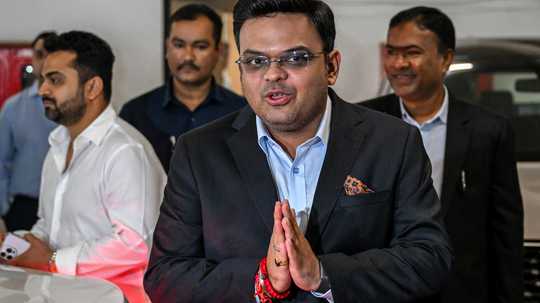
Jay Shah has been re-elected unopposed as chair of the International Cricket Council (ICC), securing another three-year term after members backed continuity and stability at a Board meeting in Bali. The decision keeps Shah in the role until December 2030 and comes as cricket prepares for a period of significant change, including its return to the Olympic Games and efforts to expand the sport’s global reach.
Shah took office in December 2024. His first term is scheduled to run through December 2027, with his second term beginning immediately afterward and ending in December 2030. Under the ICC Constitution, a chair may serve a maximum of two three-year terms.
ICC Members Back Continuity at a Pivotal Time
The ICC said members supported Shah’s continued leadership because the organisation faces important strategic decisions. Global expansion, growing fan interest and commercial development are central to its plans, while cricket’s Olympic return at Los Angeles 2028 offers a major opportunity to introduce the game to new audiences.
The endorsement also arrives as the ICC develops a longer-range programme of competitions. A broader and more consistent calendar can help provide teams with regular opportunities to compete, while creating clearer pathways for players and cricketing nations at different stages of development. For emerging cricket markets in particular, sustained international exposure can be vital to building participation, attracting investment and strengthening local programmes.
These ambitions present both opportunity and complexity. The ICC must coordinate the interests of members with different resources, priorities and cricketing traditions. It also needs to balance established formats and events with innovation, new audiences and evolving commercial expectations. Shah’s re-election signals that members believe continuity in leadership can help guide that work.
Shah Pledges to Turn Ambition Into Action
In response to the Board’s support, Shah described the role as both a privilege and a responsibility. He said he would continue working with ICC members to advance cricket internationally, emphasising the sport’s ability to bring people together.
Shah also said the focus would be on translating the organisation’s ambitions into practical progress and creating a legacy for future generations. That goal will be measured not only by major events, but also by whether more people can access the game, whether developing nations receive meaningful opportunities, and whether cricket remains compelling for supporters across different regions.
His comments reflect a broad challenge facing the sport: how to grow without losing the qualities that make cricket distinctive. The game’s formats, histories and local cultures vary widely, yet international competition gives members a shared platform. The ICC’s task is to support that diversity while building a sustainable structure for the sport’s future.
ECB Chief Highlights Tradition and Innovation
Richard Thompson, chair of the England and Wales Cricket Board (ECB), congratulated Shah on his continued appointment. Thompson said cricket’s future would depend on balancing its traditions with the possibilities created by innovation, new audiences and changing commercial conditions.
He also highlighted the ICC’s role in bringing members together to shape a sustainable direction for international cricket. That coordination will matter as the sport navigates a crowded global calendar, changing viewing habits and increased competition for fans’ attention. Collaboration among boards can help ensure that major decisions benefit the wider game rather than only its most established markets.
Olympic Return Adds Momentum to Cricket’s Global Plans
Cricket’s inclusion at the Los Angeles 2028 Olympics is one of the most visible milestones ahead. An Olympic appearance could introduce the sport to viewers who may not regularly follow international cricket, while creating new opportunities for participating nations to raise the game’s profile at home.
The event also makes preparation especially important. National teams, organisers and the ICC will need to build awareness, attract spectators and present a format suited to the Olympic programme. Success could support long-term growth, but the impact will depend on whether interest continues after the Games through domestic competitions, youth participation and accessible pathways into the sport.
Commercial development is another part of the picture. New audiences can create opportunities for broadcasters, sponsors and event organisers, but growth must be managed carefully. A sustainable approach means protecting the value of international cricket, supporting member boards and ensuring that development is not limited to countries with the largest existing fan bases.
What Shah’s Second Term Could Mean for Cricket
Shah’s re-election provides the ICC with leadership continuity through December 2030, a period that will include the build-up to Los Angeles 2028 and the implementation of its longer-term competition plans. The central test will be turning strategic goals into visible outcomes: broader participation, stronger development pathways, engaging international events and a more connected global cricket community.
For supporters following cricket news, the decision is not simply a change in administration. It sets the stage for discussions about how the sport should grow, how its calendar should evolve and how it can welcome new fans while respecting its established traditions. Any prediction about cricket’s future must account for these competing priorities, but Shah’s renewed mandate gives the ICC time to pursue its plans with a consistent leadership structure.
With backing from its members, Shah now faces the task of delivering on that confidence. The coming years will show whether the ICC can turn the promise of Olympic exposure, expanded competition and rising global interest into lasting progress for cricket at every level.