
India Could Bid to Host Major ICC Tournaments in the 2032–35 Cycle
India may have an opportunity to host more major international cricket tournaments during the International Cricket Council’s 2032–35 event cycle. The ICC has confirmed the scheduling windows for several future competitions, and three of the tournaments are set to take place during periods that could suit India as a host.
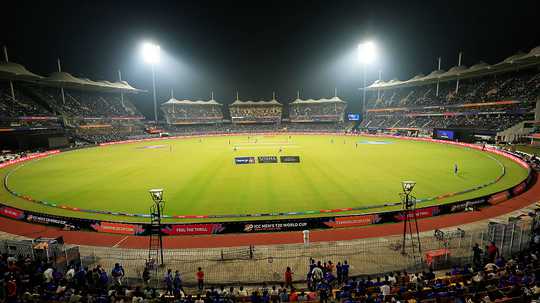
The plans were discussed at the ICC’s meeting in Bali, which concluded on November 15. The confirmed schedule includes two T20 World Cups, a Champions Trophy and an ODI World Cup. While the dates create potential opportunities for India, hosting rights have not yet been awarded. The ICC is expected to invite bids from member boards, leaving the Board of Control for Cricket in India (BCCI) to decide whether it wants to pursue any of the available events.
Three tournament windows could suit India
The T20 World Cup is scheduled to run from October 14 to November 14, 2032. The Champions Trophy will follow from October 2 to 23, 2033, while the 2035 ODI World Cup is planned for October 2 to November 18. These dates are considered favourable for India, making the country a possible contender for one or more hosting bids.
India is already due to stage the 2029 Champions Trophy and co-host the 2031 ODI World Cup with Bangladesh. The next cycle would therefore present a fresh set of choices for the BCCI, rather than an automatic continuation of its current hosting commitments.
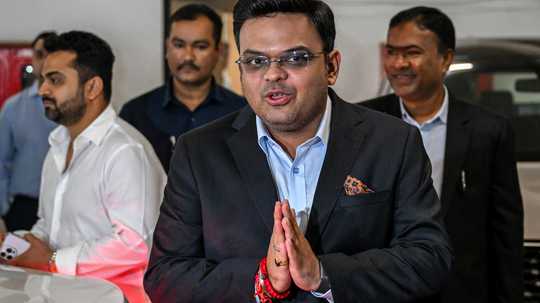
An ICC member who attended the Bali meeting said the decision would ultimately rest with India’s cricket board. The source also noted that an event hosted in India can be commercially valuable for the ICC. That financial consideration may make India an attractive candidate, although the tournament calendar, logistics and competition from other member boards will also influence the bidding process.
Could India host another ODI World Cup so soon?
The 2035 ODI World Cup may be the most complicated prospect for India. With the country already scheduled to co-host the 2031 edition, securing the next tournament could mean staging two World Cups in consecutive cycles. That is not without precedent: England hosted the first two men’s ODI World Cups, in 1975 and 1979. However, those tournaments took place in a very different era, when the global cricket calendar and hosting arrangements were less extensive.
For modern events, the ICC must consider whether repeating a host country offers the best balance for the sport. A 2035 bid from India could face questions about regional rotation, infrastructure demands and opportunities for other cricket boards. The fact that India would be sharing the 2031 event with Bangladesh may also shape how decision-makers assess its case for hosting the 2035 tournament independently.
At this stage, there is no indication that India will bid for a specific event. The BCCI will need to weigh the potential benefits against the scale of each competition, including venue readiness, security, travel arrangements and the impact on India’s domestic and international cricket schedule.
World Test Championship to remain a nine-team competition
The ICC also decided that the World Test Championship (WTC) will continue with nine teams for now. Proposals had been raised to include Zimbabwe, Afghanistan and Ireland, but the Bali meeting did not approve an expansion.
That means the competition will remain unchanged at least until 2029. The ICC could revisit the question when it considers the 2029–31 WTC cycle, but no timetable for a broader format has been confirmed.
Keeping the WTC at nine teams offers continuity for the existing structure, but it also leaves a longer-term question about how emerging Test nations can gain access to the championship. Any future expansion would need to account for the demands of a multi-year Test schedule, including player availability, travel costs and the need for teams to play enough matches to compete meaningfully.
Franchise cricket rules still under discussion
No immediate decision was made on franchise leagues, despite reports that the ICC was considering a stricter approach to their regulation. Instead, the Bali meeting pointed towards further consultation with leagues and relevant stakeholders before a policy is finalised.
An ICC source said the organisation intends to discuss the matter with franchise competitions before reviewing the issue and developing a sanctioning process. Greater clarity is expected at a future meeting, though no specific date or set of rules has yet been announced.
The issue matters because franchise cricket has expanded rapidly, creating more opportunities for players while adding pressure to an already crowded international calendar. A consistent approval system could help clarify how leagues operate alongside national commitments and ICC events. Until the ICC sets out its approach, players, boards and tournament organisers will continue to navigate a changing landscape.
What the decisions mean for cricket fans
The latest announcements provide a clearer outline of the international calendar beyond 2031, but several important questions remain open. India’s possible role as a host will depend on whether the BCCI chooses to bid and how the ICC evaluates competing proposals. The dates make India a plausible candidate for the 2032 T20 World Cup, 2033 Champions Trophy or 2035 ODI World Cup, but none is guaranteed to be staged there.
For fans following cricket prediction and tournament planning, the confirmed windows offer an early guide to when the biggest global events may take place. However, hosting speculation should be treated cautiously until the ICC completes its bidding process and announces the selected venues. The same applies to the future of the WTC and franchise-league regulation: the Bali meeting established the current direction, while leaving room for further review.
In the coming years, the BCCI’s priorities will become clearer as the next cycle approaches. India’s commercial reach and established stadium network could strengthen its case, but the final decision will involve more than market size. The ICC will also need to balance competitive opportunity, regional representation and the practical demands of staging major tournaments across a packed global cricket calendar.