
Saudi Arabia U17s Suffer Heavy Defeat to Egypt After Gulf Cup Celebration
Saudi Arabia’s football celebrations proved short-lived. Just days after the senior national team lifted the Arabian Gulf Cup, the country’s under-17 side endured a painful 5-0 loss to Egypt in their opening match of the Arabian Gulf Youth Cup in Qatar.
The contrasting results have put the spotlight on the gap between the senior team’s recent success and the challenges facing Saudi Arabia’s next generation. For supporters, the defeat was more than a disappointing scoreline: it raised urgent questions about the youth side’s preparation, resilience and ability to respond under pressure.
A promising first half gives way to a dramatic collapse
The match began with little to separate the teams. Saudi Arabia and Egypt went into halftime level at 0-0, offering the Saudi players a platform to build on after a disciplined opening period. But the contest changed sharply after the break, as Egypt found space, increased the pressure and turned its chances into goals.
Mohamed Gamal broke the deadlock from the penalty spot in the 54th minute. Egypt’s second did not arrive until the 80th minute, when Ziad Saudi found the net. From there, the scoreline escalated rapidly: Ahmed Safwat struck in the 85th minute, Khaled Mahmoud added another in the sixth minute of stoppage time, and Ahmed Bashir completed the 5-0 result two minutes later.
The late goals made the defeat especially difficult for Saudi Arabia. Conceding once can shift a match, but allowing four more goals after the first breakthrough points to a team that struggled to regain control. Egypt, meanwhile, showed how quickly a close football match can become one-sided when a side capitalizes on momentum and defensive uncertainty.
The contrast with senior-team success
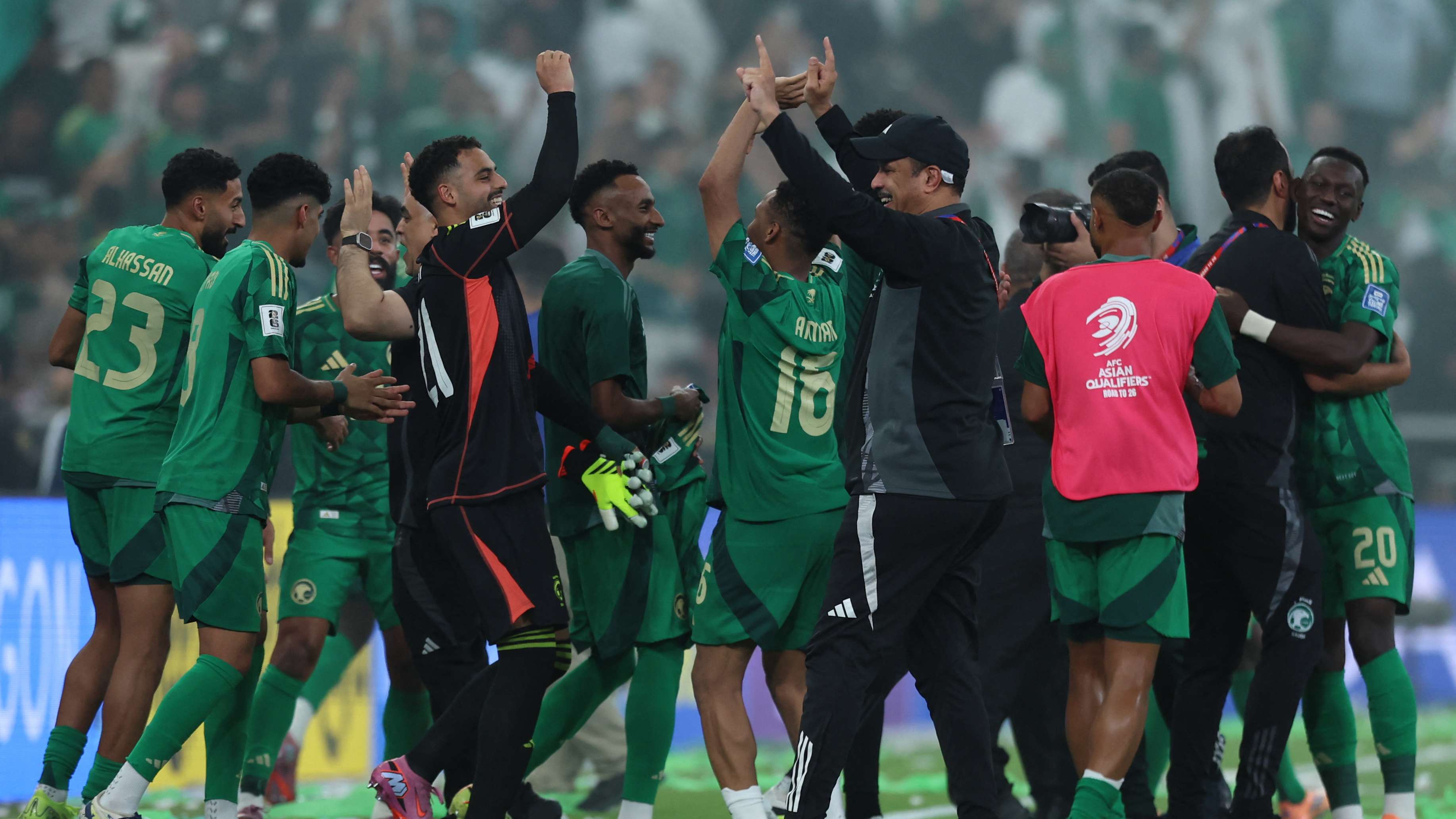
The under-17 loss came against the backdrop of a major achievement for Saudi Arabia’s senior side. On 6 October, the senior team defeated the United Arab Emirates 2-0 in the final of the Arabian Gulf Cup, known as “Gulf 27,” to claim the title after a 23-year wait.
That victory generated optimism around Saudi football, but success at senior level does not automatically translate into results in youth tournaments. Under-17 players are still developing physically, tactically and emotionally, and tournament football can expose weaknesses quickly. The senior team’s trophy may raise expectations, yet the youth side must be assessed on its own progress, preparation and response to setbacks.
The timing nonetheless sharpened the contrast. The senior players had barely finished celebrating before the youth team faced a difficult opening test. For fans, the two results served as a reminder that building a strong national football program requires sustained work across every age group—not just success from the first team.
Saudi supporters demand a response
Saudi fans reacted angrily to the heavy defeat, criticizing the level of performance and calling for the team’s course to be corrected quickly. Their frustration is understandable: a 5-0 loss in the opening fixture leaves little room for complacency and places immediate pressure on the players and coaching staff.
Still, the most useful response will need to go beyond blame. The coaching team will have to examine how the match changed after Egypt’s penalty, whether the defensive shape remained organized, and how the players handled the final stages. The team’s ability to communicate, protect its goal and stay composed when trailing will be crucial in the matches ahead.
For the players, the challenge is to turn a painful result into a learning opportunity. A strong reaction in the next fixture could help restore confidence and show that the squad can adapt. In youth football, development is not measured by one result alone; it is also reflected in how a team responds when its plans are disrupted.
What lies ahead in Group B?
Saudi Arabia are in Group B alongside Iraq, Kuwait, Yemen and Egypt. The Arabian Gulf Under-17 Youth Cup is being hosted by Qatar and is scheduled to continue until 4 November. Egypt and China have been invited to take part in the tournament alongside the Gulf teams, adding opponents from outside the region to the competition.
The opening defeat leaves Saudi Arabia with work to do, but the group stage still offers opportunities to recover. The team will need to improve its defensive concentration, manage pressure more effectively and make better use of possession. Just as importantly, the players must avoid allowing one result to define the rest of their campaign.
With several group matches remaining, the tournament can still provide valuable experience. Facing Iraq, Kuwait and Yemen will test Saudi Arabia against different styles of football, while the Egypt match has already highlighted the cost of losing shape late in a contest. Coaches can use those lessons to make practical adjustments before the next game.
Prediction: Saudi Arabia must show resilience
Any prediction about Saudi Arabia’s remaining campaign should be cautious after such a heavy opening loss. The scoreline suggests serious problems to address, but it does not by itself reveal how the team will perform in its next match. If the players can regain confidence and tighten their defensive organization, they may still compete for progress from Group B.
The immediate priority is a calmer, more disciplined performance. Saudi Arabia will need to defend as a unit, avoid unnecessary fouls in dangerous areas and stay focused through the final whistle. If the side can limit mistakes and respond with greater composure, it can begin to rebuild momentum. If the late collapse becomes a pattern, however, the group-stage challenge will grow considerably harder.
For now, the 5-0 defeat is a sobering start to Saudi Arabia’s Arabian Gulf Youth Cup campaign. The senior team’s recent triumph remains a source of pride, but the under-17 side must write its own story—beginning with how it responds to Egypt’s emphatic victory.