
Barcelona Reconsider January Defensive Reinforcements After PSG Defeat
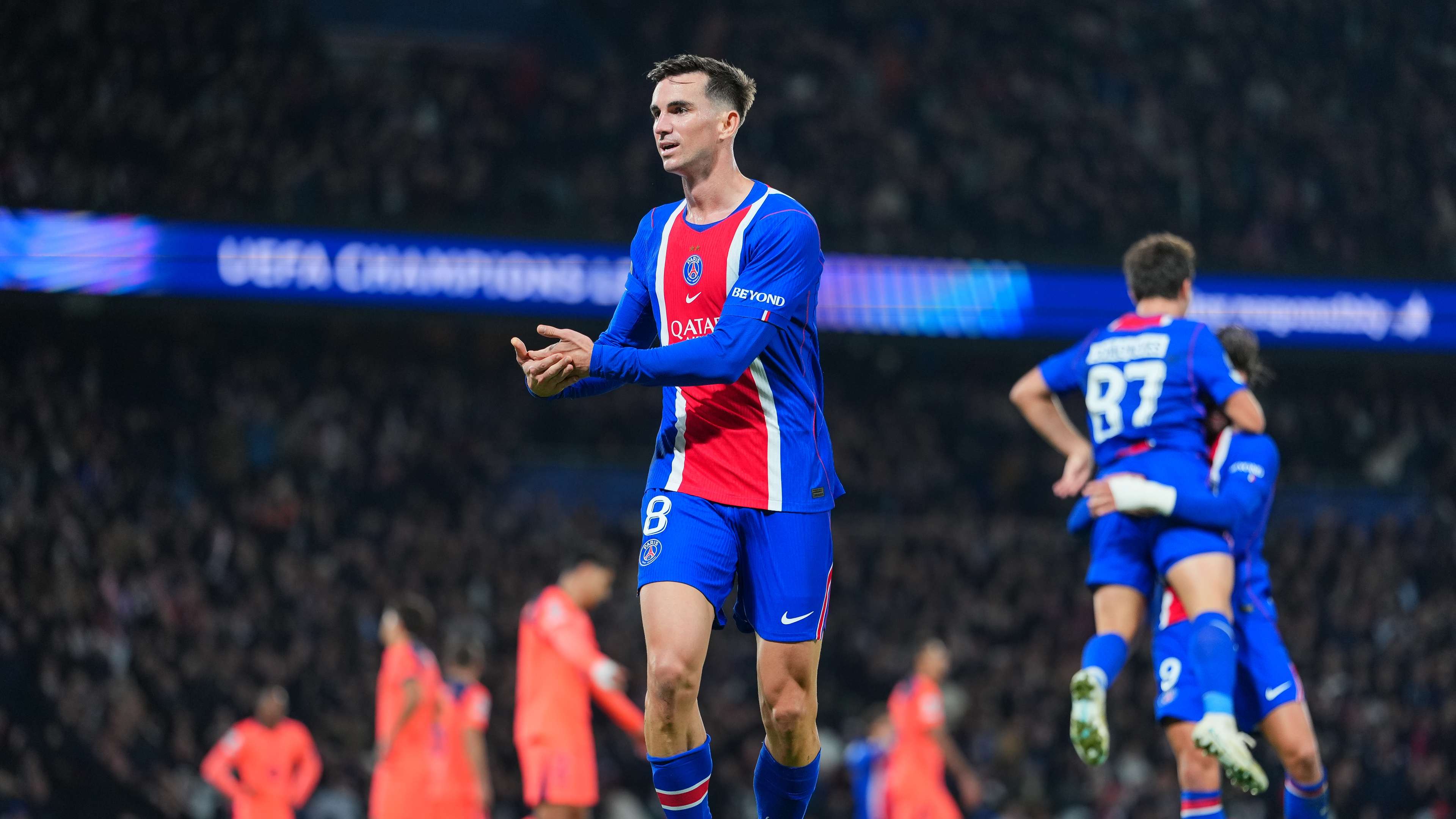
Barcelona’s 4-2 defeat to Paris Saint-Germain has renewed questions about the strength and depth of the club’s defence. The Champions League match exposed vulnerabilities across the back line, prompting the sporting department to reconsider whether the squad needs an experienced defender when the January transfer window opens.
According to the Catalan newspaper Sport, Barcelona have started discussing potential additions at either centre-back or full-back. The result against PSG offered a sharp reminder that attacking quality alone may not be enough to compete with Europe’s strongest teams. For supporters searching for the latest Barcelona transfer news and a football prediction about the club’s next move, the central question is whether financial and squad constraints will allow the board to act.
PSG exposed problems across the back line
Barcelona conceded four goals in Paris, with goalkeeper Joan Garcia making a series of important saves to prevent the scoreline from becoming even more damaging. His performance helped keep the team in contention during difficult periods, but it could not hide the defensive issues in front of him.
PSG found space on both flanks and took advantage of gaps between Barcelona’s defenders. Positioning errors in the centre-back area also made it difficult for the visitors to control dangerous attacks. Those weaknesses raised fresh doubts about whether the current group can consistently handle the speed, movement and physical demands of high-stakes European fixtures.
One defeat does not necessarily mean Barcelona must overhaul their defence. However, the PSG match gave the coaching staff a detailed example of where opponents can cause problems. Improving communication between defenders, protecting the space behind the full-backs and maintaining a more compact shape could help in the short term. A new signing, meanwhile, might provide additional experience and competition across a demanding season.
Bastoni was among Barcelona’s summer targets
Defensive recruitment was considered before the season began. Sport reports that Deco and the sporting department examined the possibility of bringing in a high-level defender, with Italy international Alessandro Bastoni among the leading names discussed.
Head coach Hansi Flick ultimately preferred to assess the players already at the club. He wanted Pau Cubarsí and Gerard Martín to have the opportunity to establish themselves, believing they could form a workable centre-back partnership. Barcelona were also linked with Aymeric Laporte, but the club eventually directed its resources towards strengthening the attack.
That summer strategy reflected a belief that more firepower could help Barcelona decide close matches. The PSG result has not erased the value of that approach, but it has renewed the debate over balance. A team can create chances and score regularly, yet still struggle against elite opposition if its defensive structure leaves too much space to exploit.
Full-back uncertainty adds to Flick’s concerns
Barcelona’s difficulties are not limited to the middle of the defence. The club had hoped to reshape its full-back options, but attempts to facilitate the departure of Jules Koundé or Alejandro Balde did not produce the changes the sporting department wanted. Without those exits, there was little room to bring in replacements.
Instead, Barcelona brought João Cancelo back into the squad and gave young Xavi Espart an opportunity. Cancelo offers technical quality and attacking intent, but the coaching staff may want stronger defensive assurances in certain match situations. On the left, Balde’s return from a lengthy absence is another encouraging development, although he appeared short of match rhythm against PSG.
Koundé’s position has also become a subject of discussion. His standing in the team has reportedly weakened, and he may face increased competition for a starting role. The situation illustrates the challenge facing Flick: Barcelona need dependable options across both sides of the defence, but changing the personnel is difficult when the existing squad is already under financial and registration pressure.
Injuries have reduced Barcelona’s defensive options
Fitness problems have made the situation more complicated. Flick has had to manage the absences of Eric García and Koundé, while Andreas Christensen continues to deal with physical issues. When several defenders are unavailable at once, the coach has fewer opportunities to rotate players or maintain a consistent back line.
Flick is understood to value García’s ability to organise the defence. The versatile defender can cover at centre-back or full-back, giving the coach an option in more than one position. Cubarsí, meanwhile, remains one of Barcelona’s most dependable defenders, but relying heavily on a young player through a long campaign carries its own risks.
Adding an experienced defender could ease that pressure, especially during a schedule that combines domestic competition with European football. A recruit would not only need to fit the team tactically but also adapt quickly, provide reliable cover and accept a role within a squad that already includes several players competing for minutes.
Wage limits could determine the January plan
Barcelona’s need for defensive depth is clear, but the club’s finances may dictate what is possible. A limited wage margin could make it difficult to register a new player without first reducing costs or creating room on the payroll. That may mean a departure—potentially involving a full-back—would be required before a signing can be completed.
The transfer market may offer options at both centre-back and full-back, but availability, cost and salary demands will all matter. Barcelona could also consider a loan or a deal structured around a future purchase, depending on the opportunities that emerge. Any move would need to balance immediate defensive improvement with the club’s longer-term financial responsibilities.
For now, the defeat in Paris has reopened a discussion that Barcelona set aside during the summer. Flick chose to prioritise attack and trust the defenders already at his disposal, but the Champions League test has highlighted areas that still need attention. Whether the club makes a January move will depend on more than the team’s performance: it will also hinge on injuries, player departures and the available wage space.
The likeliest football prediction is that Barcelona will continue assessing the market rather than commit to a signing immediately. If defensive problems persist and the club can create room in its budget, an experienced addition may become a priority. Until then, Flick will be expected to improve the team’s defensive organisation with the options already available.