Barcelona’s PSG Defeat Offers a Blueprint for Improvement Ahead of El Clásico
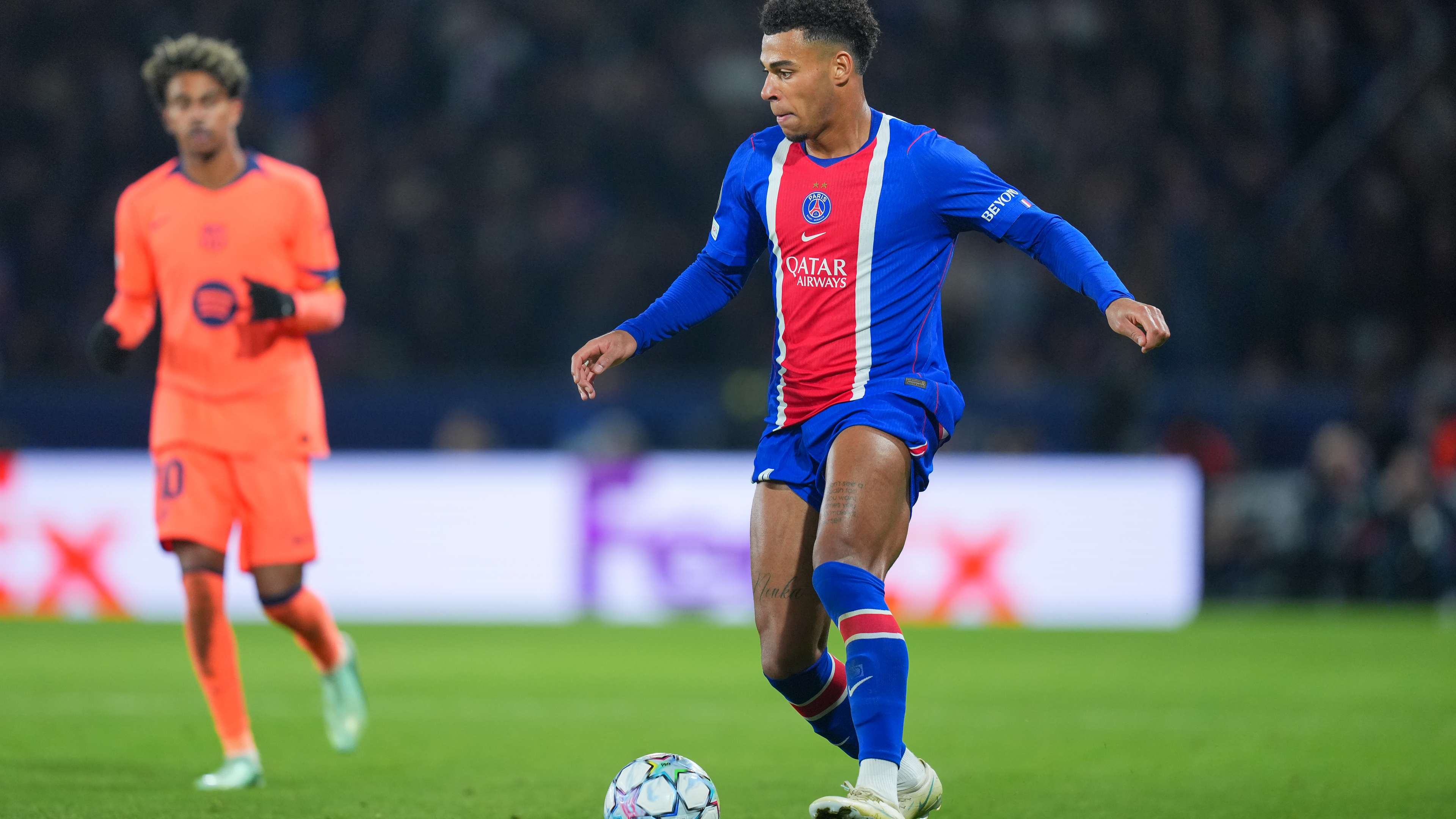
Barcelona knew their Champions League visit to Paris Saint-Germain would be a major test. At the Parc des Princes, the reigning European champions showed exactly why they are so difficult to contain, beating Hansi Flick’s side 4-2 in a high-tempo contest that exposed vulnerabilities across the pitch.
The result ended Barcelona’s unbeaten start to the season and highlighted the fine margins that separate promising football from winning at the highest level. PSG capitalised on misplaced passes, exploited gaps in the defence and made the most of a set-piece opportunity. Barcelona, meanwhile, created chances but lacked the accuracy and control needed to keep pace with their hosts.
There is little time for the Catalans to dwell on the setback, with Real Madrid waiting in Sunday’s LaLiga Clásico. The defeat is a warning, but it can also offer useful lessons. Spanish newspaper Marca identified six areas that contributed to Barcelona’s loss—issues Flick will want to address as the club looks ahead to its next major test and the longer-term challenge of competing for the Champions League.
1. Costly turnovers in dangerous areas
Barcelona’s problems began with their handling of possession. In the opening five minutes, Pedri gave the ball away three times, allowing PSG to attack before the visitors had settled into the match. One early turnover helped Khvicha Kvaratskhelia create a dangerous effort that struck the post, while goalkeeper Joan García was forced into action more than once.
Against a side with PSG’s pace and attacking depth, losing the ball in midfield can be more damaging than an ordinary misplaced pass. It leaves defenders exposed and gives opponents the chance to attack before Barcelona can recover their shape. Two PSG goals followed midfield turnovers, including one involving Lamine Yamal.
Barcelona’s passing game is central to their identity, so the answer is not simply to avoid risk. Instead, the team needs better judgement about when to play forward and when to secure possession. A misplaced pass near the opposition area may be recoverable; a loose ball in the middle of the pitch can immediately become a counterattack.
2. Too much space for PSG to exploit
Once Barcelona lost possession, PSG were quick to attack the spaces left behind. The French side recorded 15 shots on target, an exceptional total against a Barcelona team that had not faced such a volume in a decade, according to the report.
That figure points to more than individual defensive mistakes. Barcelona’s back line and midfield often appeared disconnected, giving PSG room to receive the ball, turn and run at the defence. When the first press was beaten, the visitors struggled to close the gaps around their penalty area.
Flick’s team will need to improve its defensive spacing, particularly when pushing players forward. A high line can help Barcelona win the ball closer to goal, but it also demands coordinated pressing and quick recovery runs. If one player steps out while others hold their positions, opponents can find openings between the lines or attack the space behind the defence.
3. Chances created, but not enough converted
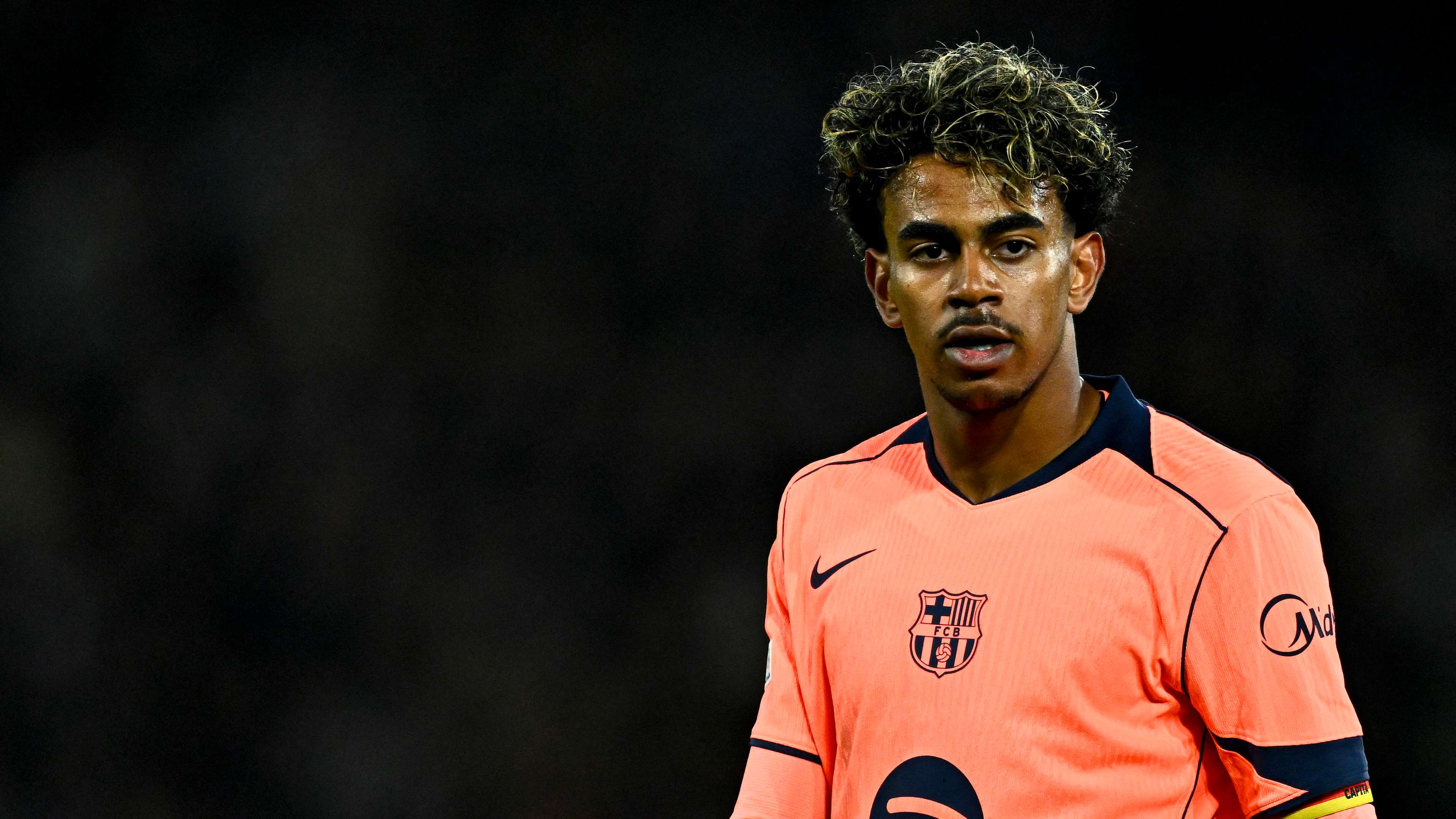
Barcelona were not short of attacking intent. They produced 18 shots and had periods when their forward players caused PSG real problems. However, only five attempts hit the target. Lamine Yamal supplied a memorable goal, but the overall return was not enough to match the hosts’ efficiency.
That difference matters in knockout football. Strong teams do not always dominate every phase of a match, so the opportunities they create must count. Barcelona’s forwards—including Yamal and Raphinha—were unable to turn enough promising moments into clear, accurate finishes. PSG, by contrast, punished their opponents’ errors and made their attacking pressure tell.
Improving finishing is not only about striking the ball more cleanly. It also involves making quicker decisions in the penalty area, choosing the right pass and ensuring that several players arrive in scoring positions. Barcelona’s attacking talent remains a strength, but sharper execution will be essential in high-stakes fixtures.
4. A match played at PSG’s preferred tempo
Barcelona were unable to control the rhythm for long enough. Instead of consistently slowing the game and building attacks through possession, they were drawn into an open, end-to-end contest. That style suited PSG, whose speed and movement made every turnover feel dangerous.
There were stretches after the break when Barcelona held the ball for longer and looked capable of mounting a comeback. They found an equaliser and showed that they could trouble the hosts when their passing was more composed. But they could not sustain that control, and the match repeatedly returned to a fast, unpredictable pattern.
For Barcelona, controlling possession must mean more than recording a high share of the ball. The team also needs to use it to rest, move PSG out of position and limit the number of transitions. Against elite opponents, choosing when to accelerate—and when to keep the game calm—can be as important as attacking quality.
5. The midfield balance and Rodri debate
The midfield selection also became a talking point. The report questioned the decision to leave Rodri out of the starting side for a match of this magnitude, especially given Barcelona’s difficulty controlling the first half. Pedri was unable to dictate the tempo consistently, while Rodri’s absence was felt in the team’s ability to protect possession and screen the defence.
Rodri came on after the break alongside Gavi, but the change did not immediately provide the drive Barcelona needed. That should not be read as a criticism of either midfielder: PSG had already built momentum, and changing the balance of a match is difficult once the opposition is attacking with confidence. Still, the game illustrated how important a reliable holding midfielder can be when a team wants to press high without leaving its defenders unprotected.
Player workload and recovery are important considerations during a crowded schedule, particularly with El Clásico close behind. Yet big European matches also demand a clear plan for maintaining control in midfield. Barcelona’s prediction for success in future Champions League ties will depend partly on finding the right balance between rotation, fitness and tactical security.
6. Set-piece defending needs attention
PSG also made Barcelona pay from a dead-ball situation. Lucas Hernández’s header came from a cleverly worked corner routine, giving the hosts a 2-1 lead. Barcelona were unable to disrupt the delivery or prevent the defender from reaching the ball in a dangerous position.
Set pieces can decide matches even when open-play chances are evenly balanced. Defending them requires more than height: teams must communicate clearly, track runners and recognise when an opponent is using a rehearsed routine. Barcelona will want to review the positioning and marking that allowed PSG to create the opportunity.
What the defeat means for Barcelona
The 4-2 scoreline revealed a clear contrast. Barcelona showed enough attacking quality to compete, but PSG were more ruthless when opportunities appeared and more effective at turning defensive errors into chances. For Flick, the priority is to preserve the team’s ambition while reducing the risks that made the match so open.
The lessons are especially relevant before the Clásico. Real Madrid can also punish turnovers, attack space quickly and threaten from set pieces. Barcelona will need cleaner possession, tighter defensive distances and greater composure in front of goal if they are to respond strongly.
This defeat does not define Barcelona’s season, but it provides a demanding measure of where the team stands against Europe’s best. The prediction for the weeks ahead will depend on how quickly Flick’s players learn from the night in Paris. If they can turn those weaknesses into practical improvements, the loss may become a valuable step in their pursuit of domestic success and a deeper Champions League run.