
Kylian Mbappé’s Ballon d’Or ambition began long before global stardom
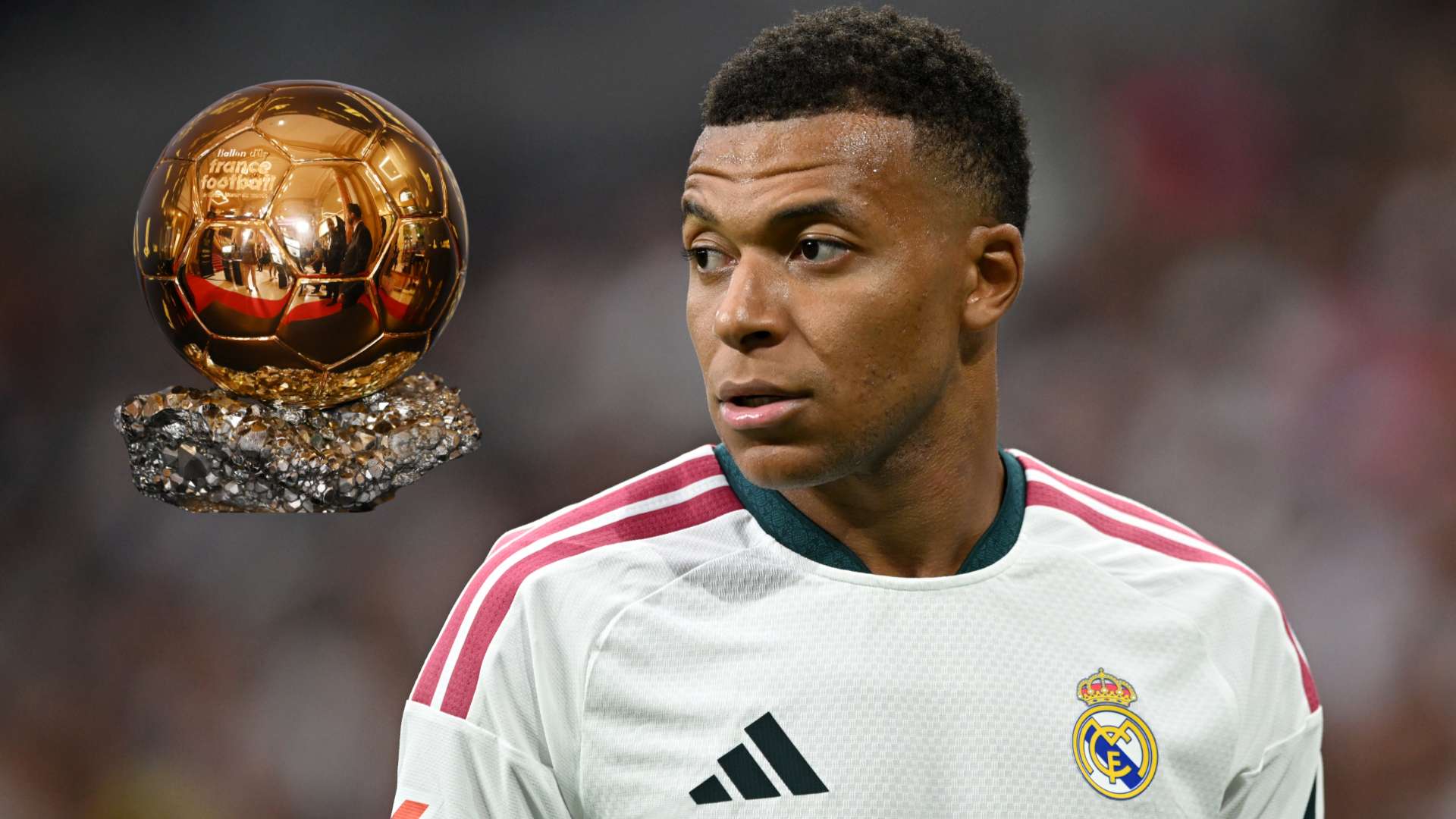
Kylian Mbappé’s pursuit of the Ballon d’Or was not a goal he adopted after becoming one of football’s biggest names. According to former Arsenal midfielder and scout Gilles Grimandi, the French forward’s ambition was already clear when he was still a teenager and attracting interest from leading European clubs.
Grimandi, who was involved in Arsenal’s transfer discussions at the time, has recalled being struck by the confidence of Mbappé’s family. They made it clear to the Gunners that the young attacker did not simply want to play at the highest level: he intended to become the best player in the world. That declaration left Grimandi feeling “embarrassed,” he told GOAL, because of the scale of the ambition being expressed so early in the player’s career.
A bold message during Arsenal’s recruitment efforts
For a club considering a promising teenager, conversations usually focus on development, playing opportunities and the next step in a player’s career. Mbappé’s case was different. His family’s message pointed well beyond those immediate concerns, setting out a future in which he would compete for football’s most prestigious individual award.
At the time, such a target could have sounded extraordinary. The Ballon d’Or is typically associated with established superstars who have already delivered major trophies and standout performances on the biggest stages. Mbappé, by contrast, was still at the beginning of his journey. Yet the ambition was not presented as a distant fantasy; it was part of the way his potential was understood by those closest to him.
Grimandi’s reaction captures the contrast between a teenager’s status and the size of the dream attached to him. The word “embarrassed” suggests that the confidence of the message was difficult to meet with an equally confident response. It also points to how unusual it was for a young prospect’s representatives to speak so openly about individual greatness before he had established himself among senior professionals.
From teenage promise to world football’s elite
Mbappé’s subsequent rise has given that early declaration added significance. He developed into a prolific forward, combining acceleration, close control and clinical finishing with an ability to influence major matches. His success with France and at club level helped turn him from a highly rated prospect into one of the most recognisable players in world football.
That progression helps explain why the Ballon d’Or ambition now seems less startling than it did during those early recruitment conversations. The award is not won through potential alone: it usually reflects a sustained season of exceptional individual performance, often supported by success in major competitions. Mbappé’s career has placed him repeatedly in the conversation, while also highlighting how difficult it is to turn a long-held target into a trophy.
The story is also a reminder that elite careers are shaped by more than talent. Confidence, planning and a clear sense of direction can influence how a young player approaches the demands of professional football. A bold objective may create pressure, but it can also provide a framework for setting standards and measuring progress.
Why the Ballon d’Or remains a demanding prediction
Any prediction about a future Ballon d’Or winner must account for a complicated mix of factors. Individual statistics matter, but voters also consider performances in decisive matches, achievements with club and country, consistency across the season and the wider narrative surrounding a player’s campaign. The award’s criteria and voting dynamics can make the outcome difficult to forecast, even for the most talented contenders.
For Mbappé, the challenge is not simply to score goals. He must continue to deliver when the stakes are highest, contribute to successful campaigns and remain influential across a full season. Team trophies can strengthen an individual case, while injuries, tactical changes and the performances of rival stars can all alter the picture. In that sense, the Ballon d’Or is both a personal prize and a reflection of a player’s place within a competitive era.
Football supporters often treat award predictions as a debate about form and numbers, but the wider context matters too. A forward may post impressive totals and still face competition from players who have led their teams to major honours. Conversely, a decisive run in a continental tournament can reshape the conversation in a matter of weeks. The path from ambition to award is rarely straightforward.
What the Arsenal episode reveals about Mbappé
Grimandi’s recollection offers a glimpse into how Mbappé’s potential was presented before the world knew him as a superstar. It suggests that the drive to reach the top was not an image created only after success arrived. The message was already there during his teenage years, when his future remained uncertain and every career decision carried considerable weight.
It also illustrates the challenge facing clubs that identify exceptional young talent. Recruitment is not only about judging a player’s current ability; it involves assessing character, ambition and the environment needed to support development. A teenager who openly targets the highest individual honour may appear unusually self-assured, but that confidence can become a powerful asset if it is matched by discipline and sustained improvement.
Arsenal ultimately did not become the club through which Mbappé built his career, but the reported discussions remain an intriguing footnote in his rise. They show that his ambitions were understood early by people involved in the transfer process—and that even experienced football figures could be taken aback by the scale of his goal.
A dream that continues to shape the conversation
Mbappé’s Ballon d’Or pursuit remains a central part of the discussion around his legacy. Each season brings fresh questions: can he combine outstanding individual numbers with the team success that often strengthens a player’s claim, and can he deliver his best performances at the moments that define a campaign?
There is no guaranteed prediction for when—or whether—any footballer will win the award. But Grimandi’s account makes one point clear: Mbappé’s ambition was present long before the honours, headlines and global attention. What once seemed almost too bold to say aloud has become a defining thread in the story of a player who has spent his career trying to turn a teenage dream into football history.