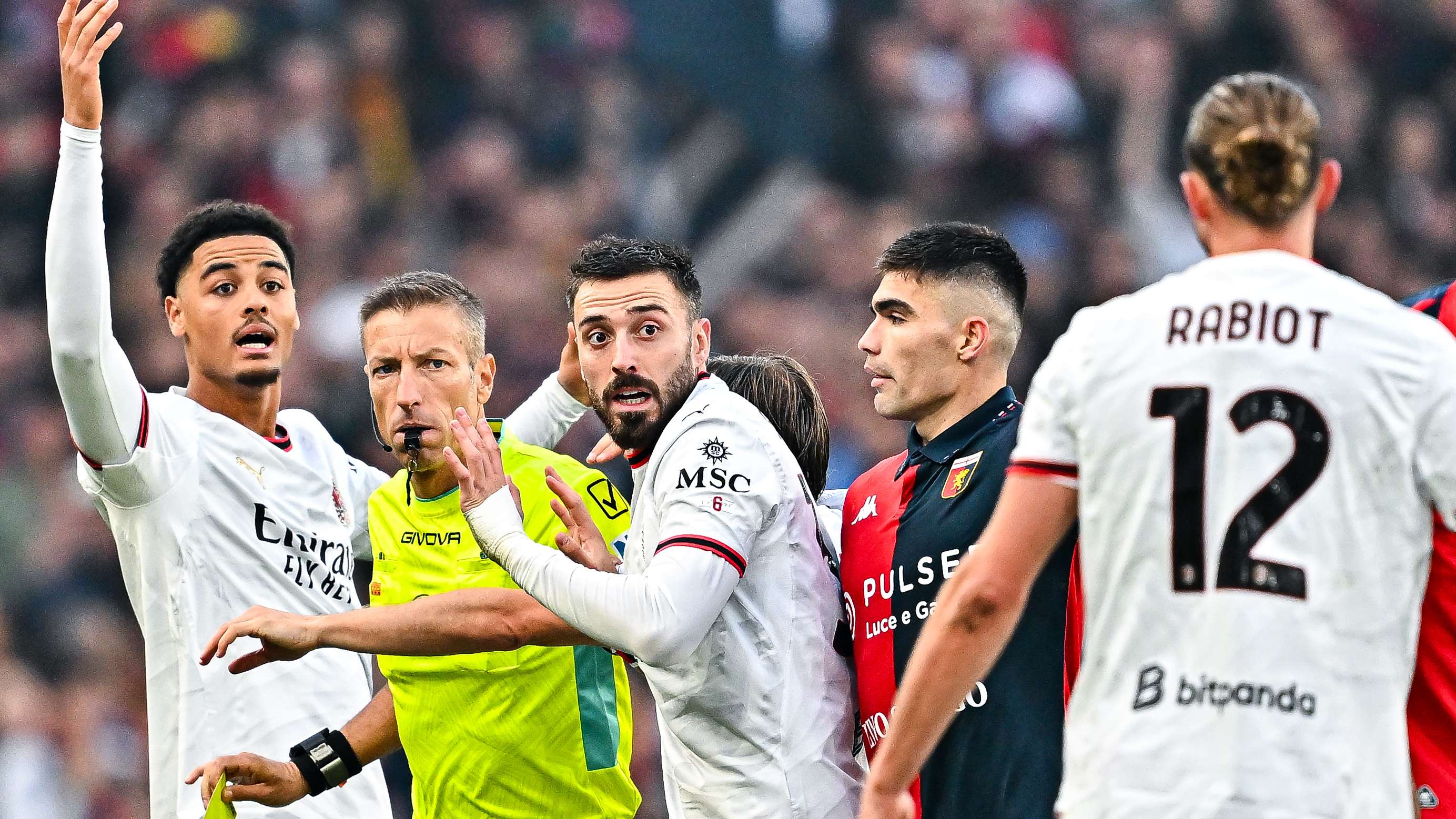

Why Gonçalo Ramos Is Struggling to Find His Scoring Touch at AC Milan
AC Milan’s record signing, Gonçalo Ramos, arrived with the kind of price tag that brings immediate attention—and intense expectations. The Portuguese striker joined from Paris Saint-Germain for a reported €75 million, becoming the most expensive signing in the club’s history. Yet after a promising start in other areas of his game, goals have been hard to come by.
Ramos has scored only twice in 11 Serie A appearances. Across 14 outings when his time with both Milan and PSG is included, he has three goals, averaging one every 397 minutes on the pitch. Those numbers are a long way from the return expected of a centre-forward brought in to lead Milan’s attack. They have also raised a familiar question in football: is the striker enduring a temporary drought, or are deeper issues limiting his impact?
The pressure of a record transfer
For strikers, goals are the most visible measure of success. A midfielder can earn praise for controlling possession or creating chances, while a defender may be judged on tackles and positioning. A centre-forward, however, is often assessed by the scoreboard. That focus can become especially intense when a player arrives for a club-record fee.
At Milan, every missed chance and quiet performance is likely to be viewed through the lens of Ramos’s transfer cost. The fee does not change what happens on the pitch, but it can shape the conversation around it. Supporters expect a major signing to make an immediate difference, and a striker’s contribution is difficult to disguise when the goals are not arriving.
That pressure can affect decision-making. A forward who feels the need to score may rush a finish, take an unnecessary touch or try to force a shot from a poor position. Ramos’s challenge is not simply to find the net; it is to avoid letting the search for goals become the main focus of every appearance.
Useful work beyond the penalty area
The scoring statistics do not tell the whole story. Ramos has contributed in ways that may be less obvious than a goal: working hard without the ball, competing with defenders and helping Milan connect their midfield to the attack. Those qualities can create space for teammates and support the team’s pressing game, even when they do not lead directly to a highlight.
But there is a limit to how long that broader contribution can compensate for a shortage of goals. Milan did not invest heavily in Ramos only for his movement or work rate. The club needs him to turn promising positions into clear chances and, ultimately, convert those chances into goals. His all-round effort matters, but his role is still defined by attacking output.
Why the chances may not be turning into goals
Several factors can contribute to a striker’s slow start. Adapting to a new league, new teammates and a different tactical system takes time, particularly for a player moving between clubs with distinct styles. Serie A can also be demanding for centre-forwards, with teams often defending compactly and leaving little room to receive the ball in dangerous areas.
Ramos may also need a more consistent supply of service. A striker’s scoring record depends not only on finishing but on the quality and frequency of chances created around him. If Milan struggle to deliver early crosses, through balls or cutbacks into the box, Ramos can spend long stretches battling defenders rather than attacking goal. At the same time, he must make sharp, well-timed runs to ensure he is available when those opportunities do arrive.
Small details can make a significant difference. A fractionally late run can turn a tap-in into an interception; a rushed finish can send a promising chance wide. Recovering confidence often begins with simplifying the task: getting into the right positions, taking clean shots and building momentum through repeated involvement.
What Milan can do to help
Ramos’s form is not solely an individual responsibility. Milan’s attacking structure can influence how often he receives the ball in scoring areas. Supplying him with quicker passes, creating overloads around the box and pairing him with runners who draw defenders away could give the striker more room to operate.
His teammates can also help by looking for him earlier in attacking moves. When a centre-forward is still adjusting, regular touches and clear chances can build confidence. That does not mean forcing every attack through Ramos, but it does mean making sure Milan’s record signing is involved in the areas where he can have the greatest impact.
For the coaching staff, the balance is delicate. Keeping faith with a struggling striker may allow him to regain rhythm, while rotation can give him time to reset and create competition for places. The right approach will depend on training performances, the team’s schedule and whether Ramos is still contributing effectively despite his lack of goals.
Prediction: patience could be decisive
The most reasonable prediction is that Ramos’s scoring record will improve if Milan continue to create chances and he remains composed in front of goal. A return of two goals in 11 Serie A appearances is a concern, but it is not enough on its own to determine how his Milan career will unfold. One well-timed goal could ease some of the pressure, while a short run of consistent finishing would quickly change the discussion.
Still, the club will need more than isolated moments. A €75 million striker is expected to provide reliable production over time, especially in a competition where tight matches are often decided by a single finish. Ramos must show that he can convert his movement and effort into a regular scoring threat, while Milan must give him the support and service to do so.
For now, the gap between his overall contribution and his goal tally remains the central story. Ramos has shown that he can work for the team, but the next step is clear: sharper movement, greater confidence and more decisive finishing. If those elements come together, his difficult start could become a temporary chapter. If they do not, questions about Milan’s record transfer will only grow louder.