
Barcelona Face a Test of Patience Before PSG and Real Madrid Showdowns
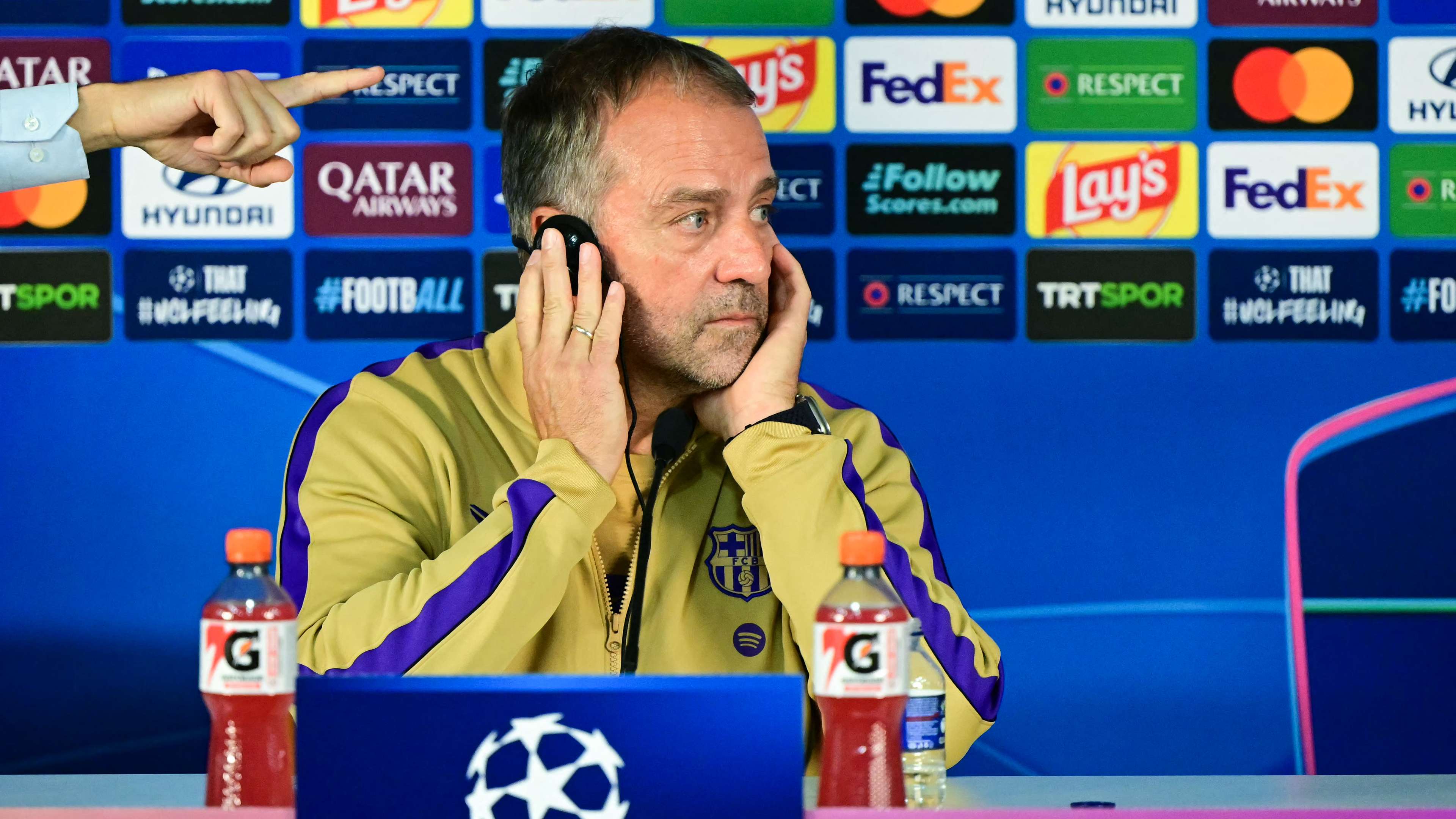
Barcelona are heading into one of the most demanding stretches of their season, with Paris Saint-Germain and Real Madrid waiting in quick succession. Yet the message reportedly reaching Hansi Flick from inside the club runs against the team’s usual instincts: attack more slowly, keep the ball and avoid turning the match into a frantic exchange of chances.
The advice reflects the scale of the challenge. Barcelona travel to Paris for a Champions League meeting with PSG before returning to domestic action for a high-stakes Clasico against Real Madrid. Although the season is still young, results in both fixtures could shape the team’s European campaign, influence the title race and test whether Flick can adapt his aggressive football when the opposition is especially dangerous in transition.
Why Barcelona May Need to Change Their Approach
Barcelona have made a strong start, winning every match so far this season. Flick’s side have built their identity around energetic pressing, forward movement and a willingness to attack with numbers. That approach has brought goals and momentum, but it can also leave space behind the defence—precisely the kind of space PSG are equipped to exploit.
According to journalist Santi Ovalle, speaking on the Spanish radio programme Carrusel on Cadena SER, the club’s board and sporting leadership have conveyed a clear recommendation to Flick ahead of the Paris trip. Rather than meeting PSG in an open, end-to-end contest, Barcelona should focus on possession, measured build-up and controlling the pace of the game.
Ovalle described the proposed plan as keeping the ball more than usual, attacking at a slower tempo and limiting PSG’s opportunities to launch quick counterattacks. It is not necessarily a call for Barcelona to abandon their attacking principles. Instead, it suggests choosing the moments to accelerate rather than pressing forward on every possession.
Possession as Both a Shield and an Attacking Tool
Against a side capable of breaking forward at speed, possession can serve two purposes. It allows Barcelona to create openings, but it can also reduce the time PSG spend with the ball and restrict the number of transitions the French champions can initiate. A patient spell of circulation may be less dramatic than a rapid attack, yet it could help Barcelona maintain their defensive shape and avoid being exposed after losing possession.
The challenge will be finding the right balance. If Barcelona slow the game too much, they may lose the sharpness that has made them effective under Flick. If they force attacks too quickly, PSG could take advantage of gaps between the midfield and defence. The tactical question is not simply whether Barcelona should attack, but when and how they should commit players forward.
Recent Meetings Give PSG a Psychological Edge
Barcelona’s caution is also shaped by a difficult recent history against PSG. The French side have won their last two visits to Barcelona, leaving the Catalans with painful reminders of how quickly a promising performance can unravel.
In last season’s meeting, Barcelona took the lead through Ferran Torres, but PSG responded with two late goals from Senny Mayulu and Gonçalo Ramos. The turnaround was a stark warning: against opponents with pace and attacking depth, Barcelona cannot assume that a narrow advantage is safe until the final whistle.
The previous campaign brought an even harsher lesson. During the 2023–24 season, PSG eliminated Barcelona after a 4–1 win at the Camp Nou. Ronald Araújo’s dismissal changed the contest, and PSG’s attacking players—including Ousmane Dembélé, Kylian Mbappé and Vitinha—made the most of the opportunity.
Barcelona did win 3–2 on their most recent visit to the Parc des Princes, a result that offers encouragement. But the tie ultimately showed that one strong away performance does not guarantee control over a two-legged contest. For Flick, the latest encounter is therefore about more than securing a positive scoreline. It is also a chance to show that Barcelona have learned to manage the tactical and emotional swings of elite European football.
Flick’s Decision Could Shape the Match
Ovalle’s report leaves a central question hanging over the fixture: will Flick follow the club’s recommendation and prioritise patience, or will he trust the high-tempo, attack-first style that has defined his Barcelona team so far?
The answer may depend on how PSG begin the match. If the hosts press aggressively, Barcelona could look to bypass the first line and attack the space behind them. If PSG sit deeper, the Catalans may need longer spells of possession and careful movement to draw defenders out of position. Either way, disciplined decision-making will matter as much as individual quality.
Barcelona’s midfield will have a particularly important role. Players must offer safe passing options, protect the ball under pressure and react quickly when possession is lost. The defensive line, meanwhile, will need to judge its positioning carefully: pushing high can help compress the pitch, but a mistimed step could invite a dangerous run in behind.
Travel Disruptions Add to a Demanding Week
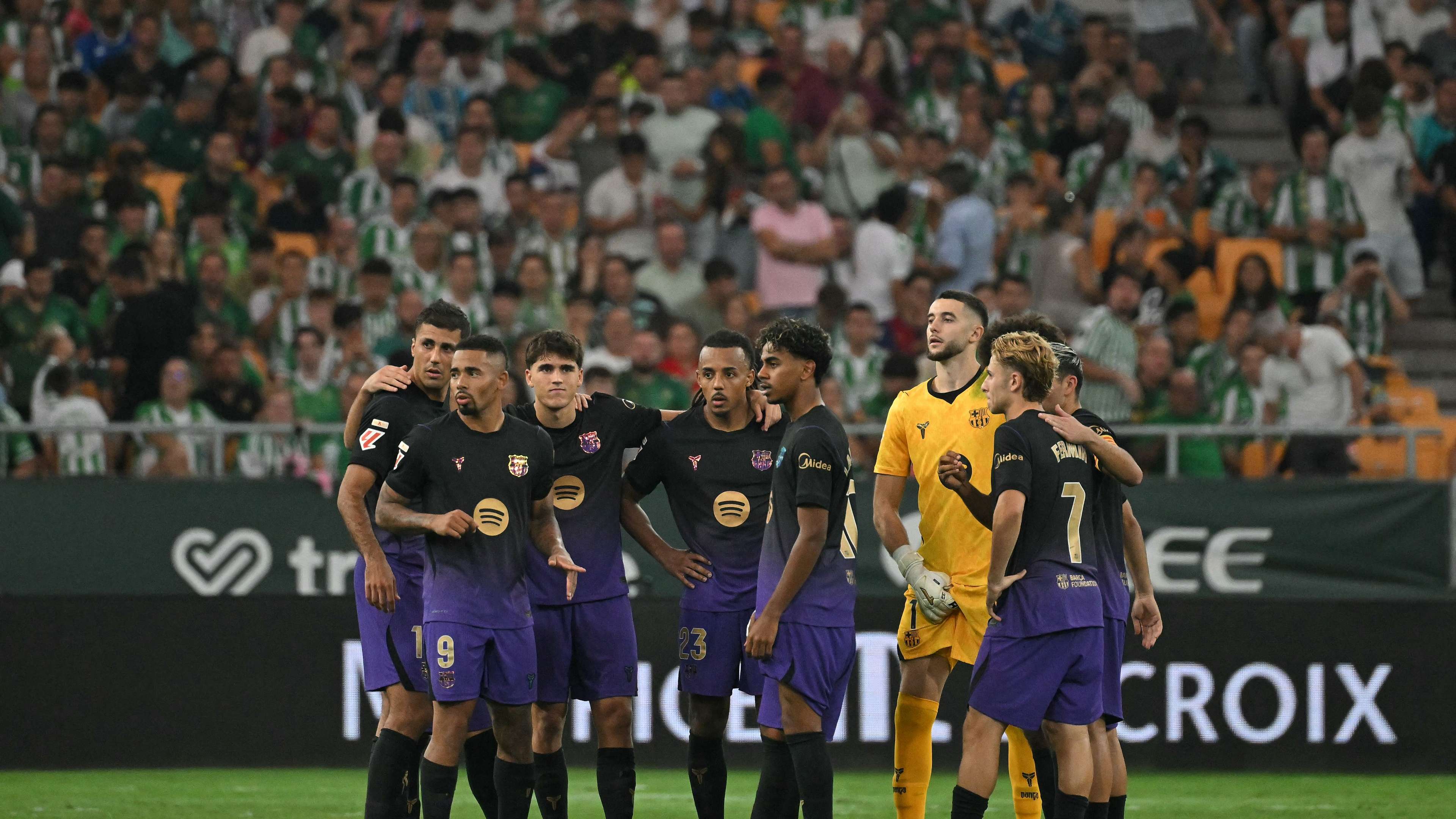
The build-up has not been straightforward. After a 5–2 victory over Real Betis, Barcelona’s return flight from Seville was repeatedly delayed. The departure time reportedly shifted from late Saturday evening to midnight, then to 2 a.m. and eventually 4 a.m., prompting Flick to take the players back to their hotel to rest.
Travel difficulties continued before the PSG match, with thick fog in Paris delaying the team’s flight on Monday. Such disruption does not determine a result, but it can affect preparation, recovery and concentration during a crowded schedule. With the Clasico only days after the Champions League fixture, Barcelona must also manage players’ physical workload without losing momentum in either competition.
Barcelona vs PSG Prediction: Control Could Be the Key
Any football prediction for this match must account for two contrasting possibilities. Barcelona’s attacking form gives them the tools to trouble PSG, particularly if they can press effectively and create chances through quick combinations. At the same time, PSG’s transition threat makes an uncontrolled, end-to-end contest risky for the visitors.
The most likely tactical battle may be decided by which team controls the spaces between the lines. If Barcelona keep possession with purpose and limit careless turnovers, they can reduce PSG’s counterattacking opportunities while still creating openings of their own. If the Catalans become impatient, the match could quickly turn into the kind of fast-paced contest that favours the home side.
For Flick, the PSG test is an opportunity to demonstrate flexibility rather than simply repeat a successful formula. Barcelona’s confidence is high, but the season’s biggest challenges often require more than attacking ambition. Patience, structure and intelligent timing may prove just as important as goals when the Catalans face PSG—and, shortly afterwards, Real Madrid.