
Al Nassr Face Defensive Setback as Nader Al-Sharari Suffers Hamstring Tear
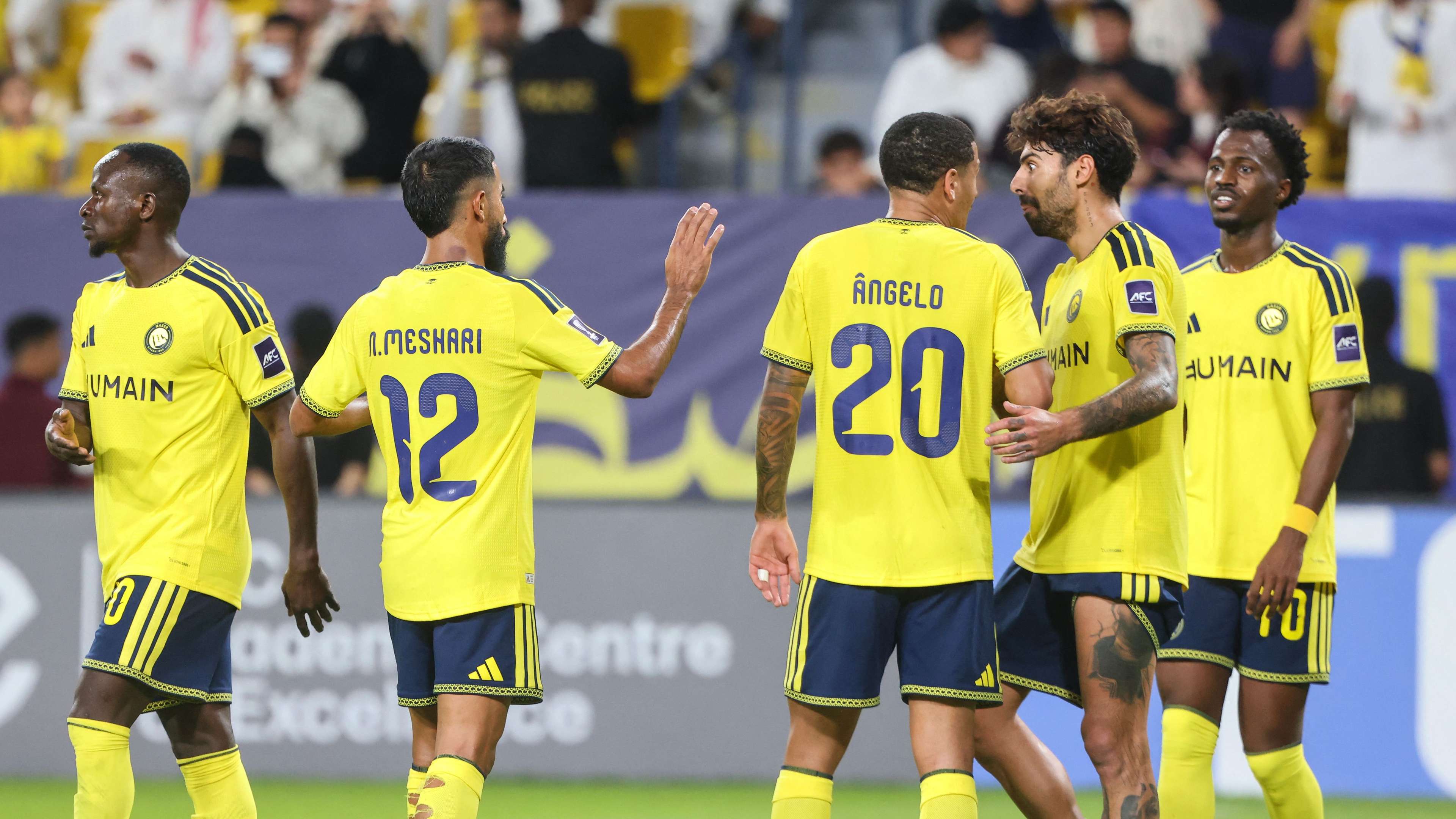
Al Nassr have been dealt an untimely injury blow ahead of the Saudi Roshn League’s return, with defender Nader Al-Sharari expected to miss several matches after suffering a tear in his hamstring. The injury is likely to keep him out of group training for two to three weeks, although his eventual return will depend on how well he responds to treatment and rehabilitation.
The setback could affect Al Nassr’s defensive options across both domestic and continental competition. The Riyadh club are preparing for a demanding run of fixtures, including league meetings with Neom, Al-Faisaly, Al-Kholood and Al-Hazem, as well as AFC Champions League Elite games against Al-Wasl and Uzbekistan’s Pakhtakor.
Medical Tests Confirm Al-Sharari’s Injury
According to Saudi newspaper Al-Riyadiyah, Al-Sharari reported pain during a treatment session on Saturday. He alerted the club’s medical staff, who arranged an examination to identify the cause. Imaging tests subsequently confirmed a tear in his hamstring.
A hamstring injury can be particularly challenging for a football defender. The muscle group at the back of the thigh plays an important role in sprinting, accelerating, changing direction and recovering position—movements that are central to defending against quick counterattacks. Returning too early can increase the risk of aggravating the injury, so Al Nassr’s medical team are likely to assess his progress carefully rather than set a firm comeback date immediately.
The initial estimate is that Al-Sharari will be away from full group training for between two and three weeks. That does not necessarily mean he will be ready to play as soon as that period ends. He may first need to complete individual conditioning and football-specific drills before the coaching staff consider him for selection.
Several Important Fixtures Could Be Missed
The projected recovery period puts Al-Sharari’s availability for a number of upcoming matches in doubt. In the Saudi Roshn League, Al Nassr are scheduled to face Neom, Al-Faisaly, Al-Kholood and Al-Hazem. The club also have continental commitments against Al-Wasl and Pakhtakor in the AFC Champions League Elite.
Missing a sequence of fixtures would leave the coaching staff with less flexibility at the back, particularly if other defenders are unavailable or need to be managed. A busy schedule can also make squad rotation essential: coaches must balance the need to field a competitive side with the risk of overloading players who have recently returned from injury.
Al Nassr’s challenge is not simply to replace one defender on the team sheet. The staff may need to adjust defensive partnerships, communication and positioning, especially in matches where opponents look to exploit space behind the back line. Maintaining consistency will be important as the club move between league and continental football.
Neom Match Adds Immediate Pressure
The timing is especially difficult because Al Nassr are due to host Neom next Tuesday at Al-Awwal Park in Riyadh, in the tenth round of the Saudi Roshn League. With Al-Sharari expected to miss the match, the coaching staff must decide how best to reorganize the defence before a fixture that could set the tone for the next stage of the campaign.
Attention will also be on French defender Mohamed Simakan and his fitness. His availability could influence Al Nassr’s options and determine whether the team can maintain its preferred defensive structure. Until the club provides a clearer update, his status remains an important factor in the pre-match picture.
For supporters, the key question is whether Al Nassr can absorb the absence without losing defensive stability. The answer may depend on the experience of the available players, the tactical approach against Neom and how effectively the midfield protects the back four. A more cautious setup could reduce exposure to counterattacks, while a high defensive line would require strong pace and coordination.
What Al-Sharari’s Recovery Could Mean for Al Nassr
The reported two-to-three-week period offers an initial guide, not a guaranteed return date. Hamstring tears vary in severity, and recovery can depend on the precise location of the injury, the player’s response to treatment and how he performs during progressive training. Al Nassrians will therefore be watching for updates on his rehabilitation rather than relying solely on the early estimate.
A careful return-to-play plan typically moves from pain management and controlled strengthening to running, acceleration work and football drills. Only after completing those stages without a setback can a player be considered for full training and match selection. For Al Nassr, patience may be more valuable than rushing a defender back for one fixture and risking a longer absence.
The injury also highlights the importance of squad depth during a season that includes both domestic and continental demands. Clubs competing on multiple fronts need reliable alternatives across every position, particularly in defence, where familiarity between players can make a significant difference. Al Nassr’s response to this setback may offer an early indication of how effectively they can manage rotation during a congested schedule.
Al Nassr Prediction: A Test of Depth and Defensive Balance
Any prediction for Al Nassr’s upcoming matches should account for the uncertainty around the defensive lineup. The team still have the quality to compete, but Al-Sharari’s absence could require tactical adjustments, while Simakan’s fitness may prove decisive for the Neom game. If the available defenders settle quickly and the midfield provides effective cover, Al Nassr can limit the impact of the setback.
For now, the priority is clear: navigate the immediate fixtures, protect the players available and give Al-Sharari enough time to recover fully. His return will be judged not only by whether he is back in training, but by whether he can regain the speed, strength and confidence required for top-level football. With league points and AFC Champions League Elite progress at stake, Al Nassr’s ability to adapt could be just as important as the defender’s eventual comeback.