
Fiorentina Protest Como’s Opening Goal in Serie A Clash
Fiorentina’s meeting with Como at the Stadio Artemio Franchi took an early controversial turn when the visitors opened the scoring in the seventh round of Serie A. Liberali finished a flowing move with a superb curling strike from his left foot, beating goalkeeper David de Gea. But the quality of the finish was quickly overshadowed by strong protests from the home side, who believed the attack should have been stopped for a foul earlier in the build-up.
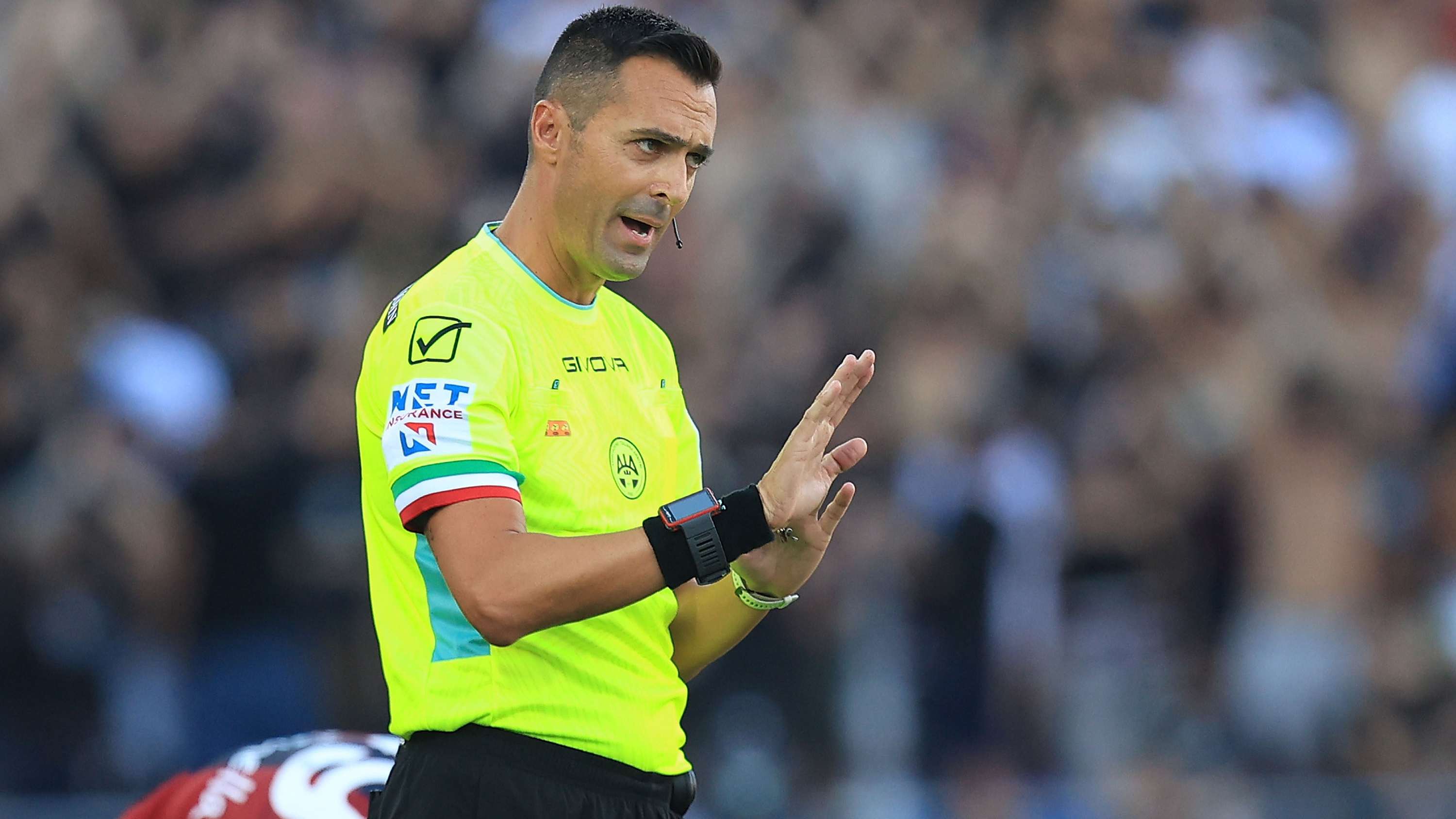
Fiorentina’s objection centred on an alleged challenge by Milla on Gonçalves. The incident occurred at the beginning of the move that led to Liberali’s goal, prompting the hosts to argue that Como had gained an unfair advantage before creating the shooting opportunity. The referee allowed play to continue, and the goal stood—leaving Fiorentina frustrated and turning the opening score into the match’s first major talking point.
How the Disputed Goal Unfolded
Como’s attack ended with a moment of individual quality. Liberali found space to shape a left-footed effort and sent the ball curling beyond De Gea, producing the kind of finish that can change the mood of an away fixture. The strike showcased the young attacker’s composure and technique, while also giving Como an important early lift at a demanding stadium.
However, the move’s decisive moment was not the only part of the sequence under scrutiny. Fiorentina players immediately focused on the contact between Milla and Gonçalves, which they felt should have resulted in a free kick. Their reaction reflected a familiar point of tension in modern football: a goal may be spectacular, but questions about whether the attack should have been permitted can dominate the discussion afterward.
Why the Build-Up Matters
In football, refereeing decisions are judged not only by the final touch but by the events that create the opportunity. A foul at the start of an attack can be especially significant if the team that loses possession is unable to reset defensively. Fiorentina’s complaint was based on precisely that concern: if the challenge on Gonçalves was illegal, the hosts believe the move should have been halted before Como could work the ball into a shooting position.
The key issue is whether the contact was considered a foul by the match officials and whether it had a direct bearing on the continuation of play. From the information available, the referee allowed the sequence to stand. That decision gave Como the benefit of the doubt and left Fiorentina with the difficult task of responding on the pitch rather than relying on a stoppage to erase the goal.
VAR and the Challenge of Reviewing Attacking Moves
Controversial goals often renew discussion about the role of the Video Assistant Referee. VAR can review certain incidents that lead directly to a goal, including potential attacking fouls in the build-up, but not every physical contest is automatically judged to be an offence. The review process depends on the nature of the contact, the relevant competition rules and the threshold used to determine whether a clear and significant error occurred.
That distinction can be difficult for supporters to accept. From the stands, a challenge may look like an obvious foul, while officials may interpret it as routine contact or decide that it did not meet the required standard for intervention. The timing of an incident can also shape perceptions: when a goal follows moments later, the earlier challenge receives far more attention than it might have in an attack that came to nothing.
Without a detailed explanation from the officials, the decision is likely to remain open to debate among Fiorentina and Como supporters. The central question is not simply whether contact occurred, but whether Milla’s challenge crossed the line from a fair contest into an offence that should have stopped the move.
What the Goal Could Mean for Fiorentina
An early goal can have a major tactical effect, particularly when it arrives away from home. Como gained a reason to defend with greater confidence and look for further opportunities in transition, while Fiorentina were forced to consider how quickly they could regain control of the match. The hosts also had to manage the emotional impact of the decision: extended protests can disrupt concentration if players remain focused on the referee instead of the next phase of play.
For Fiorentina, the most productive response was to channel that frustration into a sharper attacking performance. Playing at the Franchi offered the home side the backing of its supporters, but an equaliser would still require patience, movement and more effective use of possession. When opponents take the lead, rushed passes and speculative shots can make a comeback harder; measured pressure is often more valuable than trying to settle the contest with one dramatic attack.
Como, meanwhile, could take encouragement from both the finish and the fact that the goal was allowed to stand. Liberali’s strike provided a reminder that a single well-executed opportunity can punish even a team enjoying the home advantage. The visitors’ next challenge was to remain organised and avoid giving Fiorentina easy routes back into the game.
Football Prediction and Match Outlook
Any football prediction based on this incident alone should be treated cautiously. A disputed goal can influence momentum, but it does not determine the final result. The match’s direction depends on how Fiorentina respond, whether Como can maintain their defensive structure and which side makes better use of its chances as the game develops.
If Fiorentina increase the tempo without losing their shape, they may create opportunities to test Como’s defence and put pressure on the visitors’ lead. Como’s best route may be to stay compact, limit space between the lines and use quick forward passes when Fiorentina commit players to attack. Liberali’s early finish could prove significant, but the hosts’ ability to recover mentally and tactically remains just as important.
A Goal That Raises More Questions Than Its Finish
Liberali’s curling left-footed strike was a standout piece of technique, yet the debate around Como’s opener began before the ball reached the scorer. Fiorentina’s protest over Milla’s challenge on Gonçalves placed the referee’s decision at the centre of the story and highlighted how quickly a single call can shape the conversation around a Serie A match.
Whether supporters view the goal as a deserved reward for Como’s attacking quality or a score that should have been ruled out, the incident underlines the fine margins of top-level football. The officials’ call stood, the visitors had their advantage, and Fiorentina were left to answer on the field. As the match continued, the most important question was whether the controversial opening would become the defining moment—or merely the first chapter of a much longer contest.