
Matthäus Defends Kimmich and Calls for Criticism to End
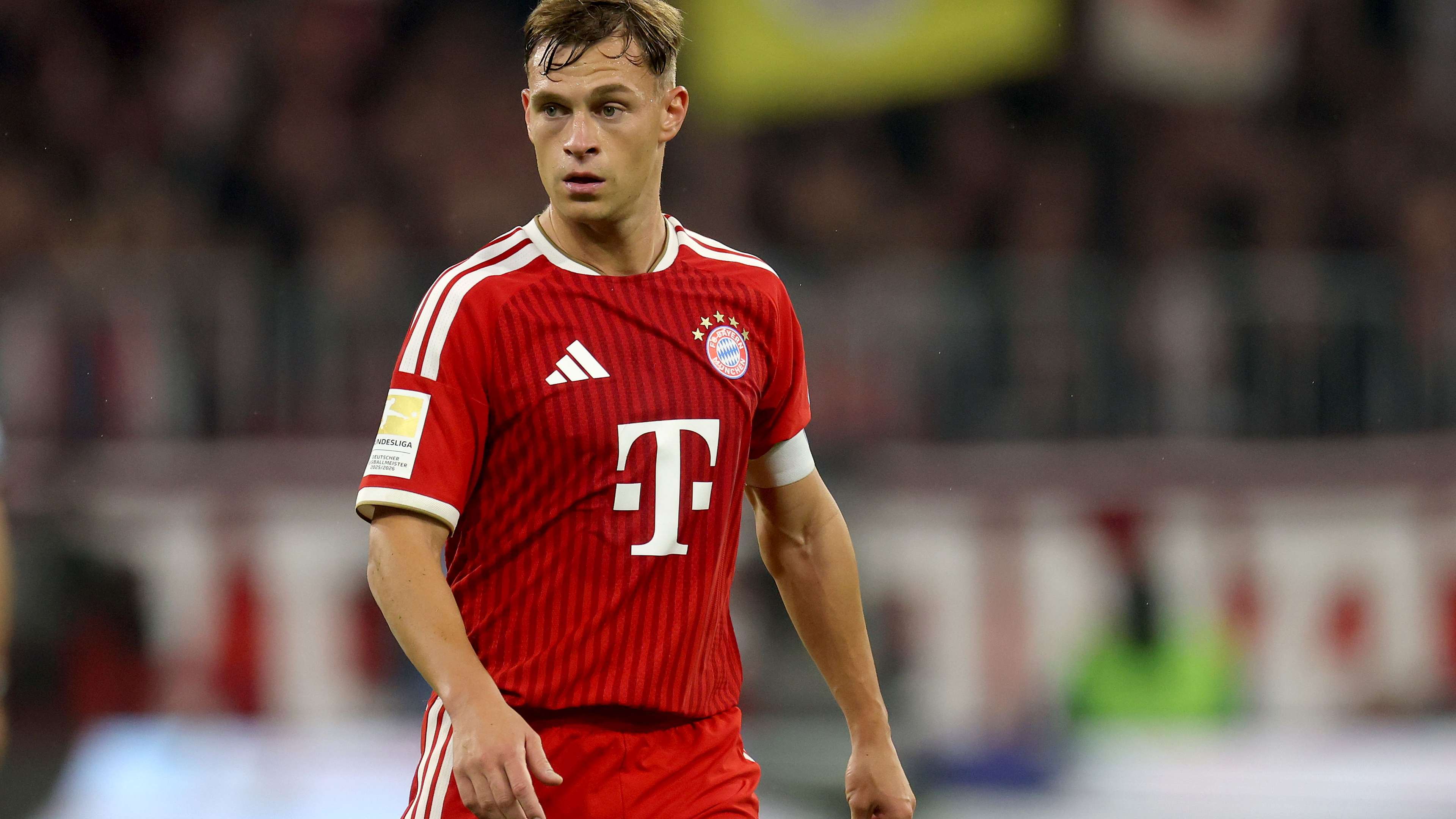
German football great Lothar Matthäus has urged critics to stop questioning Joshua Kimmich’s leadership, arguing that Bayern Munich and Germany need the midfielder’s influence, experience and technical quality. His comments came after Bayern’s emphatic 6-1 Bundesliga victory over RB Leipzig, a performance that offered a timely reminder of the team’s attacking strength—and renewed attention on Kimmich’s role at its heart.
Speaking to Sky Sport Germany on the touchline after the match, with Kimmich standing beside him, Matthäus described the 31-year-old as an exceptional leader whose value extends well beyond a single result. The former Bayern captain said Kimmich had demonstrated those qualities for years, both through his play and through the standards he sets for those around him.
Matthäus Highlights Kimmich’s Leadership
Matthäus argued that leadership at Bayern can translate naturally to the international stage. In his view, Kimmich has earned the respect of teammates and supporters through his commitment, consistency and willingness to take responsibility in demanding moments.
“If you are a leader at Bayern Munich, then you can take on the same role with the national team as well,” Matthäus said. He added that Kimmich is viewed as a role model by those around him—a quality that can be especially important for Germany as the national side continues to build cohesion and establish clear leaders.
The praise was not limited to Kimmich’s personality. Matthäus also pointed to the midfielder’s ability to influence matches when the stakes rise. He said Kimmich brings energy, presence and character to his teams, while possessing the footballing ability to make a decisive contribution in key situations.
That combination helps explain why Kimmich remains a central figure at Bayern. He can help dictate the tempo, offer a passing option under pressure and support the team’s organisation. His responsibilities may vary depending on the tactical setup, but his influence is often visible in the way Bayern build attacks and respond when opponents attempt to disrupt their rhythm.
Why the Debate Around Kimmich Continues
Despite his achievements and long-standing importance, Kimmich has faced scrutiny over his performances and leadership. That debate reflects the high expectations placed on a player who is regularly asked to contribute in several areas of the game. At a club such as Bayern, strong performances are often treated as the minimum requirement, while individual mistakes or difficult spells can quickly attract attention.
Leadership is also a complicated subject in football. It is not measured only by a captain’s armband or a post-match speech. Coaches and supporters may judge it through communication, work rate, decision-making and the ability to remain influential when a team is under pressure. Matthäus’s defence of Kimmich suggests he believes the midfielder continues to meet those demands, even as public discussion focuses on whether he should hold such a prominent role.
His comments also carry weight because Matthäus understands the expectations attached to Bayern and Germany. As a former Bayern star and Germany international, he has experienced the demands of leading teams that are expected to compete for major honours. His message was clear: a player with Kimmich’s qualities should be valued rather than continually subjected to speculation about whether he belongs in a leadership position.
Bayern’s Big Win Provides a Positive Backdrop
Bayern’s 6-1 demolition of Leipzig gave the conversation an upbeat setting. A commanding scoreline can strengthen confidence across a squad, but it also highlights the importance of balance: attacking players may earn the headlines, while midfielders help create the structure that allows the team to control the game.
For Bayern, the result was a statement of attacking intent in the Bundesliga. It also offered fans a chance to assess how the team’s key players are contributing as the season develops. Kimmich’s role remains particularly significant because his responsibilities connect defence and attack. When he is able to distribute effectively and help Bayern maintain control, the team can move forward with greater confidence.
Still, one result does not settle every question. Bayern will face different tactical challenges in upcoming domestic and European fixtures, and the team’s ability to maintain its level over a longer stretch will matter more than a single convincing win. For Kimmich, those matches will provide further opportunities to demonstrate the qualities Matthäus highlighted: composure, influence and the capacity to make a difference when the pressure increases.
Kimmich Responds to the Praise
Kimmich responded warmly to Matthäus’s endorsement, saying he appreciated the support—particularly because it came from someone he clearly respects. The brief exchange added a personal note to the discussion, while underlining how encouraging public backing from a respected former player can be for a current star facing sustained scrutiny.
Matthäus went further, saying he hoped the debate around Kimmich would finally come to an end. He described the midfielder as someone capable of guiding his teams and maintaining strong relationships with teammates, arguing that he possesses the attributes required to continue leading both Bayern and Germany.
That endorsement may not silence every critic, nor should a football prediction about Bayern’s season depend on one player’s reputation alone. Results, fitness, tactical fit and squad depth will all shape the club’s prospects. But Matthäus’s comments reinforce a broader point: experienced leaders can be valuable even when their performances are debated, especially when they bring technical quality and a strong sense of responsibility to the side.
What Kimmich’s Role Could Mean for Bayern and Germany
For Bayern, keeping Kimmich influential could be important as the club pursues domestic success and navigates the demands of European competition. His versatility gives coaches options, while his experience can help younger teammates adapt to high-pressure situations. The challenge is to use those strengths in a way that maximises his impact and supports the team’s overall balance.
Germany face a similar consideration. International squads have limited time to develop understanding, making dependable players who can communicate and organise especially valuable. If Kimmich continues to perform consistently, his leadership could help provide stability as Germany prepare for the challenges ahead.
Ultimately, Matthäus’s defence is both a vote of confidence in Kimmich and a call to judge him in context. The midfielder’s importance cannot be captured by a single match or a passing debate. For Bayern and Germany, the key question is not simply whether Kimmich can lead, but how his qualities can best help his teams compete. Matthäus believes the answer is already clear: football sides with ambitions at the highest level should not underestimate what he brings.