
Pressure Mounts on Massimiliano Allegri After Napoli’s Defeat to Venezia
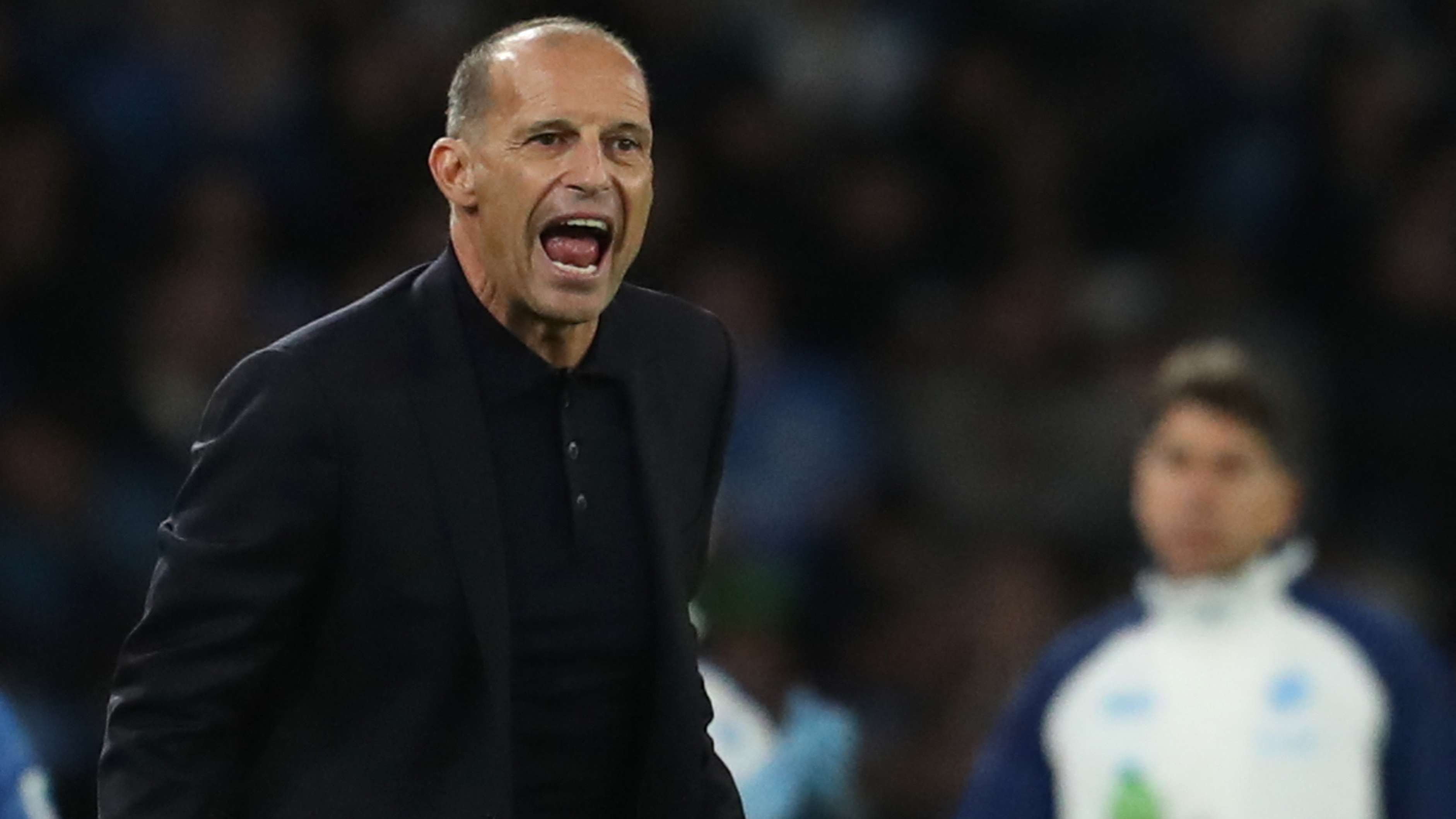
Patience appears to be wearing thin at Napoli after a disappointing start to the season, with Massimiliano Allegri facing growing scrutiny following his team’s 1-0 Serie A defeat to Venezia. The result has intensified questions about the club’s direction, the coach’s approach and how quickly Napoli can recover their momentum.
According to Italian reports, the Napoli board is becoming increasingly concerned about the team’s performances. Corriere dello Sport reported that Allegri missed Sunday morning’s recovery session after Saturday’s loss because he was suffering from flu. His absence was attributed to illness, but it came at a sensitive moment, as players and staff were expected to regroup after a damaging result.
A Defeat That Deepens Napoli’s Concerns
The narrow scoreline does not tell the full story of Napoli’s growing difficulties. A 1-0 loss can be decided by a single mistake or moment of quality, yet the broader concern is the club’s slow start and the lack of convincing progress on the pitch. For a side expected to compete near the top of Serie A, dropped points against Venezia carry significant consequences.
Defeats early in a campaign can quickly shape the mood around a club. Supporters may be willing to accept an occasional setback, but patience becomes harder to maintain when results are accompanied by uncertainty over the team’s identity and consistency. Napoli now face pressure to show that Saturday’s loss was an isolated stumble rather than evidence of a deeper problem.
Allegri Under the Spotlight
Allegri is an experienced coach accustomed to working under intense scrutiny, but his position is inevitably affected by Napoli’s results. When a high-profile club struggles, attention often turns to the manager’s tactical choices, team selection and ability to restore confidence. The defeat to Venezia has therefore placed fresh emphasis on what Allegri will change in the coming fixtures.
One of the immediate challenges will be finding a reliable balance between defensive stability and attacking ambition. A team that concedes too much can lose control of matches, while one that plays cautiously without creating enough chances risks turning every game into a narrow contest. Napoli will need greater clarity in both phases if they are to turn performances into points.
The coach must also manage the psychological side of the situation. A poor run can affect decision-making, confidence and communication across the squad. Restoring belief may require more than a tactical adjustment: players need to see a clear plan and respond with urgency, especially when facing opponents who are prepared to defend deep and exploit mistakes.
What the Board Will Be Watching
Reports that the board’s patience is fading do not automatically mean that a coaching change is imminent. Clubs commonly assess a manager over a sequence of matches rather than reacting to one result. Even so, growing concern can increase pressure on both the coach and the squad, particularly if performances fail to improve quickly.
Napoli’s leadership is likely to focus on several indicators: whether the team creates more clear chances, whether defensive errors decrease and whether results improve against opponents the club is expected to beat. The response in training and the atmosphere around the group may matter too. A visible reaction after a defeat can help reassure decision-makers that the team remains united and capable of correcting course.
There is also a wider strategic question. Napoli’s ambitions are tied to maintaining a competitive place in Serie A, where the race for European qualification and the title can become unforgiving. Every lost point can make the path harder, so the club will be keen to avoid allowing a difficult opening stretch to become a season-long pattern.
Why the Venezia Result Matters
Venezia’s victory is a reminder that Serie A matches are rarely straightforward, regardless of the teams’ reputations or expectations. Organised defending, strong work without the ball and taking advantage of key moments can unsettle even a more celebrated opponent. Napoli’s challenge is to respond to that kind of resistance with patience, movement and sharper execution.
For supporters following the campaign, the next few fixtures will offer a clearer picture of whether the team can recover. A strong performance would ease some of the pressure and give Allegri time to work through the problems. Another disappointing display, however, could intensify debate about whether the current approach is delivering enough.
Napoli’s Next Steps and the Football Prediction
Any football prediction about Napoli’s immediate future should be cautious. The team has the opportunity to rebound, but it must demonstrate improvement rather than rely on reputation alone. If the players respond with greater intensity and the attack becomes more productive, the defeat to Venezia may be remembered as an early warning rather than a turning point.
If uncertainty continues, pressure on Allegri is likely to grow. In the short term, the most important test is whether Napoli can produce a composed, energetic response in their next match. Results will remain the clearest measure, but the quality of the performance will also influence how the board, supporters and players judge the team’s progress.
For now, Allegri’s reported illness explains why he missed the recovery session, while the result itself remains the central issue. Napoli need to regroup, address their shortcomings and show that their ambitions are still realistic. The coming weeks could prove decisive in determining whether the club’s early troubles are temporary—or whether deeper changes may be needed.