
Obstacles Standing in the Way of Asia’s Leaders’ Dream
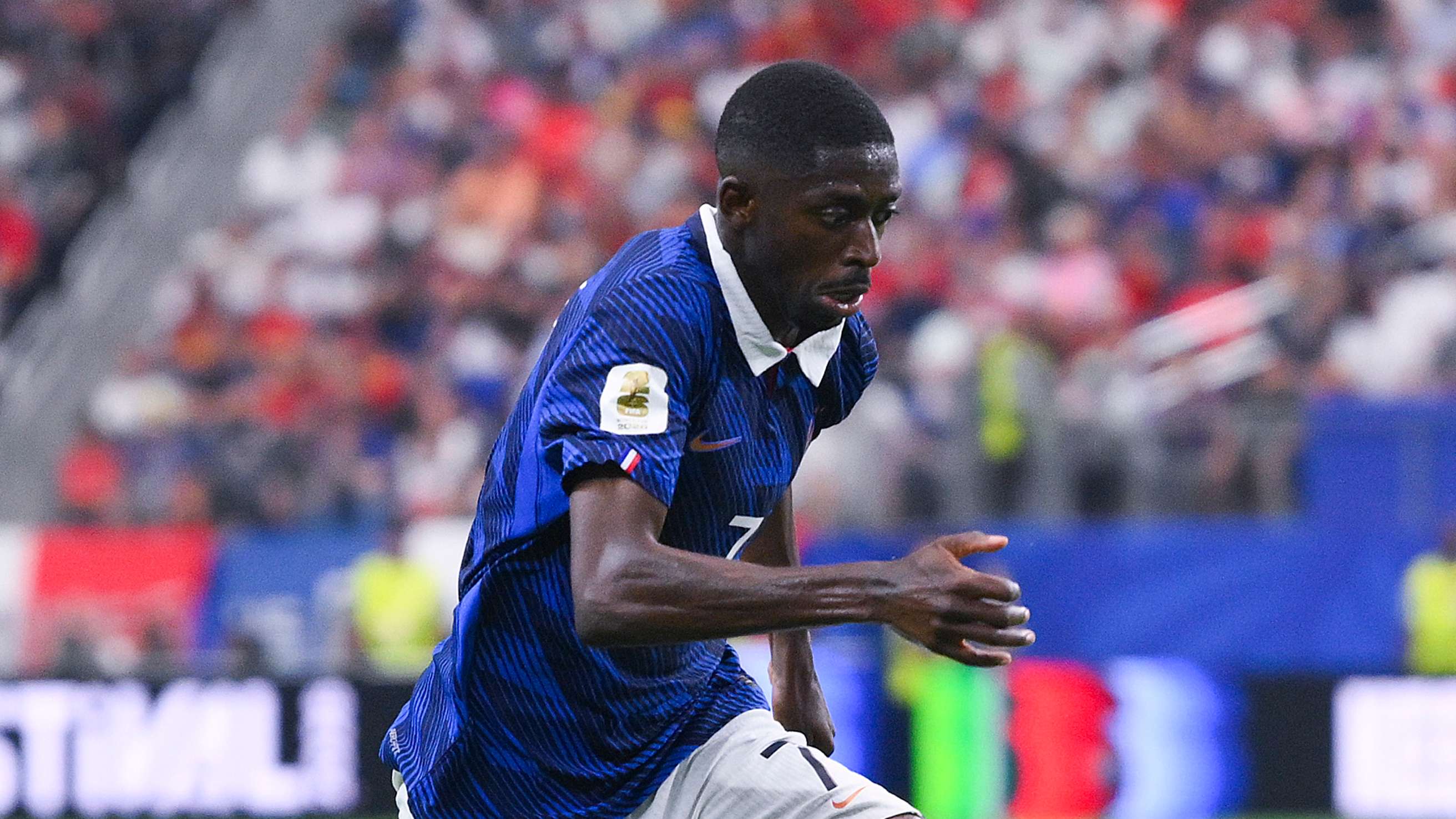
France’s Ousmane Dembélé has been making headlines recently, with reports linking the star player to a potential move from Paris Saint-Germain to Al-Hilal in what could be the Saudi club’s biggest deal ever. While the idea of Dembélé joining Al-Hilal is certainly appealing, the reality of making this transfer happen is proving to be much more complicated than originally anticipated.
A Bill Beyond the Bounds of Reason
If Al-Hilal were to pursue Dembélé, they would not only need to persuade the player to join their ranks but also present a substantial offer to Paris Saint-Germain. Estimates suggest that the deal could cost upwards of 100 million euros, if not more. Dembélé is a key player for PSG, and his contract extension gives the French side a significant advantage in negotiations.
Furthermore, in addition to the transfer fee, Al-Hilal would have to offer Dembélé a substantial annual salary and bonuses, making this potential move one of the priciest in the history of Saudi football.
Luis Enrique Clings to His Most Important Weapon
While the financial aspect of the deal presents a significant challenge, the biggest obstacle facing Al-Hilal is Paris Saint-Germain themselves. Coach Luis Enrique considers Dembélé to be a crucial part of his team, relying on the player to create opportunities, score goals, and lead the attack.
Given Dembélé’s importance to PSG’s sporting project, the French club is unlikely to part ways with the talented forward, regardless of the financial incentives Al-Hilal may offer.
Shift in Strategy for Al-Hilal
Al-Hilal’s approach to big transfers has evolved in recent years. While the club may have once been willing to break records for a player like Dembélé, the current board is focused on a more conservative spending strategy. They are aiming to reduce costs, restructure existing contracts, and maintain financial stability for the future.
Instead of pursuing high-profile, expensive signings, Al-Hilal is now looking to invest in younger players who can contribute over the long term. This shift in strategy makes the likelihood of a deal for Dembélé even more challenging.
The Dream vs. the Reality
While the prospect of adding a player of Dembélé’s caliber to their squad is undoubtedly enticing for Al-Hilal, the obstacles in the way of making this dream a reality are significant. With PSG’s reluctance to sell, the financial demands of the deal, and Al-Hilal’s new focus on financial prudence, the chances of seeing Dembélé in the Roshn League appear slim.
While Dembélé’s name may continue to dominate headlines in the coming days, it will take extraordinary circumstances for Al-Hilal to secure the French star’s services, and as of now, those factors are not in place.
Strategic Considerations in Football Transfers
Football transfers are complex negotiations that involve multiple parties with varying interests. When a club like Al-Hilal aims to bring in a high-profile player like Ousmane Dembélé, they must consider not only the financial implications but also the strategic impact on their team and the broader football landscape.
While a marquee signing like Dembélé can generate excitement among fans and raise the profile of the club, it also carries risks. The pressure for immediate success and the high expectations that come with such a high-profile transfer can put additional strain on the team and coaching staff. Building a cohesive squad that can integrate a new star player seamlessly is a challenge that many clubs face when pursuing big-name signings.
Scouting and Talent Development
In light of Al-Hilal’s shift towards a more conservative spending strategy, investing in young talent and developing players internally has become a key focus for many clubs. Scouting networks play a crucial role in identifying promising young players who can grow and mature within the team, providing long-term value and stability.
By nurturing homegrown talent and recruiting emerging stars, clubs like Al-Hilal can build a sustainable foundation for success, reducing reliance on expensive transfers and maintaining financial health in the long run. This strategic approach not only benefits the club economically but also fosters a sense of continuity and identity within the team.
The Role of Data Analytics in Player Recruitment
In the modern era of football, data analytics have become increasingly important in player recruitment and scouting. Clubs utilize advanced metrics and statistical analysis to identify players who fit their playing style, have the potential for growth, and can contribute positively to the team’s performance.
By leveraging data-driven insights, clubs like Al-Hilal can make more informed decisions when it comes to player acquisitions, maximizing the value of their investments and minimizing risks. Understanding the key performance indicators that drive success on the pitch allows clubs to target players who align with their strategic objectives and enhance the overall quality of the squad.
Building a Winning Team Culture
Ultimately, success in football is not solely determined by the individual talents of star players, but by the collective effort and cohesion of the team. Cultivating a strong team culture, built on trust, communication, and shared goals, is essential for achieving sustained success on the pitch.
While a player like Ousmane Dembélé may bring individual brilliance and flair to a team, integrating him successfully into the existing squad and fostering a harmonious team dynamic is equally important. Clubs that prioritize teamwork, discipline, and a strong work ethic often outperform those that rely solely on individual talent.
Conclusion
As Al-Hilal navigates the challenges of pursuing a player like Ousmane Dembélé, they must consider not only the financial implications but also the strategic impact on their team culture, long-term sustainability, and overall vision for success. By balancing the allure of high-profile signings with a focus on talent development, data-driven recruitment, and building a cohesive team environment, clubs can position themselves for sustained success in the competitive world of football.