
Serge Aurier Revisits Laurent Blanc Feud in a Staged Apology on Canal+
Former Paris Saint-Germain defender Serge Aurier has revisited one of the most notorious controversies of his career, offering an apology to ex-manager Laurent Blanc in a satirical television sketch. A decade after insulting Blanc during a live broadcast on the Periscope app, Aurier appeared on Canal+’s Inspector Mathoux—but made little effort to disguise his doubts about the exercise.
The segment, hosted by Hervé Mathoux, was designed to coax a more heartfelt apology from the Ivorian. Instead, Aurier opened with a candid admission: “I can’t pretend…” That remark set the tone for a performance featuring melodramatic piano music, onions and eye drops, leaving viewers to decide whether the gesture was sincere, comic, or deliberately somewhere in between.
The Periscope incident that shook PSG
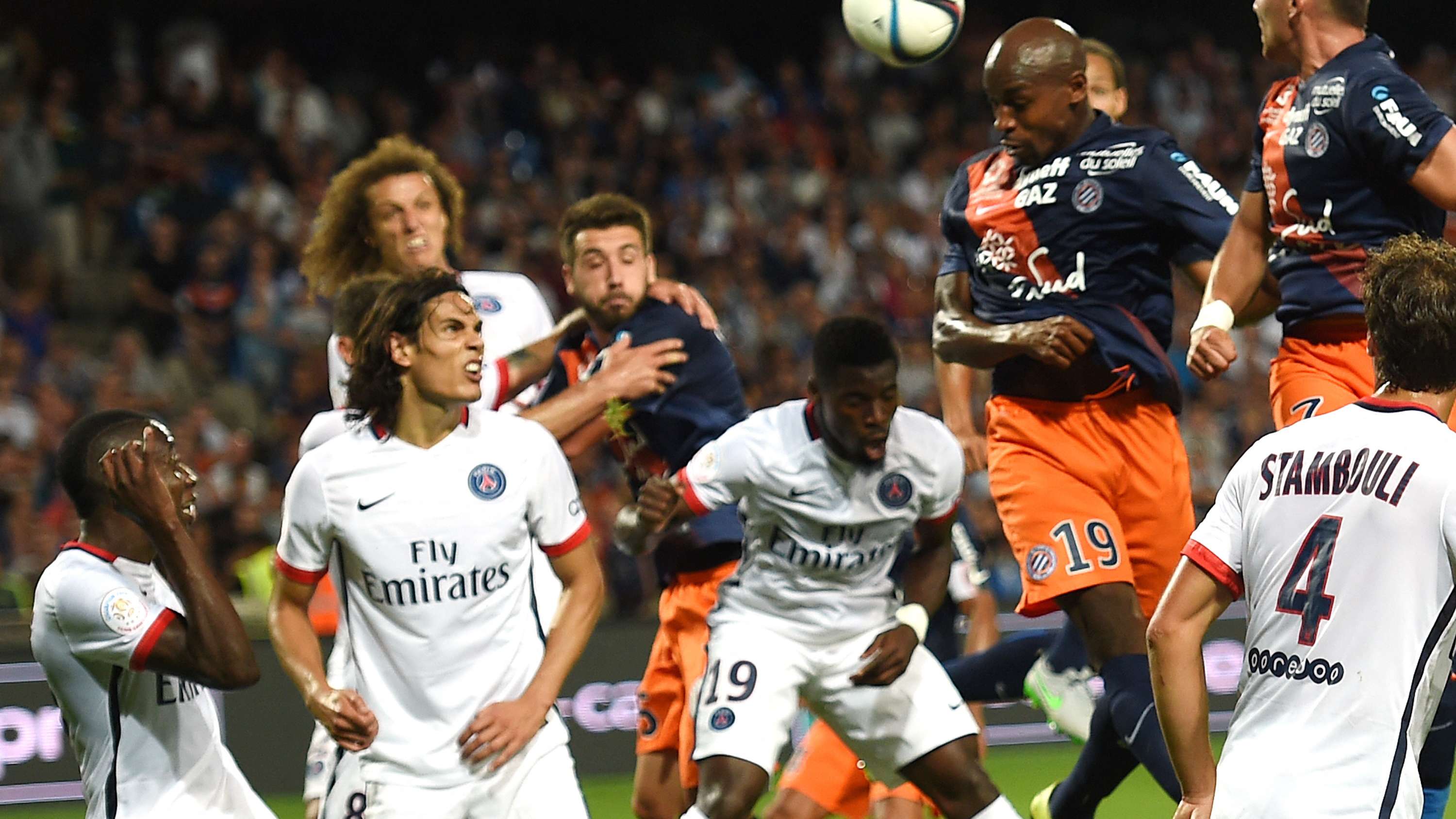
The original controversy erupted during the 2015–16 season, when Aurier was a key part of a Paris Saint-Germain side competing for domestic honours and making its mark in European football. During a Periscope broadcast, he insulted Blanc, who was then PSG’s head coach, and made disparaging comments about some of his teammates. Among the remarks, Aurier called Blanc “a sissy”—a comment that quickly spread beyond the live stream and triggered a major internal crisis at the club.
The timing made the incident especially damaging. PSG were a high-profile team with title ambitions, and the comments raised questions about discipline, dressing-room relationships and the authority of the coaching staff. In elite football, a player’s conduct away from the pitch can become a sporting issue when it undermines a manager or creates distractions during a demanding season.
PSG responded by sidelining Aurier for two months. The punishment was intended to address the seriousness of his conduct, but the situation also exposed tensions within the club. Blanc reportedly felt disappointed by the level of support he received from the board. About a month after the controversy began, club president Nasser Al-Khelaifi visited Aurier while the defender was with the reserve team—a move that added another layer to the debate over how PSG had handled the affair.
Aurier later called it a serious mistake
Aurier subsequently tried to explain the broadcast in an interview with RMC Sport. He said he had been in the middle of a rant and was not paying close attention to the questions being put to him. He also described the stream as something done for laughs, with a large audience watching on the app.
That explanation did not erase the impact of the comments. Aurier later acknowledged that the episode had been a major act of foolishness, recognising that what may have seemed like a joke in the moment had serious consequences. The incident became a defining chapter in his PSG career, illustrating how quickly an informal social-media broadcast can turn into a professional crisis.
For clubs and players, the episode remains a familiar warning: live-streaming platforms can blur the line between private banter and public communication. A comment made without much thought can be clipped, shared and scrutinised by fans, journalists and teammates long after the original broadcast ends.
Onions, eye drops and an invitation for coffee
Ten years later, Aurier returned to the subject on Canal+ while discussing his past in a comic format. Now 33, he is coaching an under-15 team at Lens, a change of role that gives the story a fresh perspective. Rather than being judged only as a former player, he is now working with young footballers who are learning about professionalism, responsibility and the consequences of their choices.
In the sketch, Aurier read from a prepared message addressed to Blanc. The production leaned into the theatrical nature of the apology, using onions and eye drops to suggest manufactured tears while a sorrowful piano soundtrack played in the background.
“Dear Laurent, if only you knew how much I regret it,” Aurier read. He added that ten years had passed and that he still thought about his former manager, before insisting that he had not meant any of the words he said. The message ended with an invitation to meet for coffee and a plea for forgiveness.
The comic staging made it difficult to treat the words as a straightforward, formal apology. Aurier’s own opening admission that he could not pretend only sharpened the uncertainty. The sketch may have been intended to entertain, but it also reopened a question that has followed the incident for years: whether the defender ever fully repaired his relationship with Blanc.
Will Blanc accept the apology?
So far, no response from Blanc has been reported. The former France national team coach has not publicly addressed Aurier’s Canal+ appearance, leaving the invitation—and the possibility of reconciliation—unanswered.
There is a difference between expressing regret in a television sketch and making amends in private. The programme’s humour may have given Aurier a way to revisit the episode without turning it into a solemn interview, but Blanc’s reaction, if he chooses to offer one, will ultimately determine how the gesture is received by those involved.
For football fans, the story is more than a recycled dressing-room scandal. It reflects how player-manager relationships can be tested by public criticism, how club leadership can shape the fallout, and how social media has changed the risks surrounding professional sport. It also shows how reputations evolve: Aurier’s career has moved beyond PSG, while his current work with young players places renewed emphasis on the lessons that can be drawn from past mistakes.
As for a prediction on what happens next, a public reconciliation should not be assumed. The apology was delivered in a satirical setting, and Blanc has yet to respond. Still, revisiting the episode may offer both men an opportunity to close a chapter that began with a livestream and became one of PSG’s most memorable off-field controversies of the period.