
Cristiano Ronaldo Faces Disciplinary Action After Portugal Camp Walkout
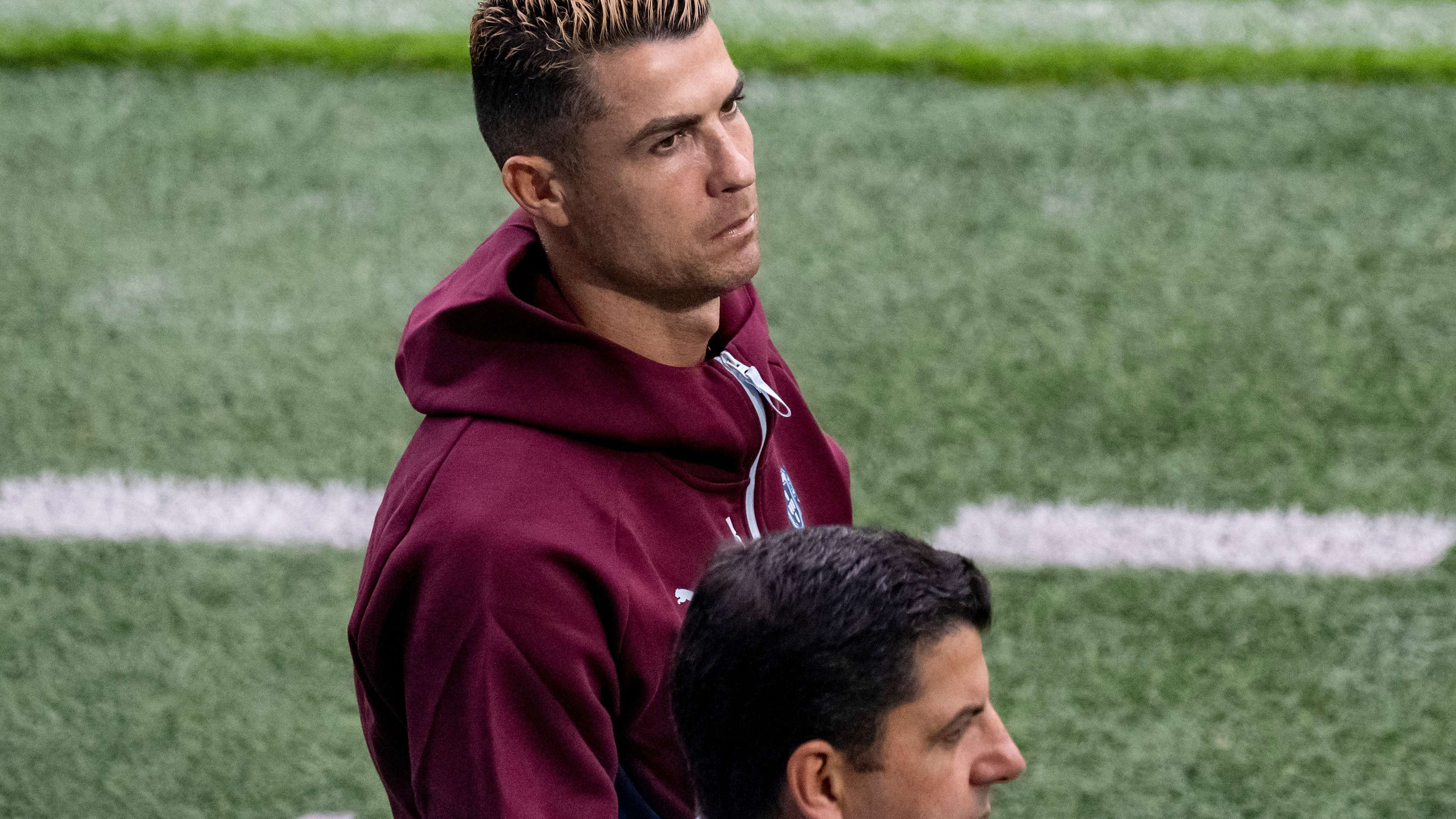
Cristiano Ronaldo’s frustration over a late change in his role with Portugal has escalated into a formal disciplinary matter. The Portuguese Football Federation (FPF) has suspended the veteran forward after he left the national team camp following a disagreement with coach Jorge Jesus. The incident has put the spotlight on team discipline, leadership and the challenge of managing one of football’s most celebrated players.
The dispute began during Portugal’s 4–2 Nations League victory over Norway. Ronaldo was asked to warm up but remained on the bench throughout the match. He reportedly felt that the sequence of events, and the way his role had been handled, showed a lack of respect. Rather than stay with the squad, he left camp—an action that prompted the federation’s disciplinary process.
Why the Federation Is Considering a Suspension
According to the British newspaper The Mirror, the FPF’s regulations triggered an automatic suspension following Ronaldo’s departure. The federation’s disciplinary council must now determine how long the penalty will last. Reports indicate that the possible suspension could range from one month to six months, although the final decision will depend on the circumstances and the council’s assessment.
A ban lasting longer than a month could rule Ronaldo out of Portugal’s next two Nations League fixtures, against Denmark and Wales. That possibility gives the decision sporting significance as well as disciplinary weight: Portugal would have to plan for major matches without its most experienced international scorer. ESPN has suggested that a shorter punishment is the likeliest outcome, but no final length has been confirmed.
The council is expected to consider several factors, including Ronaldo’s status as captain, the impact of his departure on the squad and the apology he later issued. His willingness to accept responsibility may be relevant, but it does not automatically remove the consequences of breaking team rules.
Ronaldo Accepts Responsibility but Explains His Decision
In a lengthy statement released on Tuesday, Ronaldo apologised to his Portugal teammates and the public. He acknowledged that leaving camp was a mistake, even as he maintained that the disagreement with Jesus had affected his trust in the coach’s word.
“I also owe an apology to my national team colleagues for leaving the camp,” Ronaldo said. He added that he should not have walked away, despite his belief that a promise made to him had been broken. Ronaldo said he felt his continued presence would harm the group and that he had acted in line with a personal principle: leaving when he no longer believed he could be useful.
The forward also called on the federation to impose a punishment. He said he understood that his actions should have consequences and argued that his role as captain made the incident more serious, not less. In his view, football’s rules must apply equally, regardless of a player’s reputation or achievements.
That public acceptance of responsibility may help calm the situation, but it also underlines the difficult balance Ronaldo is trying to strike: explaining why he felt aggrieved without excusing the decision to leave. For a captain, the distinction matters. Teammates look to senior players not only for performances, but also for an example of how disagreements should be handled.
Jesus Keeps the Focus on Portugal’s Work
Jesus, meanwhile, has avoided adding fuel to the dispute. Asked about Ronaldo’s statement, the coach said he had read it and would continue with his normal duties, focusing on the team and his work at the federation.
His measured response suggests that Portugal’s immediate priority is maintaining stability while the disciplinary process runs its course. Coaches must make selection decisions based on form, tactics and the needs of the squad, while also communicating those choices clearly. A player’s reaction to being left out can quickly become a wider issue if it affects preparation or team morale.
The episode also raises familiar questions in modern football: how should a coach manage a global star late in his career, and how can a national team preserve authority when its captain disagrees with a decision? Portugal’s answer will depend not only on the punishment, but on whether the parties can restore trust and keep the focus on results.
What the Suspension Could Mean for Portugal
Ronaldo’s possible absence would be a notable change for Portugal, even as the team continues to develop options across the pitch. His experience, movement and reputation can influence opponents before a match begins. At the same time, a suspension could give other forwards a chance to take on greater responsibility and help the coaching staff test alternative combinations.
Any prediction about Portugal’s performance without Ronaldo should be treated cautiously. The outcome would depend on the length of the ban, the form of the available players and the tactical approach Jesus chooses. Portugal’s 4–2 win over Norway showed the team can produce goals, but upcoming Nations League fixtures would offer a more demanding test of its depth and adaptability.
For Ronaldo, the situation is especially significant because international football has been central to his career. Since making his Portugal debut, he has earned 234 caps and scored a record 146 goals for his country. Those figures place him among the most influential players in the history of the national team, but they do not exempt him from federation rules.
A Test of Leadership and Discipline
The disciplinary council’s decision will determine the immediate football consequences, but the longer-term impact will depend on how Portugal moves forward. A short suspension could close the matter quickly, while a longer penalty would create a more substantial challenge for both the player and the team.
Ronaldo’s apology signals that he recognises the seriousness of leaving camp. Jesus’s restrained comments, in turn, keep attention on the squad rather than the conflict. Whether the episode becomes a brief disruption or a lasting source of tension will hinge on communication, accountability and the team’s ability to put the disagreement behind it.
For now, Portugal must prepare for its next Nations League matches while awaiting the federation’s ruling. The case is a reminder that even in elite football, individual status cannot replace collective responsibility—and that a captain’s conduct can matter as much as his goals.