
Barcelona Await Raphinha Fitness Update Ahead of PSG and Real Madrid Tests
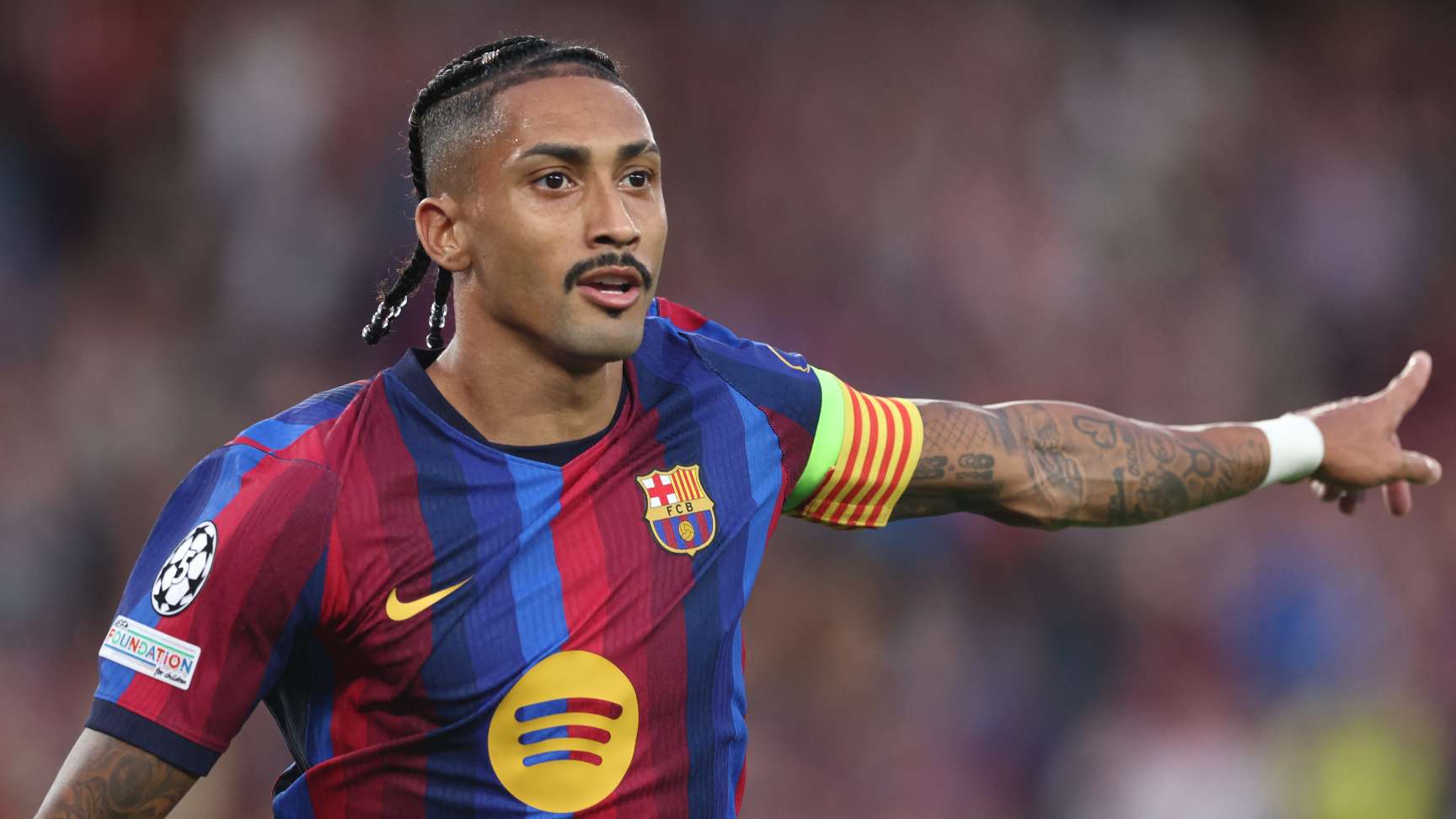
Barcelona are monitoring Raphinha’s recovery closely as a demanding run of fixtures approaches, with the Brazilian winger still uncertain to return after missing the club’s last two matches. He has been dealing with discomfort in a thigh muscle sustained while on international duty, and the Catalan side are not expected to risk him until he is ready to compete at full intensity.
According to a report by the Spanish website Tribuna, Barcelona are targeting their Champions League meeting with Paris Saint-Germain as a possible return date. That plan depends on the winger’s progress over the coming days, however, and no firm timetable has been confirmed. Saturday’s match against Real Betis is considered more likely to come too soon.
A Crucial Stretch in Barcelona’s Season
The timing of Raphinha’s injury is far from ideal. Barcelona face three high-profile challenges in quick succession: an away trip to Real Betis on Saturday, October 17, a journey to France to play PSG in the Champions League on Tuesday, October 20, and the first Clásico of the 2026–27 season against Real Madrid at Camp Nou on Sunday, October 25.
With only five days between the PSG match and the meeting with Madrid, the next phase of Raphinha’s rehabilitation could shape Barcelona’s options for both contests. Returning against PSG would give him an opportunity to regain match rhythm before the Clásico, but the club’s priority is likely to be his long-term fitness rather than a rushed comeback for a particular fixture.
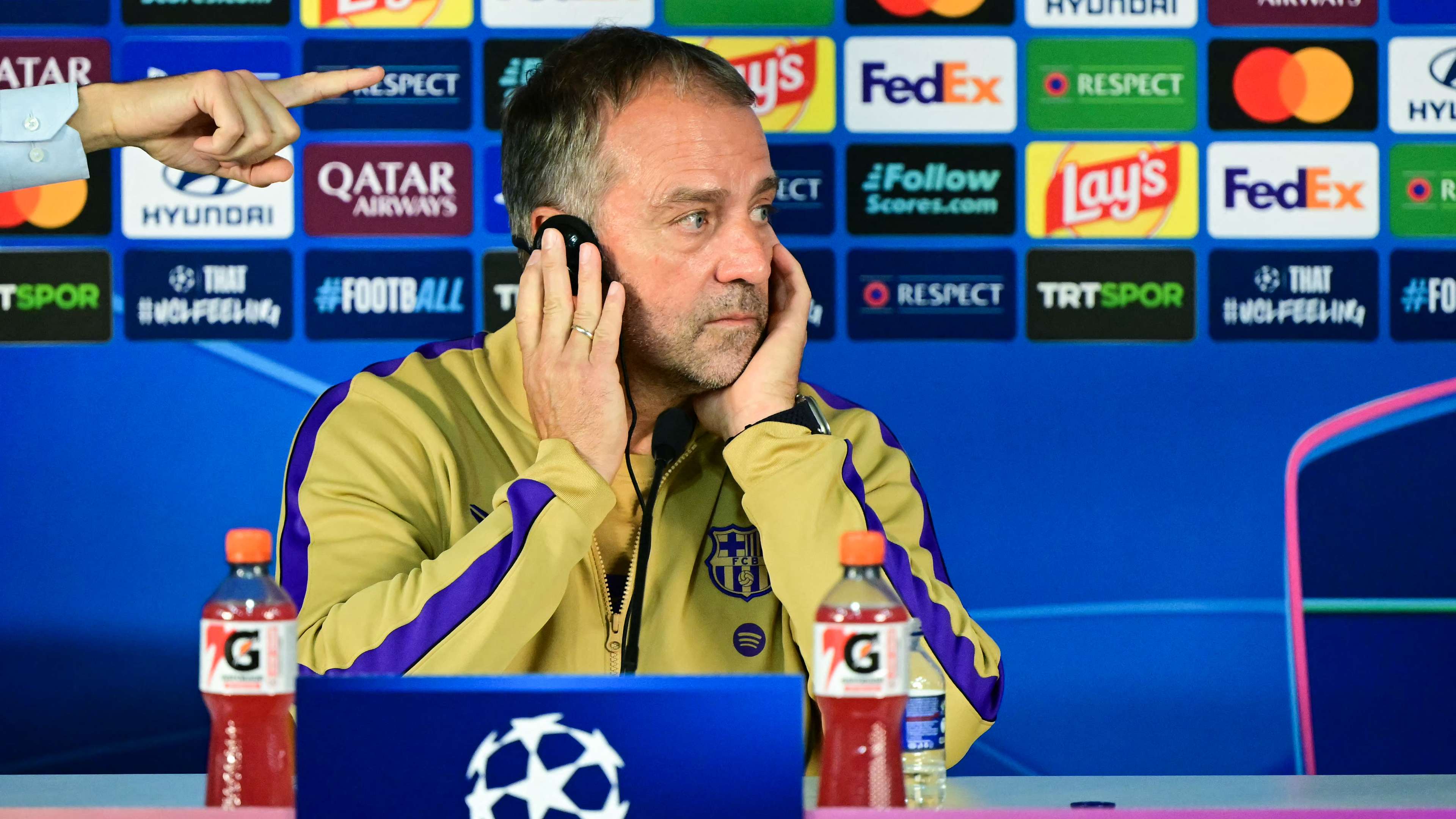
Barcelona’s medical staff and head coach Hansi Flick will assess the winger’s response to training and recovery work before making a decision. A player may feel ready to return before he has rebuilt the strength and sharpness needed for elite-level football, especially when the injury involves a muscle group used repeatedly for sprinting, pressing and changing direction.
Why Barcelona Are Unlikely to Take Risks
Muscle injuries can be difficult to manage because returning too early may increase the risk of aggravating the problem. For a wide attacker such as Raphinha, explosive acceleration and repeated runs are central to his role. Barcelona will therefore want to see that he can handle those demands before clearing him for competitive action.
The schedule also gives the club reason to be cautious. A short-term gamble against Betis could potentially rule the Brazilian out of the much-anticipated Clásico—or leave him unable to contribute effectively. By contrast, a carefully managed return could allow him to build minutes gradually and be in better condition for the season’s biggest early test.
There is no confirmed return date, so supporters should treat the PSG fixture as a possibility rather than a guarantee. Barcelona’s decision will depend on how Raphinha feels and performs as he increases his workload. The final training sessions before each match are likely to provide the clearest indication of whether he is ready.
Barcelona’s Attack Has Shown Its Depth
Raphinha’s absence has not stopped Barcelona from producing goals. The team beat Galatasaray 4–1 in the Champions League, demonstrating that it has several ways to create danger even without one of its most influential wide players. The result offered reassurance that the squad can share the attacking workload while the Brazilian recovers.
That depth matters during a crowded calendar. Barcelona can adjust their forward line, use different combinations on the wings and rely on movement from several players rather than asking one individual to provide all the width and creativity. Such flexibility could be particularly valuable against opponents who press aggressively or defend in compact formations.
Still, Raphinha brings qualities that are difficult to replace completely. His direct running, ability to attack space and willingness to press can change the tempo of a match. He also gives Barcelona another route to goal when opponents focus their defensive attention on the central areas. His return would therefore strengthen Flick’s choices, even if the team has already shown it can score without him.
PSG and the Clásico Shape the Prediction
For fans weighing up Barcelona’s prospects in the coming games, Raphinha’s availability is an important factor—but not the only one. The team’s recent attacking performance suggests it has enough firepower to remain competitive, while the quality of PSG and Real Madrid means that fitness, defensive organisation and control of midfield will also be decisive.
Any football prediction for the PSG clash or the Clásico should account for the uncertainty surrounding the winger. If he returns in time and is fit enough to start, Barcelona gain pace and experience in the final third. If he remains unavailable, Flick will need to rely on the players who have filled the gap, potentially adjusting his formation or substituting attacking roles according to the opponent.
The key distinction is between being available and being fully match-fit. Even if Raphinha makes the squad for the European fixture, Barcelona may choose to limit his minutes rather than immediately hand him a full workload. That approach could preserve his influence for the Madrid match while reducing the chance of a setback.
Patience May Be the Best Strategy
For now, Barcelona’s position appears measured: the club is hopeful that Raphinha can return for the PSG encounter, but it is not committing to a date. Betis may arrive too early, and the Clásico remains a major target only if the winger’s recovery continues without complications.
The coming days will reveal whether his thigh has responded well enough to increased training. Until then, Barcelona supporters can take encouragement from the team’s recent goalscoring form while recognising how valuable Raphinha could be in a run of matches that may influence the club’s momentum in both domestic and European competition. The safest outcome for Barcelona is not simply a quick return, but a fully prepared winger ready to make a sustained contribution.