
Heavy Istanbul Rain Vindicates Hansi Flick’s Barcelona Recovery Plan
Barcelona’s convincing 4-1 victory over Galatasaray brought more than three valuable points in the Champions League. It also gave head coach Hansi Flick a timely reason to reconsider the team’s schedule after a demanding night in Istanbul. As heavy rain swept across the Turkish city, the German coach’s decision to cancel a planned outdoor training session looked increasingly sensible.
The Catalan side remained in Istanbul after Tuesday’s emphatic win in the second round of the Champions League league phase. Rather than return to the training ground for a full session the following day, Barcelona’s players completed recovery work at the team hotel. The change gave the squad time to rest before a busy stretch of domestic and European fixtures.
Barcelona choose recovery over training
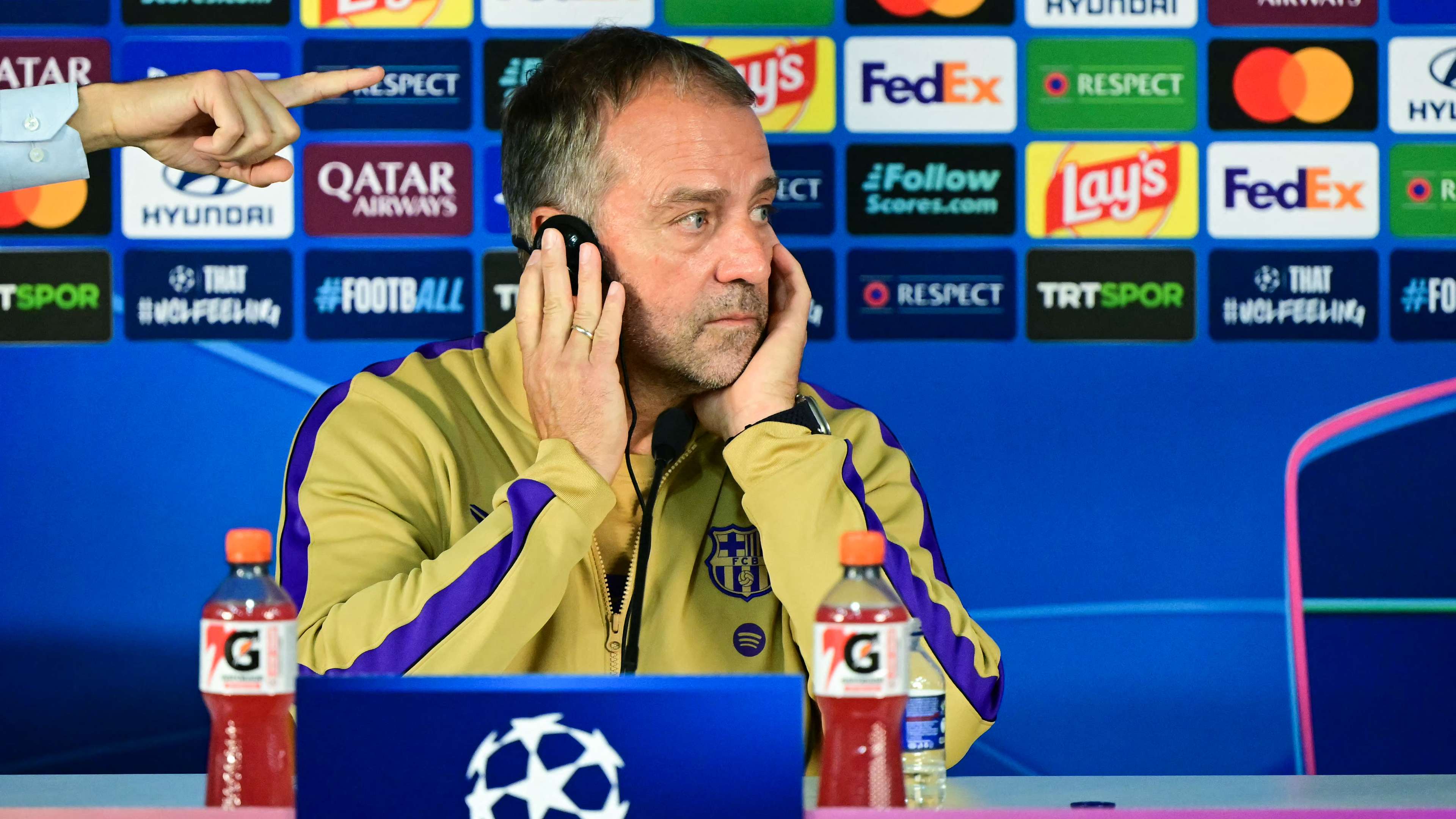
Flick had initially planned a training and recovery session at Galatasaray’s facilities. However, after Barcelona’s performance and the physical demands of the match, he opted to remove the outdoor workout from the schedule. According to Mundo Deportivo, the players instead focused on recovery exercises in the hotel gym.
The weather offered a clear reminder of why the adjustment made sense. Heavy rain fell throughout the night, creating conditions that would have made a pitch session uncomfortable and potentially less productive. In that context, Flick’s decision was not simply about avoiding poor weather; it was also a practical way to protect the players’ energy and reduce unnecessary strain.
Recovery is an important part of modern football preparation, particularly when teams face repeated travel and matches in quick succession. A controlled gym session can help players begin the recovery process without adding the physical burden of another full training session. For Barcelona, the priority was to leave Istanbul in good condition and return to work at home with the next challenges already approaching.
A packed schedule builds toward the Clasico
Barcelona were expected to fly home early on Wednesday afternoon before resuming training on Thursday morning. Their immediate focus is a La Liga meeting with Real Betis at La Cartuja on Saturday, 17 October. The fixture starts a demanding run of games in which careful squad management could prove just as important as tactical preparation.
A further training session is scheduled for Sunday, giving Flick and his staff an opportunity to assess the players after the domestic match. Barcelona are then due to travel to Paris on Monday ahead of their third Champions League league-phase game, against Paris Saint-Germain on 20 October. The meeting with PSG will reunite the club with Luis Enrique, adding another layer of interest to an already significant European test.
The sequence leaves little room for extended rest. Barcelona must move from Istanbul to their home training base, prepare for Betis, and then switch quickly to a major continental contest in Paris. Every recovery decision may therefore help the coaching staff keep the squad fresh across different competitions.
Why the recovery decision matters
Flick’s approach highlights a broader challenge for leading clubs: balancing training intensity with the need to preserve players during congested periods. A session may be useful in isolation, but its value can change when it follows a high-stakes match, a long journey or a difficult night of weather. The best preparation is not always the most demanding one.
Barcelona’s 4-1 result against Galatasaray also gave the coach more flexibility. A strong performance and a clear victory can make it easier to prioritise recovery rather than immediately return to the pitch for additional work. That does not mean the team can afford to relax. Instead, it allows the staff to direct training time toward the next opponent once the players have had a chance to recover.
The decision may also help limit the effects of travel fatigue. Long journeys can disrupt routines and leave players with less time to rest, especially when fixtures arrive only days apart. Returning to Barcelona and training in familiar surroundings should help the squad settle before the next away trip to Paris.
Prediction: Barcelona face a demanding test in Paris
Barcelona’s upcoming schedule offers little opportunity to dwell on the Galatasaray win. Betis will provide a domestic challenge before the team turns its attention to PSG, whose quality and attacking threat are likely to demand a sharper tactical performance. A confident result in Istanbul gives Flick’s side momentum, but the Paris match will be a different kind of test.
The key question will be how effectively Barcelona manage their energy across the run of fixtures. If the squad can recover well, maintain its intensity and avoid unnecessary injuries, the Catalans should be better placed to compete in both La Liga and Europe. Flick’s decision to cancel the rain-soaked session may seem like a small detail, but such choices can matter over a crowded calendar.
After the Paris trip, attention will turn toward one of the biggest dates on Barcelona’s schedule: the Clasico against Real Madrid on Sunday, 25 October. Flick is keen for his players to return promptly, settle back into their routine and prepare properly for the rivalry match. With Betis, PSG and Real Madrid all coming in quick succession, the recovery period in Istanbul could prove a useful first step in keeping the team ready for the challenges ahead.