
Arsène Wenger Weighs FIFA Presidency Challenge as Football Power Struggle Intensifies
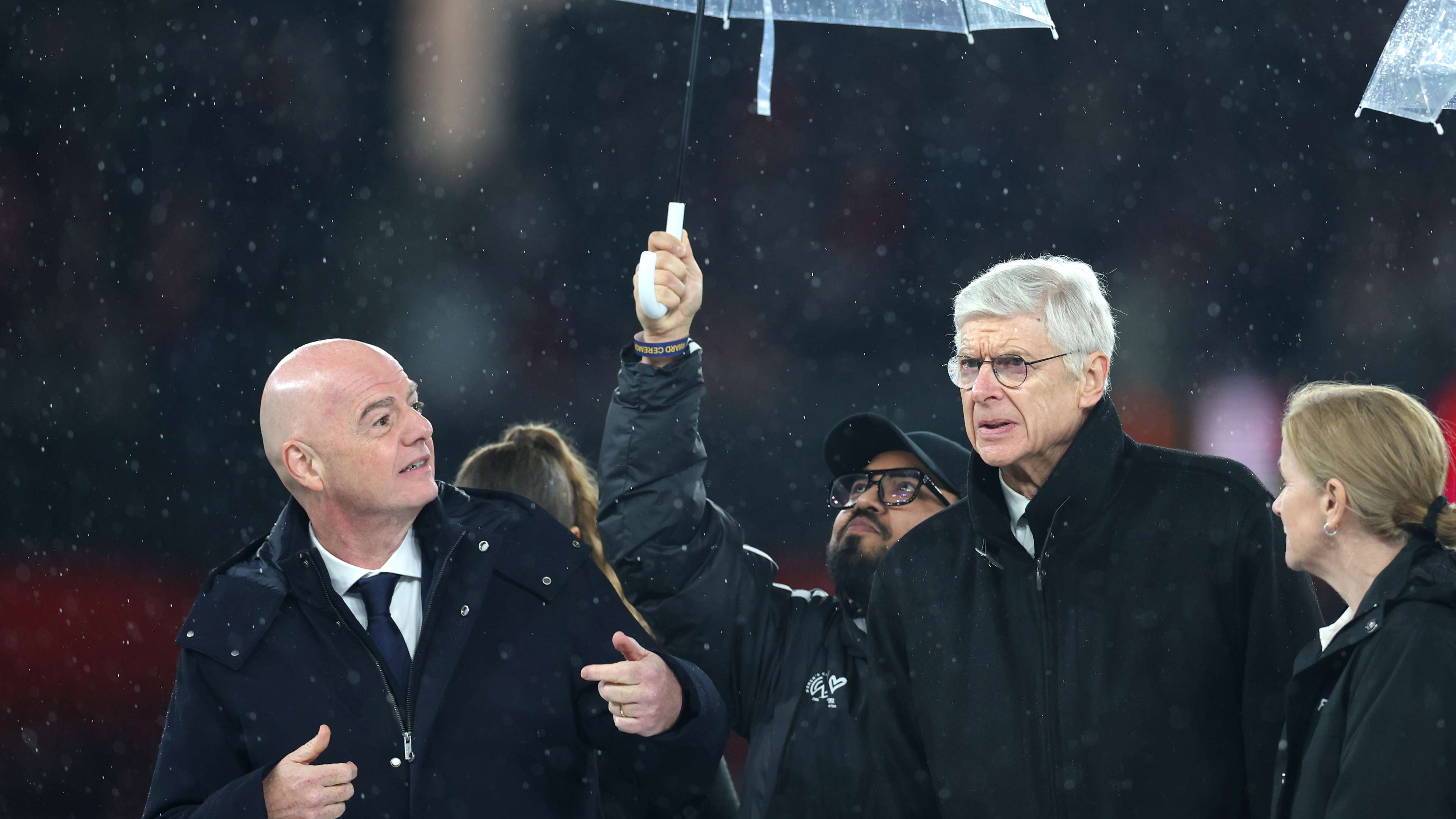
Arsène Wenger is considering a run for the FIFA presidency, a move that could reshape the leadership contest against incumbent Gianni Infantino. The former Arsenal manager, now FIFA’s chief of global football development, has not made a final decision, but influential figures in European football are encouraging him to enter the race.
The potential challenge comes at a difficult moment for Infantino. His authority has been questioned following fierce criticism of a now-abandoned proposal to sell commercial stakes connected to the World Cup to private investors. With FIFA’s next presidential election scheduled for March, the dispute has added urgency to a contest that is already attracting attention across the game.
A possible rival with global recognition
Wenger would bring a profile few candidates can match. During his long career at Arsenal, he became one of football’s most respected managers, known for developing young players, modernising training methods and building successful teams. His reputation extends well beyond Europe, particularly in Africa, where he has long spoken in support of the continent’s players and football development.
That international standing could make him a serious challenger if he decides to run. UEFA, the governing body for European football, has been among the strongest critics of Infantino’s handling of the disputed commercial plan. Wenger’s candidacy could therefore give opposition to the incumbent a prominent figure around whom to unite.
His supporters also point to his backing for expanding the men’s World Cup from 32 teams to 48. The larger tournament, introduced for the 2026 edition, creates additional opportunities for national teams from regions that have historically had fewer places. That position may resonate with associations seeking greater representation on football’s biggest stage.
However, Wenger’s age is likely to become part of the discussion. At 77, questions would arise about the length of time he could serve and what kind of leadership structure he would establish. Some backers have reportedly suggested that he could lead FIFA for a shorter period and then make way for a successor before the end of a four-year term. Such an arrangement would amount to a transitional presidency, though it would also raise questions about continuity and succession planning.
Infantino remains a formidable favourite
Despite the pressure surrounding him, Infantino retains substantial support in Africa, Asia and South America. He has described his backing as coming from the “overwhelming majority” of the football world and is seeking another term after already winning three elections. The coming months will show whether that support remains firm as member associations assess the controversy and the alternatives available to them.
Africa could be especially important to the outcome. Infantino has built relationships across the continent and recently received support from all 54 African national associations, alongside a promise to increase funding for the region. FIFA’s development grants are a major source of investment for many associations, making funding commitments and delivery records central issues in any election campaign.
Wenger’s history with African football could complicate that picture. As Arsenal manager, he recruited and developed players from across the continent and helped bring African talent to a global audience. That legacy may give him credibility with some voters, although personal popularity alone is unlikely to outweigh established political alliances and financial commitments.
Election deadline brings the contest into focus
Potential candidates have until 18 November to confirm they will stand against Infantino in the March election. Former Tottenham defender Ramon Vega announced his candidacy in October, while Kozo Tashima, honorary president of the Japan Football Association, has also indicated an intention to run.
Wenger’s decision could change the shape of the field. A high-profile candidate with experience in both club football and FIFA’s development work may attract support from associations looking for a credible alternative. But he would need to turn his reputation into a clear campaign, including specific proposals on governance, funding, commercial partnerships and the distribution of resources among member nations.
For now, people close to Wenger say he is still considering his options. He reportedly believes Infantino remains the favourite to secure another term. That assessment may reflect the incumbent’s existing alliances, but the recent controversy has created an opening for challengers to question how decisions are made at FIFA.
Commercial proposal fuels calls for transparency
The immediate flashpoint is the abandoned plan to sell commercial stakes linked to the World Cup, described in reports as part of a “strikers’ project” or FIFA Forward-related proposal. UEFA gave FIFA a deadline of 2 November to provide details about the plan and explain how it had been developed. The demand followed a FIFA Council meeting at which Infantino apologised for the proposal’s withdrawal but did not publicly set out the process behind it.
FIFA has said that key documents will be made available to council members. However, representatives must travel to the organisation’s Zurich headquarters to view them, and access will be subject to strict protocols. Critics may see that arrangement as insufficient, particularly when questions about transparency and accountability are already central to the dispute.
Wenger, despite being regarded as loyal to Infantino, distanced himself from the plan. He said he had not been involved in developing it and first learned about it through media reports. He also described the decision to withdraw the proposal as necessary, stressing the importance of an independent FIFA that serves football with commitment, transparency and integrity.
Wenger’s record could be both an asset and a challenge
Wenger’s time at FIFA has not been free from controversy. He has supported major changes to the international game, including the possibility of holding the World Cup every two years, and has discussed adjustments to the offside law. Those ideas have prompted debate among players, coaches, supporters and national associations about the balance between innovation and preserving the sport’s traditions.
If he runs, his campaign will need to explain how he would approach such reforms and whether he would prioritise consultation with leagues, clubs and national teams. The election is not only a contest between personalities; it is also a choice about FIFA’s direction, the role of commercial investment and how the benefits of global football are shared.
The prediction for now is that Infantino remains the favourite, given his broad international backing and control of the governing body’s existing political network. But Wenger’s entry could make the race far more competitive, especially if European opposition coalesces around him and his reputation attracts support beyond the continent. Until he confirms his decision, football’s most consequential leadership contest remains an open question—and one that could influence the sport’s governance for years to come.