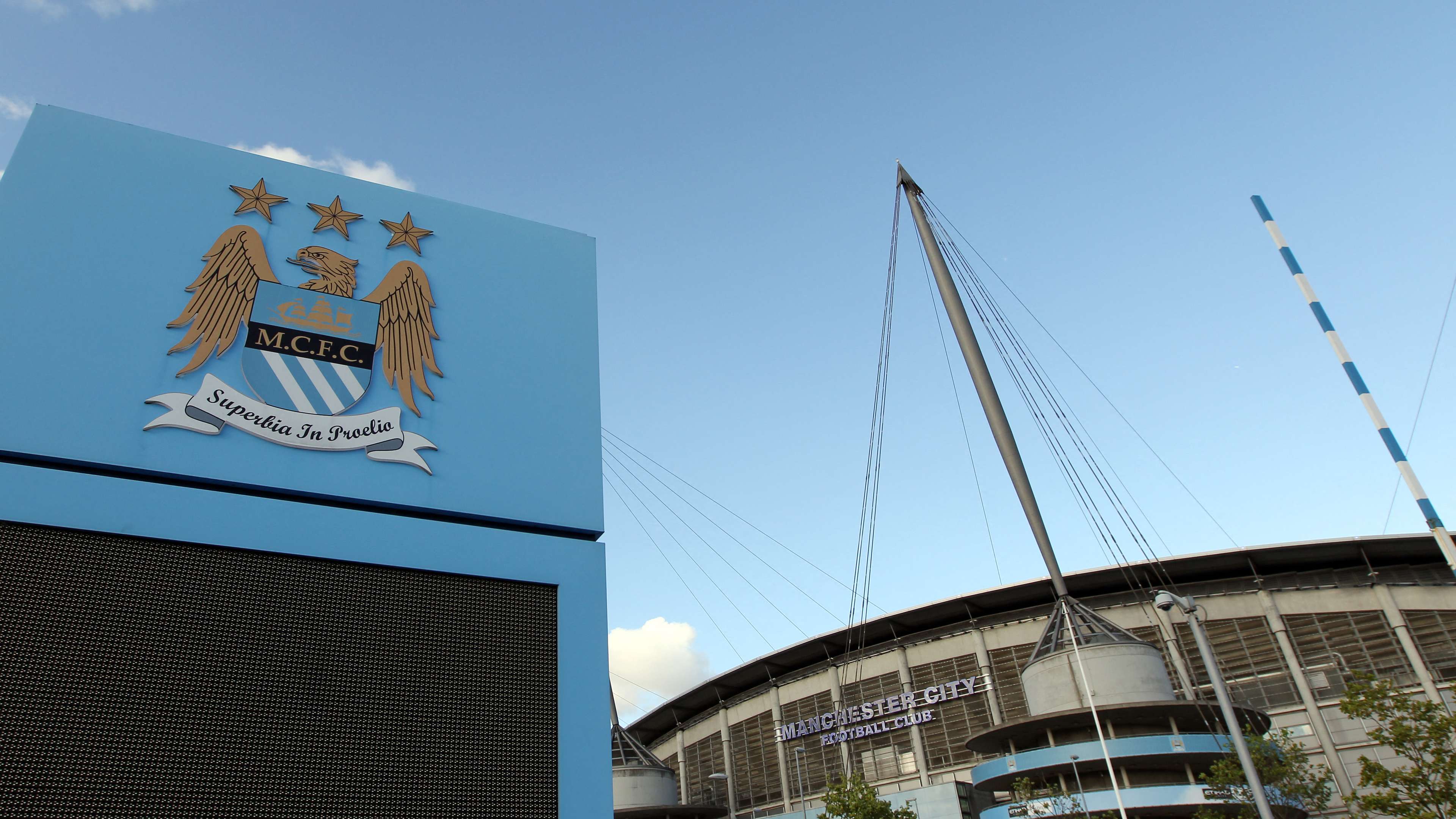

Manchester City Files Legal Appeal Against Premier League’s Financial Breach Ruling: A Closer Look at the Controversy Shaking Football
The recent announcement by the English Premier League (EPL) has sent shockwaves through the football world. Manchester City, one of the most prominent and successful clubs in the Premier League, has officially challenged the league’s decision that accused them of serious financial misconduct. This development not only highlights the ongoing tension between football clubs and governing bodies but also raises critical questions about the integrity of football regulation, the accuracy of predictions related to club performance, and the future trajectory of Manchester City as a global football powerhouse.
Background of the Case: A Long-Running Investigation Comes to a Head
For nearly a decade, Manchester City has been embroiled in an complex investigation by the Premier League concerning alleged breaches of financial regulations. The core of the controversy lies in claims that the club engaged in financial misconduct, including improper reporting of sponsorship deals, revenue manipulation, and breaches of fair play principles designed to ensure a level playing field across the league. These allegations gained momentum over the years, fueled by detailed journalistic reports, leaked documents, and internal audits, culminating in the league’s recent decisive ruling.
On Tuesday, the Premier League officially confirmed that Manchester City had been found guilty of “serious breaches” of its financial rules. The league’s chief executive, Richard Masters, described the case as “the most important in the history of the English league,” underscoring the severity of the charges and their potential implications for the sport’s integrity.
Manchester City’s Response: Disappointment and Legal Resolution
In a swift reaction, Manchester City issued a strongly worded statement expressing both surprise and disappointment at the league’s decision. The club firmly maintains its innocence, asserting that the evidence presented by the Premier League is not only incomplete but also fundamentally flawed. The statement emphasized that City has a “comprehensive body of irrefutable evidence” supporting its stance and that the charges are unfounded.
“The club is innocent of the charges brought against it by the Premier League, and there is a comprehensive body of irrefutable evidence supporting all of the club’s positions relating to this case,” the statement read. City also announced its intention to pursue all available legal and regulatory avenues to defend its reputation and interests.
The Legal Battle: A Fight to Protect Reputation and Future Football Predictions
Manchester City’s decision to appeal the ruling marks a critical phase in this ongoing saga. The club argues that the initial decision contains “fundamental legal errors,” and they are prepared to challenge it before all relevant regulatory and judicial bodies. This includes potentially taking the case to the Court of Arbitration for Sport (CAS), which is the highest authority in sports disputes, or other legal forums specializing in sports law.
City’s legal team asserts that the investigation and subsequent ruling failed to uphold principles of fairness and due process. They point out that several elements of the case are still unresolved, emphasizing that the league’s decision was premature and flawed. The club’s stance hinges on the belief that the ruling does not stand up to legal scrutiny and that future proceedings will exonerate them.
Implications for Football Prediction and Club Performance Forecasts
This legal dispute has significant implications not only for Manchester City but also for football prediction models and betting markets. The club’s reputation, performance outlook, and future prospects are now subject to uncertainty, which influences predictions made by analysts and betting companies. The outcome of this case could impact Manchester City’s valuation, sponsorship deals, and overall strategic direction.
Football prediction models often rely on a club’s historical performance, financial stability, and public perception. With the ongoing legal challenges, these models will need to adapt to potential changes in the club’s capabilities or sanctions. Moreover, if the ruling leads to sanctions such as point deductions or bans from competitions, it could drastically alter the team’s future performance forecasts—shifting the landscape of title races, relegation battles, and European qualification predictions.
The Broader Context: Football Governance, Fair Play, and Integrity
This controversy underscores the ongoing debate about governance and transparency in football. Critics argue that financial doping and regulatory loopholes threaten the sport’s integrity, while supporters contend that clubs should have the right to challenge unfair accusations. The case also highlights the importance of independent oversight in ensuring that regulations are applied fairly and consistently.
Furthermore, this dispute arrives at a time when football is experiencing rapid commercialization, with clubs increasingly reliant on sponsorship, broadcasting rights, and commercial revenues. The integrity of financial reporting is essential to maintaining trust among fans, investors, and regulatory bodies. The outcome of Manchester City’s appeal could set a precedent for how similar cases are handled in the future, influencing the regulatory landscape of football worldwide.
What’s Next? The Road Ahead for Manchester City and Football Prediction Enthusiasts
As Manchester City prepares to challenge the league’s decision, the football community eagerly awaits the next developments. The club has indicated it will utilize all available legal options to clear its name, a process that could extend over months or even years. The legal proceedings will likely involve detailed examinations of financial documents, witness testimonies, and expert analyses.
For football prediction enthusiasts, this case introduces a new layer of complexity. Uncertainty surrounding Manchester City’s future sanctions or reinstatement could influence betting odds and analytical forecasts. It also raises questions about how the club’s performance will evolve if the legal process results in sanctions, transfers, or managerial changes.
Conclusion: A Pivotal Moment in Football History
The Manchester City versus Premier League dispute is more than just a legal battle; it symbolizes the ongoing struggle to balance financial transparency, competitive fairness, and the passion that fuels football’s global popularity. The outcome will likely have lasting effects on how clubs manage their financial strategies and how governing bodies enforce regulations to maintain integrity.
As the case unfolds, fans, analysts, and stakeholders must stay vigilant. The resolution will not only determine Manchester City’s immediate future but could also redefine the standards of financial conduct and accountability within the beautiful game. For now, the football world watches with bated breath, eager to see how this landmark legal battle will shape the future of football prediction, club strategy, and league integrity.