
Maheta Molango Slams Global Football Calendar: Industry’s ‘Sick’ Demands Put Player Welfare at Risk
The world of professional football is currently embroiled in a heated debate over the congested and demanding global football calendar. At the forefront of this discourse is Maheta Molango, the chief executive of the Professional Footballers’ Association (PFA), who has issued a stark and uncompromising critique of the current state of affairs. In a recent statement, Molango described the football industry’s relentless scheduling as “sick,” highlighting the detrimental impact it has on players’ health, performance, and overall well-being.
The Growing Concerns Over a Overloaded Football Calendar
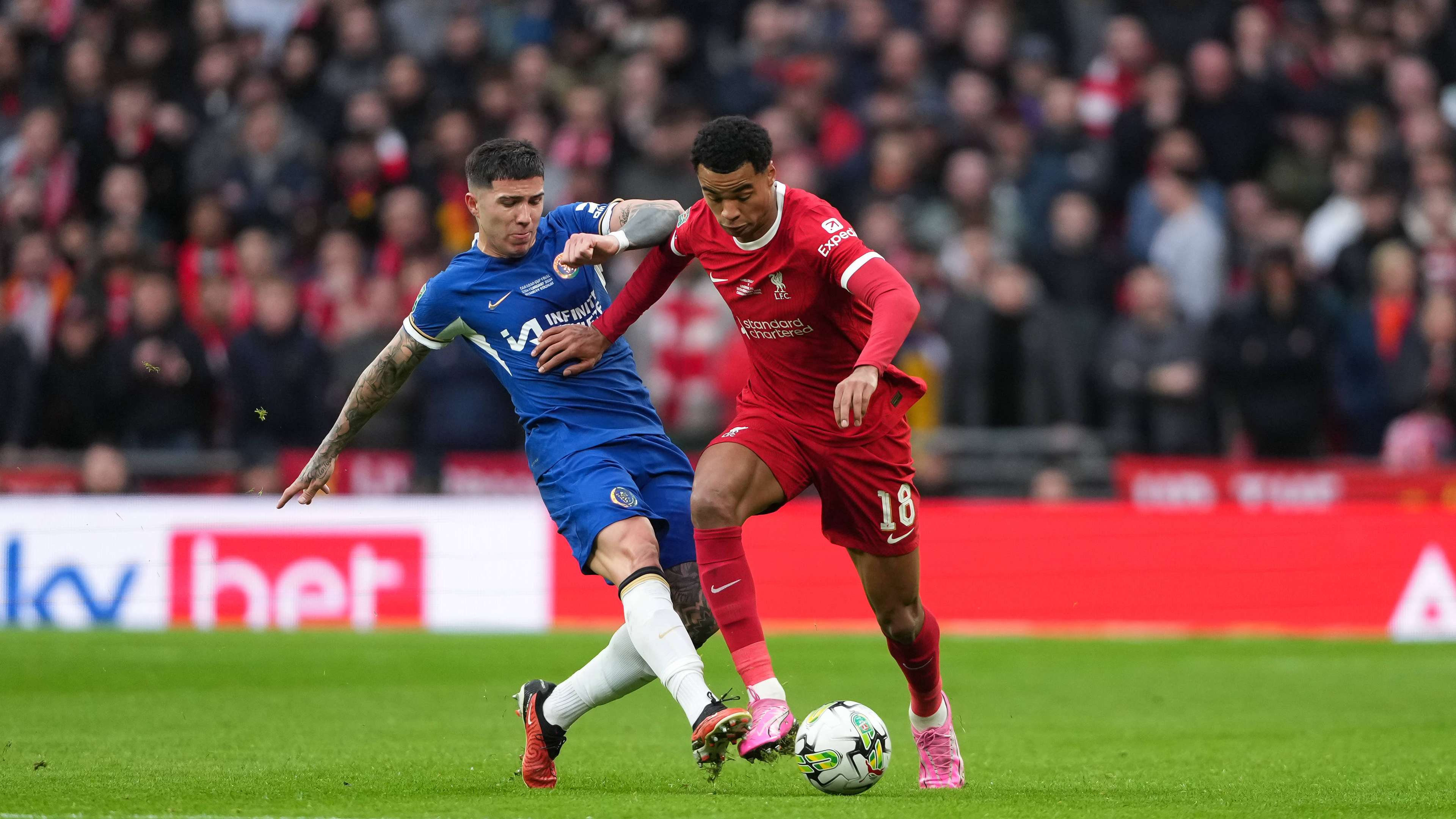
Over the past decade, the football calendar has become increasingly packed, with players often juggling multiple competitions across different continents. From domestic leagues and cups to continental tournaments such as the UEFA Champions League, and international fixtures, the demands on professional footballers are unprecedented. Critics argue that this relentless schedule leaves little room for rest, recovery, or personal development, raising serious questions about the sustainability of such a model.
While the commercial benefits of this high-octane calendar are clear—driving revenues through global broadcasting rights, sponsorships, and merchandise sales—the toll it takes on players is often overlooked. Many athletes report burnout, injuries, and mental health challenges, prompting calls for reform from players’ unions, medical experts, and advocacy groups.
Maheta Molango’s Bold Criticism and Call for Change
Addressing the issue head-on, Maheta Molango didn’t shy away from criticizing the industry’s priorities. “The demands placed on professional footballers today are nothing short of sick,” he stated during an interview. “We are sacrificing players’ health and careers for the sake of commercial growth and profit margins. That’s an unacceptable reality in modern football.”
Molango’s comments resonate with a broader movement within the sport, emphasizing the need for a more sustainable and player-centric approach to scheduling. The PFA chief’s outspoken stance underscores the urgency for governing bodies, clubs, and federations to collaborate on creating a balanced calendar that prioritizes athlete welfare alongside commercial interests.
The Case of Cole Palmer: A Reflection of Systemic Failures
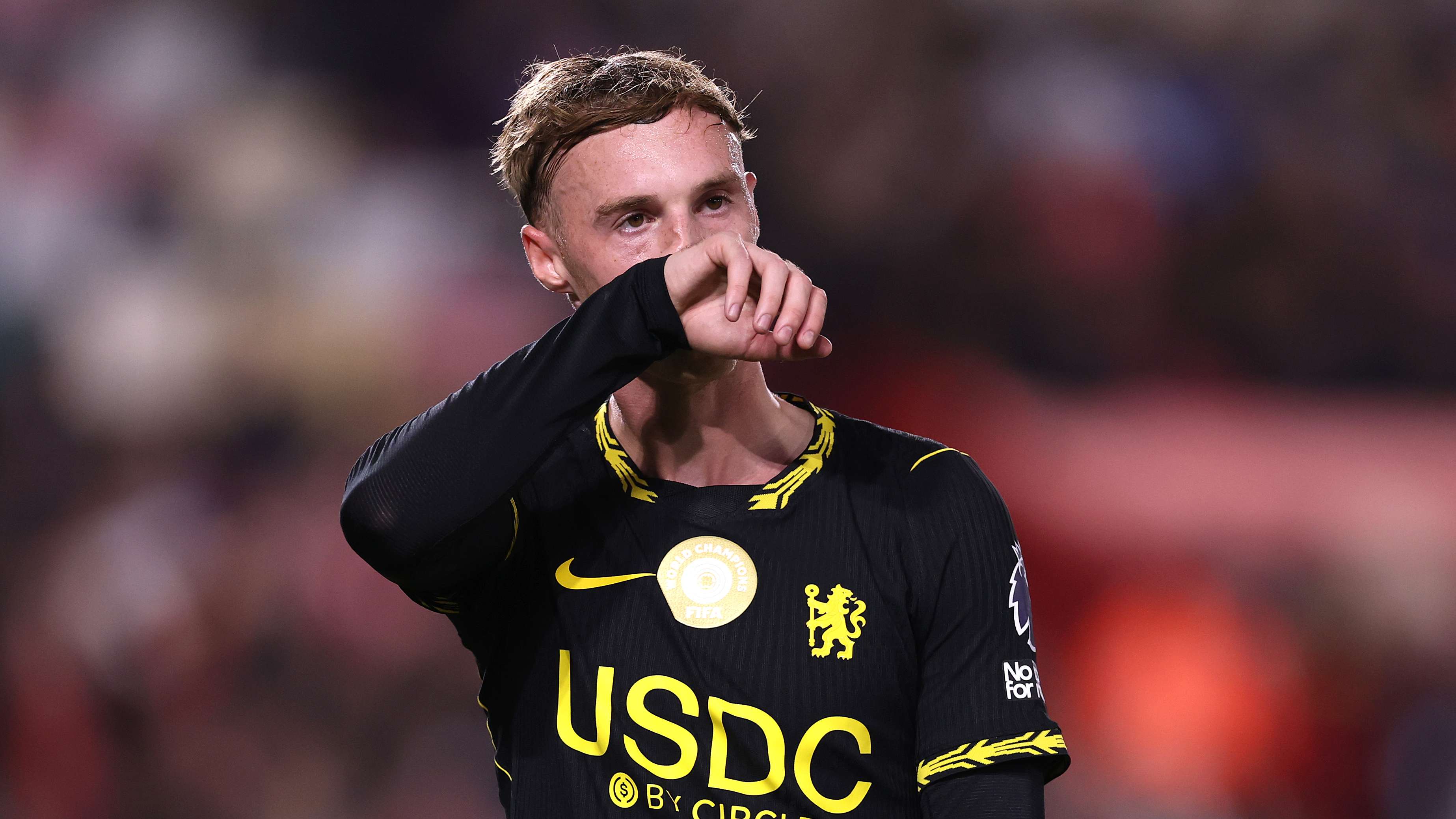
As a prime example of how the current system can fail players, Molango pointed to Chelsea’s talented young midfielder, Cole Palmer. The 21-year-old rising star has found himself caught in the crossfire of demanding schedules and high expectations. Despite his promising talent, Palmer has experienced intense pressure to perform both at the club level and on the international stage, often with little regard for his physical and mental health.
Palmer’s situation exemplifies a broader trend affecting many emerging talents in football. The pressure to succeed, coupled with a packed calendar, can lead to burnout, injuries, and stalled development. For players like Palmer, the challenge is not just about prediction—whether they will perform well in upcoming matches—but also about navigating a system that sometimes seems to prioritize commercial outcomes over long-term player sustainability.
The Impact of a Crowded Football Calendar on Player Prediction and Performance
For football enthusiasts and analysts, understanding the implications of a congested calendar is vital for accurate predictions and strategic insights. A jam-packed schedule often results in fatigue, which can significantly influence player performance during matches. Injuries become more prevalent, and the risk of burnout increases, all of which are critical factors when forecasting outcomes in football predictions.
Moreover, the mental toll on players can lead to inconsistent performances, making prediction models more complex and uncertain. Coaches and sports scientists are increasingly emphasizing the importance of player load management, injury prevention, and mental health support to improve prediction accuracy and team success.
Broader Implications for Football’s Future
The controversy surrounding the football calendar raises fundamental questions about the sport’s future direction. Should the focus remain on maximizing revenue at the expense of player health? Or is there a way to strike a better balance that ensures the longevity of players’ careers and the integrity of the game?
Several proposals have emerged, including reforming the international match calendar, reducing the number of competitions, or implementing mandatory rest periods. These changes aim to create a more sustainable environment where players can perform at their best, and fans can continue to enjoy high-quality football without the shadow of injury and exhaustion looming over the sport.
The Role of Stakeholders in Shaping a Sustainable Future
For meaningful change to occur, collaboration among all stakeholders is essential. Football governing bodies such as FIFA, UEFA, and national associations must prioritize player welfare in their scheduling decisions. Clubs and leagues need to adopt load management strategies and provide adequate recovery periods. Players’ unions, like the PFA, continue to play a crucial advocacy role, highlighting the human cost behind the spectacle of football predictions and results.
Furthermore, fans and media outlets can contribute by supporting initiatives that promote sustainable scheduling and highlighting the importance of player health. After all, the integrity and unpredictability of football predictions depend heavily on the well-being of the athletes involved.
Conclusion: A Call for Industry-Wide Reform
The recent remarks by Maheta Molango serve as a stark reminder of the urgent need for reform within professional football. As the sport continues to grow globally, balancing commercial interests with the health and longevity of players must become a core priority. Only through industry-wide efforts can football preserve its unpredictability, sustain its talent pipeline, and deliver the high-quality entertainment that fans around the world cherish.
In the end, the goal should be a football calendar that supports the athletes who are the heart and soul of the game. For fans, players, and stakeholders alike, the hope is for a future where prediction remains exciting, but not at the cost of the very players who make the beautiful game possible.