
Morocco Responds to Spanish Threat Over 2030 World Cup Final
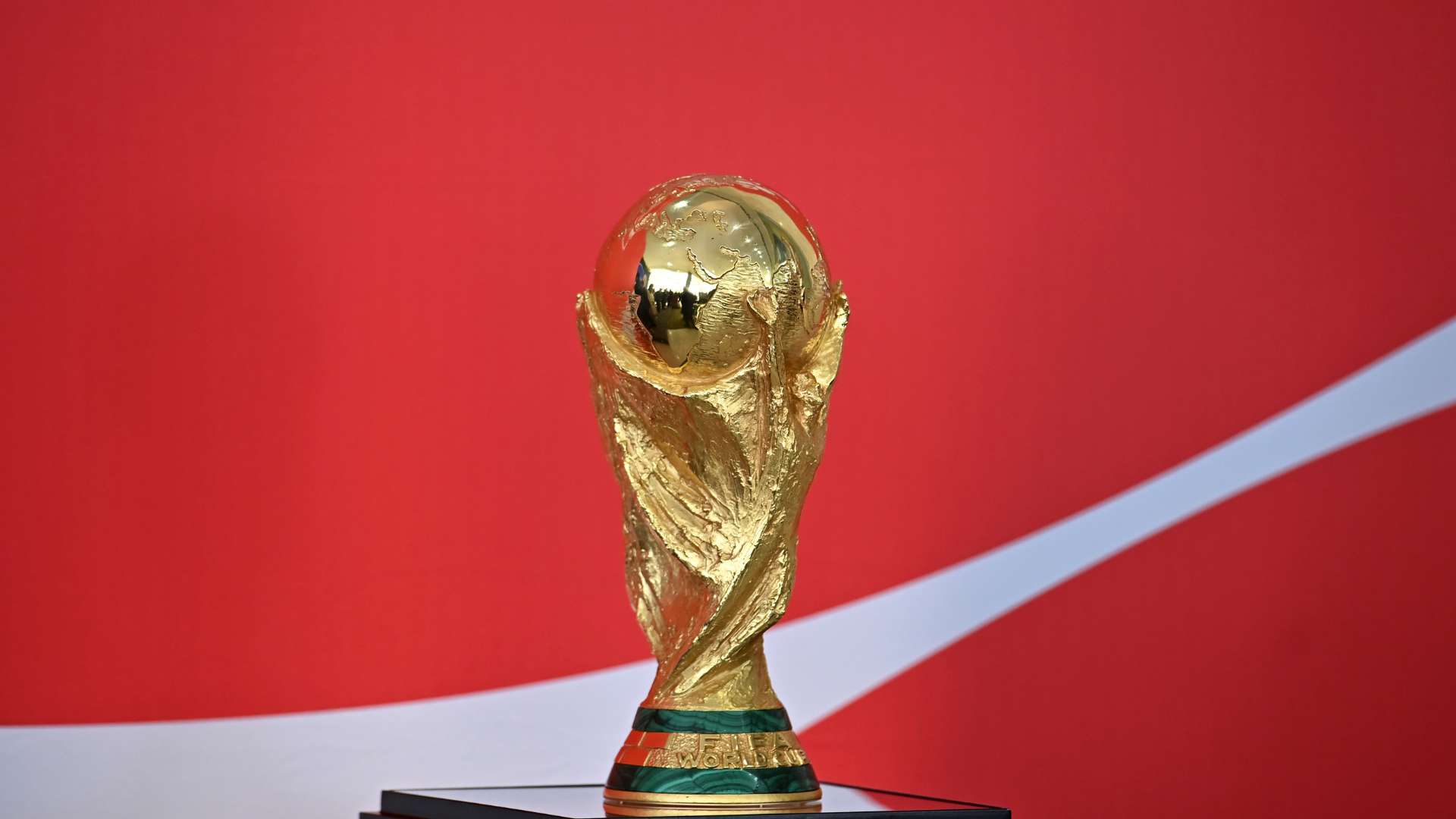
A political dispute over the 2030 FIFA World Cup final has intensified after a senior Moroccan party official rejected suggestions that Spain could withdraw from co-hosting the tournament if the decisive match is awarded to Morocco. The debate has placed football, national pride and election-year politics in the same arena, even though FIFA has yet to announce where the final will be played.
Morocco, Spain and Portugal are set to share hosting duties for the 2030 World Cup. But agreement on the tournament’s overall format has not settled one of its biggest questions: which country will stage the final? The match is expected to attract a worldwide audience and bring significant attention to its host city, making the decision both a sporting milestone and a source of political competition.
Spanish opposition leader raises possibility of withdrawal
Alberto Núñez Feijóo, leader of Spain’s People’s Party, has said he would be prepared to press for Spain to pull out of hosting the tournament if FIFA awards the final to Morocco. Feijóo has argued that Spain should be the natural choice for the showpiece, framing the issue as a question of the country’s standing and contribution to the competition.
His comments have added a political edge to a decision that will ultimately be made through FIFA’s processes. With Spain approaching general elections scheduled for 29 November, the World Cup has become part of a wider contest between political parties. That timing has prompted criticism that the tournament is being used to appeal to voters rather than discussed solely on sporting and logistical grounds.
For football supporters, the location of the final matters for practical reasons as well as prestige. Stadium capacity, transport links, accommodation, security, surrounding infrastructure and the ability to manage a global event are all likely to feature in assessments. FIFA’s evaluation will determine whether a proposed venue meets the requirements, rather than political statements alone.
Moroccan official says FIFA should decide
Ilham Belfhili, Secretary General of Morocco’s Union for Democracy party, responded by insisting that the final should be allocated according to FIFA standards and the work of its specialist committees. Speaking to Moroccan newspaper Hespress, she argued that the decision belongs to the international governing body and should not be shaped by partisan pressure.
Belfhili also accused parts of the Spanish right of repeatedly politicising relations with Morocco. She linked the current dispute to earlier tensions surrounding Ceuta and Melilla, saying that, in her view, some political actors were looking for opportunities to damage Morocco’s interests. Her remarks reflect the broader sensitivity surrounding relations between the neighbouring countries, where diplomatic issues can quickly spill into public debate.
She rejected the possibility that a Spanish withdrawal would alter Morocco’s ability to host the tournament. If FIFA selects the proposed Grand Stadium in Benslimane for the final and Spain chooses to leave the hosting arrangement, Belfhili said, that would be Spain’s decision and would not change the underlying reality of Morocco’s preparations.
Morocco highlights its hosting ambitions
Belfhili went further, saying Morocco had the resources and readiness to deliver a successful World Cup even if both Spain and Portugal withdrew. The statement is a forceful expression of confidence, although the tournament is currently planned as a joint project involving all three countries. Any change to that arrangement would raise substantial questions about organisation, infrastructure, scheduling and FIFA’s approval.
Morocco has spent years building its case as a major host for international football. A successful World Cup would require more than a headline venue: it would depend on coordinated transport, reliable accommodation, modern training facilities, public services and close cooperation between cities and national authorities. The proposed Grand Stadium in Benslimane is central to Morocco’s ambitions, but FIFA’s final assessment will need to consider the complete event plan, not just the stadium itself.
The country’s supporters see the 2030 tournament as an opportunity to showcase Moroccan football, tourism and infrastructure to a global audience. Hosting the final would carry additional symbolic weight, potentially placing Morocco at the centre of one of the world’s most-watched sporting events. At the same time, the scale of the challenge means that confidence must be matched by detailed planning and delivery.
Call to keep football separate from politics
Belfhili said she opposed mixing sport with political campaigning, describing football as a universal message that can bring people closer together. She characterised the use of World Cup promises in domestic political arguments as an electoral manoeuvre that should not concern Morocco’s position.
Her comments point to a familiar tension in international sport. Major tournaments can encourage cooperation across borders, but hosting rights also carry economic, cultural and political value. That combination makes them especially attractive subjects for politicians seeking to demonstrate national influence or defend a claim to prestige.
The dispute does not yet amount to a formal change in the three-country hosting plan. Nor does it settle the question of the final. FIFA’s eventual decision is expected to depend on its assessment of the candidate venues and the practical requirements of staging the match. Until that process is complete, public claims about who “should” host the final remain political positions rather than confirmed outcomes.
What the final decision could mean
For fans, the current controversy offers no reliable prediction about the final’s location. Spain has put forward a strong public claim, while Morocco is signalling that it is prepared to compete for the honour and will respect FIFA’s decision. Portugal’s role as a co-host also remains part of the wider arrangement, even as attention focuses on the rivalry between Madrid and Rabat.
The 2030 World Cup will mark a centenary edition of the tournament, giving the event added historical significance. That milestone may increase the importance of choosing a final venue capable of delivering a memorable occasion while meeting demanding operational standards. The eventual host will need to demonstrate not only ambition, but also the facilities and coordination required to welcome teams, officials and supporters from around the world.
For now, the central message from Morocco is clear: the country considers itself an institution-led host and says it will accept the decision made by FIFA. Whether the final is staged in Morocco, Spain or elsewhere among the co-hosts, the outcome will be determined through the governing body’s process. Until then, the contest over the 2030 World Cup final is likely to remain a prominent story where football and politics continue to collide.