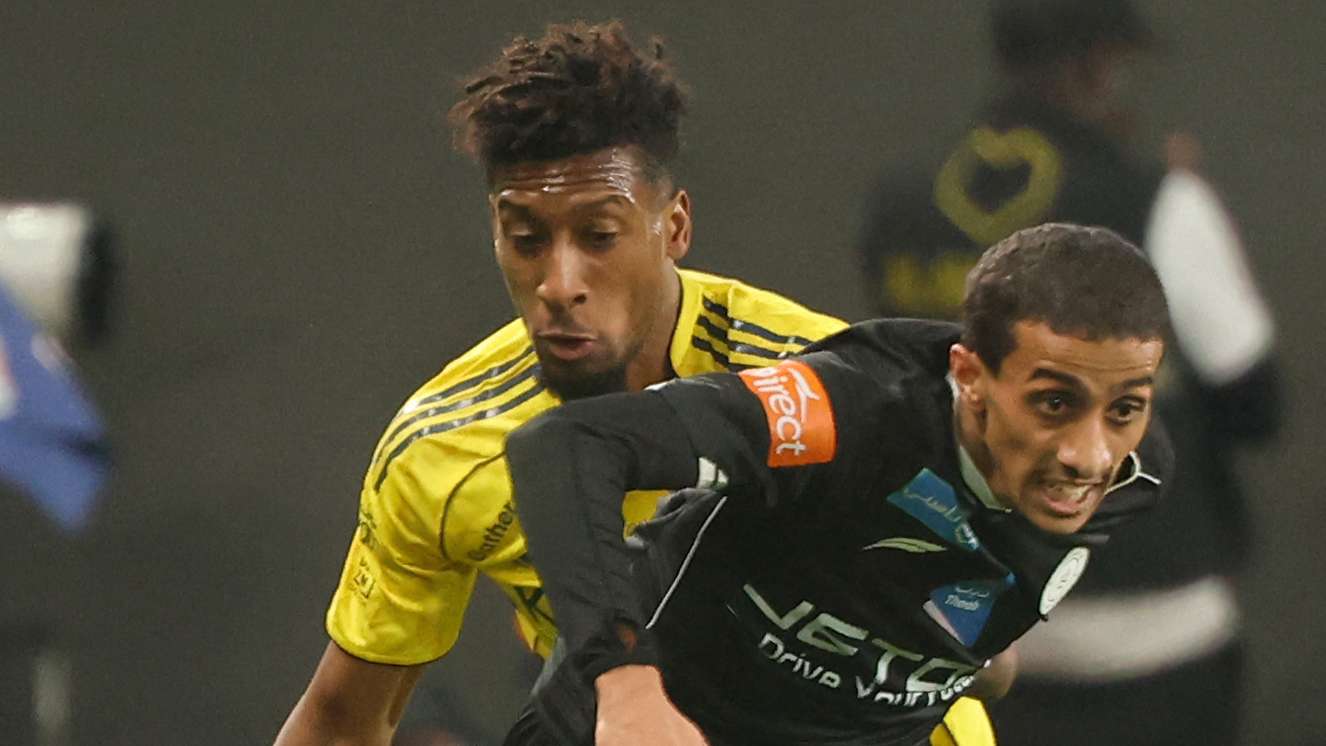

Real Betis’ Transfer Dilemma: Behind-the-Scenes of the Abdessamad Ezzalzouli Offer and the Prediction for Future Moves
As the summer transfer window drew to a close, football clubs around Europe were locked in a high-stakes battle to reinforce their squads and maximize financial gains. One of the most intriguing stories emerged from La Liga’s Betis, where club president Ángel Haro revealed the behind-the-scenes details of a major transfer offer for Moroccan winger Abdessamad Ezzalzouli. The decision not only highlights the club’s strategic approach but also sets the stage for predictions about future transfer trends and their implications for both Betis and their competitors.
Inside the Final Hours: The Transfer Offer That Could Have Changed Everything
In a candid press conference reviewing Betis’ transfer window activities, Ángel Haro disclosed how, during the critical final hours, the club received what he described as a significant bid for Ezzalzouli. The offer, according to sources close to the club, was substantial—an amount that could have brought a hefty financial windfall, especially considering Barcelona’s ongoing stake in the player’s economic rights.
Haro explained that the bid was close to Ezzalzouli’s €60 million release clause, a figure many clubs consider a benchmark for high-value transfers within the Spanish league. However, Betis’s board felt the offer did not meet their valuation of the player, prompting them to reject the deal and retain their promising winger for the season ahead.
“The offer was significant but not enough,” Haro stated. “We believed that on the final day, we should demand an amount close to the release clause. Since the bid fell short, we decided to keep Abdessamad with us, especially as we are competing in the Champions League this season.”
Financial Context and Strategic Decisions
Haro’s comments shed light on the broader financial considerations influencing Betis’s transfer strategy. The club emphasized that they needed a major sale to balance their books. With operating expenses including player wages and other commitments, Betis acknowledged that they must carefully manage their squad and finances to sustain competitiveness.
“Our operating expenses, especially related to wages, are substantial, and our ordinary revenues are insufficient to cover these costs if we aim to maintain a competitive squad,” Haro explained. “We were open to a big sale during the transfer window, but when players do not want to leave and their contracts must be respected, our options become limited.”
This transparency offers fans and analysts a rare glimpse into the financial pressures faced by mid-tier clubs like Betis. It underscores the delicate balance between investing in talent, meeting financial commitments, and aiming for success in domestic and European competitions.
The Prediction: What Does Keeping Ezzalzouli Mean for Betis and Barcelona?
The decision to retain Abdessamad Ezzalzouli has significant implications for the club’s trajectory this season. The Moroccan winger, aged 24, has established himself as one of Betis’ standout performers, with his agility, vision, and goal-scoring ability enhancing their attacking options.
From a strategic perspective, the prediction is that maintaining Ezzalzouli could prove beneficial for Betis. If he continues his current form, the club’s decision to keep him may pay dividends, both on the pitch and financially through potential future transfers. Conversely, if his performance dips or he suffers injuries, the club might face regret for missing out on a lucrative sale.
For Barcelona, the missed opportunity to cash in on a player they partly own is a noteworthy point. With around 20% of Ezzalzouli’s economic rights held by the Catalan giants, the failed transfer means they will not receive the expected financial windfall—which could have been reinvested in their squad or used to offset other transfer expenses.
Who Was Behind the Deadline-Day Offer?
Although Haro did not explicitly name the club behind the bid, earlier reports linked the offer to Everton, hinting at Premier League interest. This speculation aligns with Everton’s recent transfer activities, which have focused on strengthening their squad with young, talented players like Ezzalzouli.
The prediction here suggests that the transfer market continues to evolve with increased interest from Premier League clubs in La Liga’s emerging talents. Such movements could signal a trend where clubs like Everton, and others in England, are increasingly targeting Spanish league players for their blend of skill and potential resale value.
Implications for Future Transfer Predictions
The Betis case sets a precedent for how clubs might approach deadline-day negotiations in the future. The decision to hold onto Ezzalzouli, despite the tempting financial offer, suggests that clubs will increasingly prioritize squad stability and player loyalty, especially in seasons with high-stakes competitions like the Champions League.
From a broader perspective, this scenario also emphasizes the importance of accurate transfer predictions. As clubs evaluate their options, understanding the market value of key players and assessing the likelihood of offers meeting valuation benchmarks will be crucial. The prediction models used by analysts will need to incorporate factors such as player performance metrics, contract status, and club financial health to forecast transfer outcomes accurately.
Conclusion: A Season of Strategic Decisions and Future Predictions
The story of Abdessamad Ezzalzouli’s transfer saga offers a compelling glimpse into the complex world of football transfers, where financial considerations, player aspirations, and strategic planning intersect. Betis’s decision to reject a significant bid and retain their talented winger underscores their commitment to building a competitive squad capable of challenging on multiple fronts.
Looking ahead, the prediction is that such strategic decisions will become more commonplace, especially as clubs become increasingly data-driven and market-savvy. For fans and industry observers, the key takeaway is that every transfer window is a dynamic puzzle—one that requires careful analysis, accurate prediction, and sometimes, the courage to say no.
As the season unfolds, all eyes will be on Betis and Abdessamad Ezzalzouli to see if their mutual decision will prove to be a masterstroke or a missed opportunity. Regardless, this transfer window’s outcome will likely influence future prediction models and strategic approaches across European football.