
Walter Sabatini backs Luciano Spalletti to revive Juventus amid difficult spell
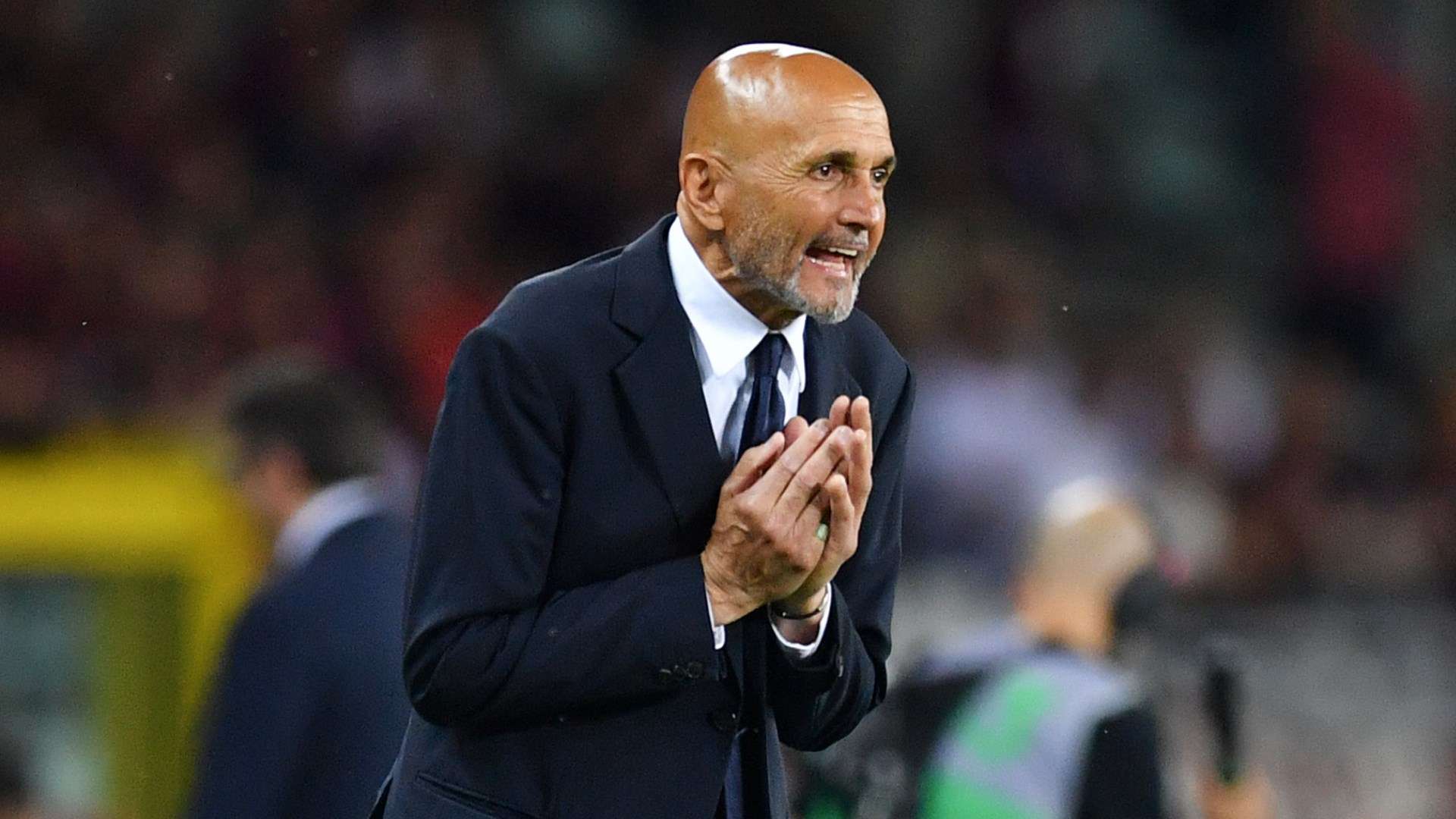
Former sporting director Walter Sabatini believes Luciano Spalletti has the experience and character to guide Juventus through their current troubles, even if the rebuilding process proves difficult. Speaking to Tuttosport, the veteran Italian football figure defended the coach’s methods while suggesting that a simpler, more flexible approach may help the team rediscover its confidence.
Juventus’ struggles have placed pressure on a club accustomed to competing for major honours. For Sabatini, however, the answer is not necessarily to abandon Spalletti or the broader project. He argues that the coach’s strengths—discipline, ambition and close attention to detail—could still help restore direction, provided the demands placed on players are adjusted to match the team’s present condition.
Sabatini’s advice: simplify the task and restore confidence
Sabatini described Spalletti as a perfectionist who has consistently built his work around discipline, mentality and the determination to improve. Those qualities have helped define the coach throughout his career, but Sabatini believes the current Juventus squad may not yet be able to meet the high technical and tactical standards Spalletti expects.
“I hope he loosens the reins and eases his demands on his players a little,” Sabatini said, reflecting on the challenge facing the Turin side. His point was not that Juventus should stop striving for excellence. Rather, he suggested that the team may need to focus on achievable improvements before attempting to execute a complicated or highly demanding game plan.
When results are poor, players can become hesitant, overthink decisions and lose trust in their instincts. In that environment, asking for technical perfection at every moment may make the game feel even more difficult. Sabatini’s recommendation is to reduce the pressure, concentrate on the essentials and give players room to respond naturally on the pitch.
Why a simpler approach could matter
For a team trying to recover its rhythm, simplicity can be a practical tool rather than a retreat from ambition. Clearer instructions may help Juventus move the ball with greater purpose, defend as a more connected unit and make quicker decisions in key moments. Small improvements in organisation and confidence can create a foundation for more sophisticated football later.
That does not mean Spalletti should discard his principles. His emphasis on preparation and discipline remains central to the job. Sabatini’s message is instead about timing: a coach may need to adapt how he communicates and what he asks of his players when performances are falling short. A more forgiving environment could help the squad regain belief, while still preserving the standards expected at Juventus.
A personal defence of Spalletti and Massara
Sabatini’s comments also carried a personal note. He said he had worked alongside both Spalletti and sporting director Frederic Massara, and that he cares about them. Their connection, he explained, makes it difficult for him to accept the idea that either might be suffering amid the pressure surrounding Juventus.
That perspective helps explain the strength of his support. Sabatini is not simply offering a detached assessment of a coaching appointment; he is defending colleagues whose work he knows firsthand. His comments suggest that he sees the present situation as a serious but manageable challenge, rather than proof that the club’s leadership has lost the ability to build a successful team.
He also issued a pointed warning against a sudden break with the club’s current direction. In Sabatini’s view, dismissing Spalletti and Massara would risk damaging more than the careers of two individuals. He argued that removing them could “burn the very idea of Juventus”—a forceful way of saying that decisions made in a moment of frustration might undermine the club’s broader identity and plans.
What Juventus need from the next phase
Juventus’ immediate task is to turn potential into consistent performances. That requires more than a tactical adjustment: players need confidence, a clear understanding of their roles and a shared response when matches become difficult. Spalletti must balance his instinct for detail with an awareness of what the squad can deliver right now.
One possible route is to prioritise the basics: compact defending, reliable transitions, purposeful movement and fewer avoidable errors. These elements can give a team a more stable platform, particularly when pressure is high. Once that stability returns, the coach can gradually reintroduce greater complexity and demand more from the group.
There is also a leadership challenge. At a club with Juventus’ history, every poor result attracts intense scrutiny, and the expectation to compete is constant. Spalletti must protect the team from becoming consumed by outside noise while remaining accountable for performances. Sabatini’s call for greater tolerance appears aimed at both sides: the coach should be patient with his players, and the club should avoid treating every setback as a reason to start again.
Prediction: patience could be decisive
Any prediction about Juventus’ recovery depends on whether the club can create a calmer, more coherent environment. Sabatini’s comments point towards patience rather than a dramatic reset. If Spalletti can simplify his instructions, restore trust and reconnect the squad with its strengths, Juventus may have a better chance of building momentum. If the pressure continues to rise, however, even experienced leaders could find it harder to make progress.
The coming period will therefore test both the coach’s adaptability and the club’s willingness to stay committed to a plan. Spalletti’s reputation is built on demanding standards, but effective management also means knowing when to reduce the burden and let players play with freedom. Juventus do not need to abandon ambition; they may need to take a more measured route back to it.
Sabatini’s central message is clear: he believes Spalletti can help fix Juventus, even if the journey involves difficult confrontations and uncomfortable decisions. The challenge is to make those battles productive—to simplify the work, rebuild confidence and focus on the essentials. For a club seeking a way out of crisis, that balance between high standards and practical patience could prove crucial.