
Pedri and Vitinha Expect Midfield Battle to Shape Barcelona–PSG Champions League Clash
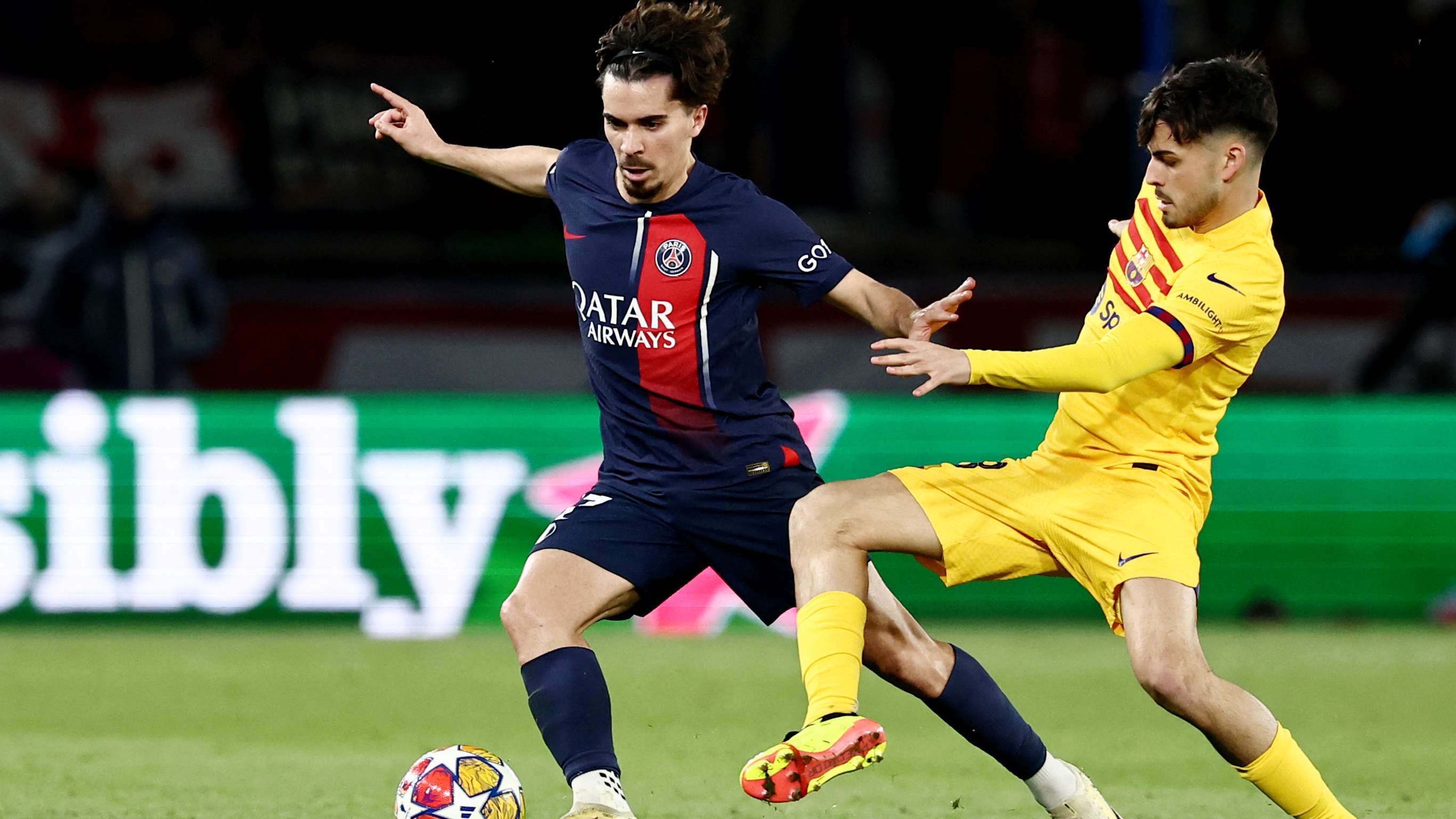
Barcelona midfielder Pedri and Paris Saint-Germain playmaker Vitinha have forecast a fiercely contested battle for possession when the European heavyweights meet in Tuesday’s Champions League showdown. With both teams built around technical players and an appetite for controlling the ball, the midfield contest could prove decisive at the Parc des Princes.
The fixture brings together two sides that often look to dictate the rhythm of a match rather than simply react to their opponents. Barcelona traditionally use patient passing and movement to build attacks, while PSG can combine quick circulation with direct bursts through the middle. That contrast makes control of central areas a key talking point ahead of kick-off—and an important factor for anyone considering a football prediction for the encounter.
Why Possession Could Decide the Match
Keeping the ball is not just about completing passes. In a high-level Champions League match, possession can help a team manage the tempo, draw opponents out of position and create space for attackers. It can also serve as a defensive tool: the longer a side holds the ball, the less time its opponent has to launch dangerous attacks.
For Barcelona, establishing control could allow Pedri and his teammates to build through the middle, connect with the forwards and force PSG to defend for extended periods. The Spanish midfielder’s close control, awareness and ability to find passing lanes make him central to that plan. If he can receive the ball under pressure and move it quickly, Barcelona may be able to escape PSG’s press and advance into threatening areas.
PSG, however, will be eager to disrupt that rhythm. Vitinha’s role is particularly important because he can help his team retain possession while also moving attacks forward. His movement and passing range offer PSG a way to link defence with attack, and his work without the ball can help close down Barcelona’s preferred routes through midfield.
Pedri’s Influence in Barcelona’s Midfield
Pedri’s impact is often most visible in the moments between phases of play. He can provide a short option for defenders, turn away from pressure and help Barcelona transition from cautious build-up to purposeful attack. Against a team capable of pressing aggressively, those qualities could be vital.
Barcelona will need more than individual skill to dominate, though. Their midfielders must offer one another passing options, move intelligently and avoid being isolated when PSG close in. Quick combinations and well-timed changes of direction could help the visitors bypass pressure. If Barcelona become predictable or take too long on the ball, PSG may be able to force turnovers in dangerous positions.
Pedri’s ability to control the tempo may also influence how Barcelona respond to different phases of the game. If they take the lead, measured possession could help them limit PSG’s opportunities. If they fall behind, faster circulation and more forward passes may be needed to increase pressure and create openings.
Vitinha’s Role in PSG’s Plan
Vitinha offers PSG a blend of composure and forward intent. He can help the hosts keep the ball moving, but his contribution is not limited to safe passes. By finding teammates between the lines or switching play to the flanks, he can help PSG stretch Barcelona’s defensive shape and create room for their attacking players.
His awareness will be especially important if Barcelona press high. PSG must be able to play through that pressure without giving away possession close to their own goal. A calm first touch, accurate passing and support from nearby teammates could allow Vitinha to turn defensive situations into attacking opportunities.
PSG may also look for moments when Barcelona’s midfield is caught advancing. Winning the ball and moving forward quickly could be an effective alternative to sustained possession. That possibility means the contest is unlikely to be decided solely by which team records the higher share of the ball. The quality, location and purpose of each possession will matter just as much.
Pressing, Transitions and the Battle for Space
Both teams are likely to look for ways to disrupt the other’s preferred style. Barcelona could press PSG’s midfielders in an effort to force rushed decisions, while PSG may try to crowd Pedri and cut off his passing options. The side that handles pressure more effectively could gain an advantage even without dominating possession for long stretches.
Transitions may be another decisive feature of the match. When a team loses the ball, its players must react quickly to prevent a counterattack. A poorly organised response could expose defenders and give the opposition a direct route toward goal. Conversely, winning possession in midfield can create an immediate opportunity before the opposing defence has time to reset.
The wide areas may influence the central battle, too. If either side can use its full-backs and wingers to stretch the pitch, gaps could open between the opposition’s midfield and defence. That would give players such as Pedri and Vitinha more room to receive the ball and choose their next pass.
What the Matchup Means for a Football Prediction
For supporters weighing up a football prediction, the midfield duel provides a useful framework—but it is not a guarantee of the final result. Barcelona’s passing control could help them dictate the game, while PSG’s ability to press, recover the ball and attack quickly may prove equally influential. The team that wins the central contest may enjoy more opportunities, but finishing, defensive concentration and individual moments of quality will also matter.
Several details could shape the outcome: whether Barcelona can play through PSG’s pressure, how effectively Vitinha helps the hosts progress the ball, and which team responds better after losing possession. Set pieces and substitutions could become increasingly important if the match remains close, particularly as fatigue affects pressing intensity and decision-making.
A High-Stakes Test of Midfield Control
Pedri and Vitinha’s comments underline the importance both sides place on the middle of the pitch. Their duel is not simply a contest between two gifted playmakers; it reflects a wider tactical struggle between Barcelona’s structured possession and PSG’s blend of control and acceleration.
At the Parc des Princes, the team that manages space, pressure and possession most intelligently could gain a significant edge in this Champions League meeting. If both midfielders find their rhythm, the match may develop into an absorbing exchange of passing, pressing and rapid transitions—exactly the kind of tactical contest that makes elite European football so compelling.