
Ivan Toney’s Touchline Frustration Highlights Al-Ahli’s Attacking Problems
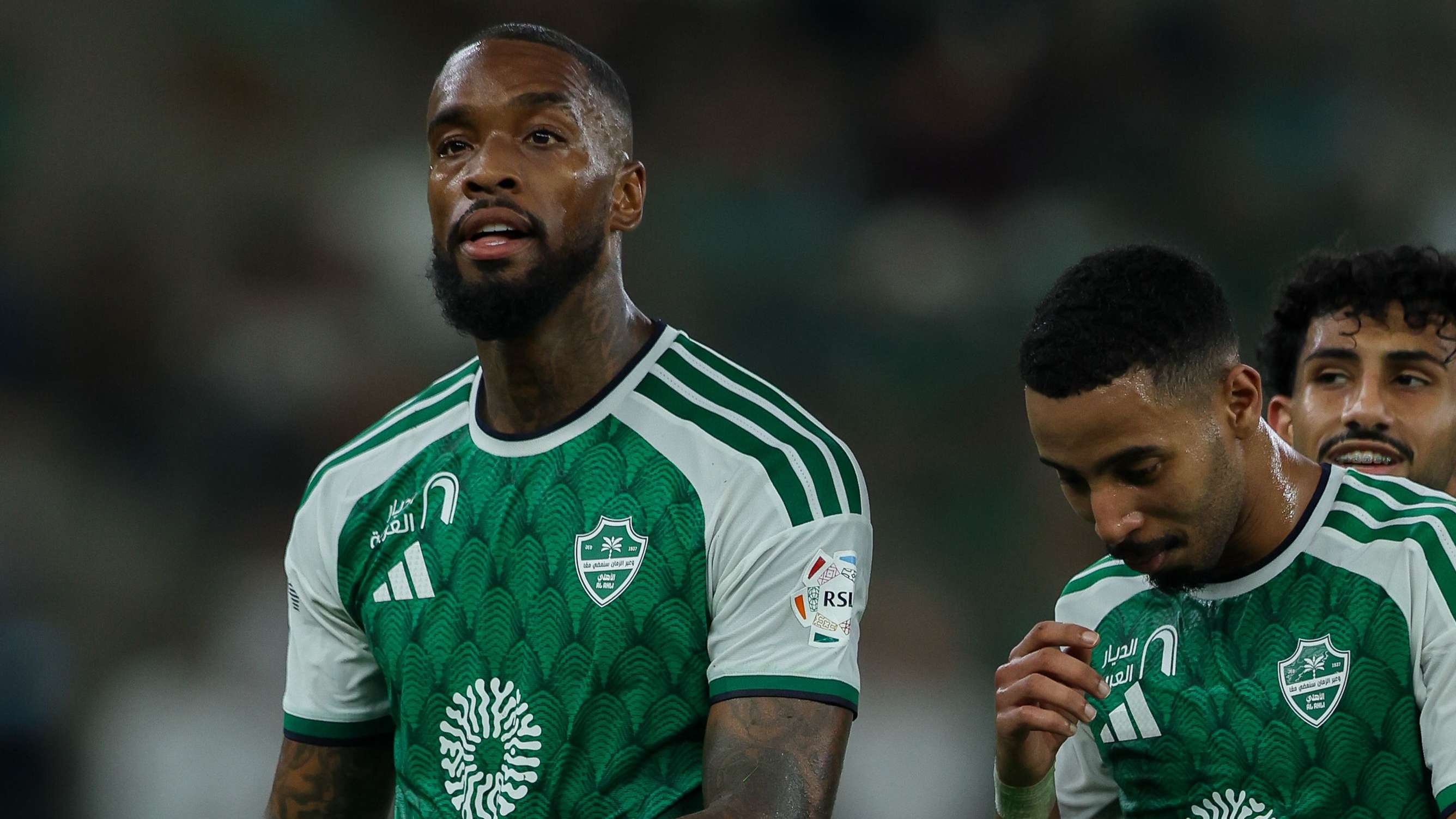
Al-Ahli’s goalless draw against Qatar’s Al-Sadd in the fourth round of the AFC Champions League Elite ended with more than dropped points to discuss. A tense exchange between English striker Ivan Toney and Ukrainian teammate Artem Bondarenko became one of the match’s most striking moments, offering a glimpse of the pressure building inside Al-Ahli’s attack.
Footage recorded from the stands showed Toney reacting angrily during a passage of play. The striker appeared to want a quick throw-in, urging Bondarenko to make a forward run into space behind Al-Sadd’s defence. When the Ukrainian midfielder did not move as Toney expected, the forward shouted toward him and gestured in frustration. Bondarenko looked taken aback by the reaction.
The brief confrontation did not develop into a prolonged dispute, but it stood out in a match where Al-Ahli struggled to turn possession and pressure into a decisive goal. For supporters, the moment captured the impatience of a team that had opportunities to make its dominance count but ultimately had to settle for a point.
A Flashpoint in a Frustrating AFC Champions League Draw
Al-Ahli entered the fourth-round fixture seeking a result that would strengthen its position in the AFC Champions League Elite. Instead, the Saudi side left the pitch with a 0-0 draw against Al-Sadd. Although a clean sheet offered some defensive encouragement, the lack of goals made the result feel like a missed opportunity.
In a tightly contested match, small details can determine whether an attack becomes dangerous. A quick throw-in, a well-timed run or a sharp pass may catch a defence before it is organized. Toney’s reaction appeared to reflect his belief that Bondarenko’s movement could have created a route forward. However, the available footage shows only one specific exchange; it does not establish that the striker’s anger was connected to Bondarenko’s overall performances or any wider disagreement between the teammates.
That distinction matters. Competitive football often produces visible frustration, especially when players read the same situation differently. A striker may expect a teammate to attack space immediately, while the player on the ball may judge that another option is safer or more effective. The exchange was evidence of tension in that moment, not proof of a lasting rift.
Why the Incident Has Drawn Attention
The clip has attracted interest because it came against the backdrop of Al-Ahli’s difficulty finding a breakthrough. Toney is an experienced centre-forward whose role depends on service, movement and quick decisions from those around him. When the team cannot convert its attacking spells into goals, frustration can surface in visible ways.
Bondarenko, meanwhile, has faced questions from some Al-Ahli supporters about his recent form and the contribution expected of him since joining the club. His performances have become a talking point as the side looks for greater consistency in attack. Still, criticism from fans and the striker’s reaction to one passage of play should not be treated as the same issue. There is no clear evidence that Toney’s outburst was a judgment on Bondarenko’s broader form.
For Al-Ahli, the more important question is how the team can improve its attacking coordination. A forward’s run is useful only if the player in possession recognizes it, and a quick restart works only when teammates anticipate the next phase. Better communication and sharper timing could help the side turn promising situations into clear chances.
Al-Ahli’s Challenge: Turning Pressure Into Goals
A goalless draw can point to more than poor finishing. It may also expose problems with the speed of the build-up, the quality of the final pass or the way attackers coordinate their movement. Against an organized opponent such as Al-Sadd, Al-Ahli needed to be precise in the final third and decisive when openings appeared. The scoreline suggests that the team did not find the final action required to break through.
Toney’s visible frustration may therefore be understood as part of a wider competitive picture: a forward eager to exploit space, a teammate making a different choice and a team unable to turn its attacking effort into a win. But interpreting the scene too broadly would be premature. One exchange cannot explain the entire performance, and it does not reveal what the players discussed afterward.
The incident also underlines the demands placed on teams competing across domestic and continental campaigns. Al-Ahli must manage expectations, maintain cohesion and produce results while facing opponents with different tactical approaches. In that environment, emotional reactions are not unusual, but the response afterward matters. Strong teams use frustration to identify problems and improve their execution rather than allow a single moment to define their relationships.
What Comes Next for Toney and Bondarenko?
Attention will now turn to Al-Ahli’s next fixtures and whether the team can respond with a more productive performance in front of goal. Toney remains a key figure in the attack, while Bondarenko will be under scrutiny as he looks to deliver the consistency supporters want. Their on-field understanding could become especially important if Al-Ahli is to create more chances and make better use of transitions.
Any prediction about a lasting fallout between the pair would be speculative. The footage shows a heated reaction to a specific tactical moment, but no confirmed details indicate a deeper conflict. The most useful takeaway is that Al-Ahli’s players appear to be demanding more from one another at a time when results and attacking output are under pressure.
For fans following the AFC Champions League Elite, the draw leaves Al-Ahli with a clear task: convert control into goals. The Toney-Bondarenko exchange may dominate discussion for now, but the team’s progress will ultimately be judged by its performances, its ability to create chances and the points it collects in the matches ahead.